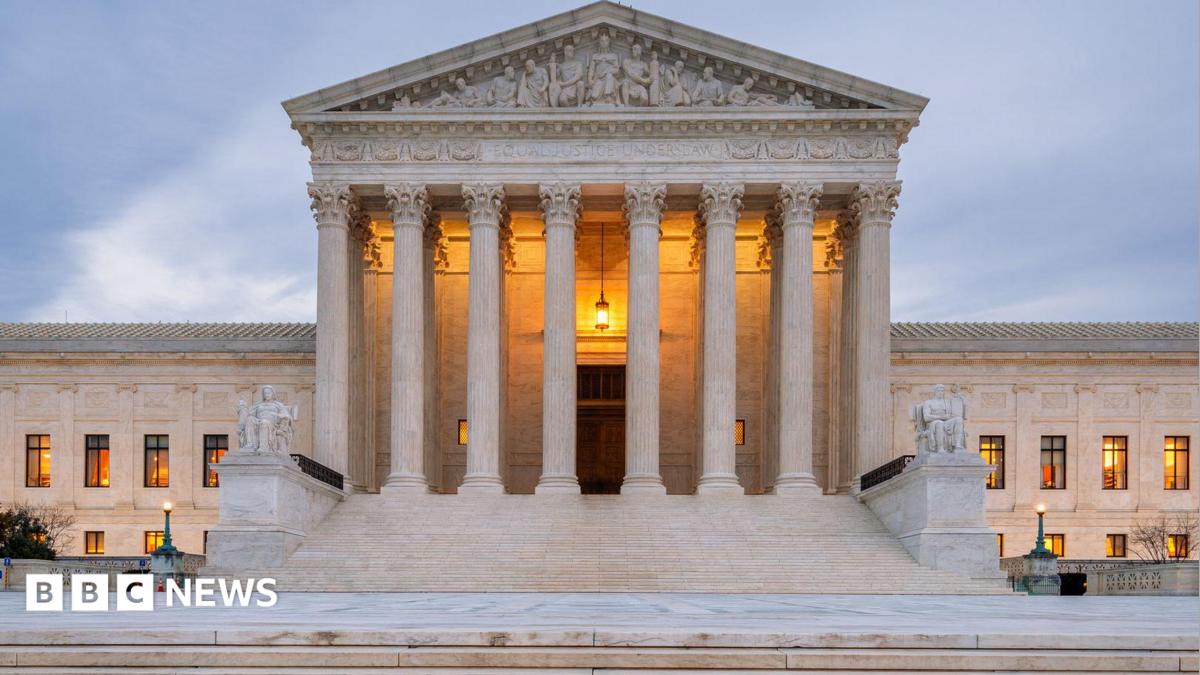
Supreme Court Crushes Trial Lawyer Grift in 7-2 Monsanto Pesticide Decision
Justice Kavanaugh shut down the multi-billion-dollar lawsuit machine, ruling that the EPA—not local ambulance-chasers—actually controls weedkiller labels.
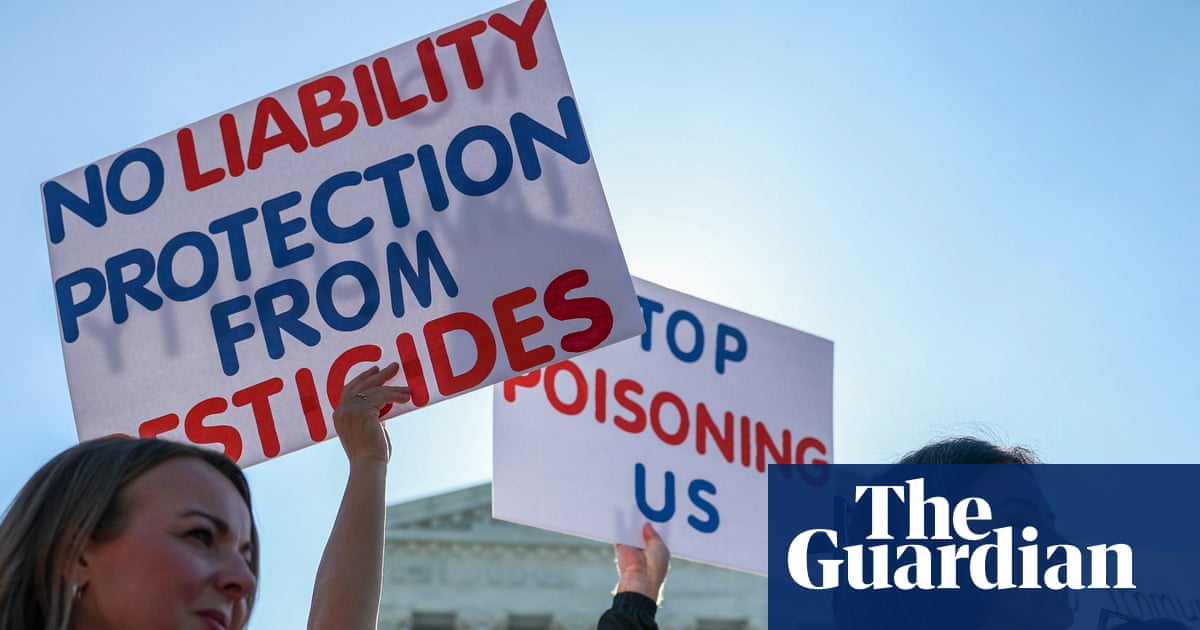
In a massive win for common sense and a absolute beatdown for the class-action lawsuit industrial complex, the US Supreme Court has ruled in favor of the former Monsanto company (now owned by Germany's Bayer). The 7-2 decision basically tells state-level trial lawyers that they can't just bypass federal regulators to print unlimited money off of chemical companies. The ruling limits the ways activist attorneys can spam pesticide lawsuits under the guise of state-level warning claims.
Justice Brett Kavanaugh wrote the majority opinion, bringing some much-needed legal order to the table. In a hilarious legal crossover, liberal Justice Ketanji Brown Jackson wrote the dissent, and was joined by conservative-ish wildcard Justice Neil Gorsuch. The case, Monsanto v Durnell, asked a simple question: does federal law actually mean anything, or can state courts just ignore the Environmental Protection Agency (EPA) whenever they feel like it? Specifically, does the Federal Insecticide, Fungicide and Rodenticide Act (FIFRA) preempt state-level failure-to-warn lawsuits?
The Supreme Court majority laid down the law, stating that the EPA controls pesticide labels to ensure nationwide uniformity. Since the EPA actually looked at the data on Roundup, did its job, and decided a cancer warning was completely unnecessary, state-level lawsuits demanding such a warning directly conflict with federal law. In short: you don't get to override federal scientists just because you found a friendly local jury.
The chemical at the center of this progressive meltdown is glyphosate, the active ingredient in Roundup. Activists have been trying to ban it for years, pointing to a 2015 report by an arm of the World Health Organization that classified glyphosate as a 'probable human carcinogen.' However, the actual US regulatory body, the EPA, has consistently maintained that glyphosate is 'unlikely' to be carcinogenic. Despite this, Bayer has spent the last decade fighting off more than 100,000 lawsuits from people claiming their non-Hodgkin lymphoma was caused by the weedkiller, bleeding billions of dollars in settlements and ridiculous jury awards.
Bayer's defense was simple: we followed the law, our products don't cause cancer, and under FIFRA, the EPA has the final say on what goes on the warning label. The EPA said no cancer warning was needed, so Bayer shouldn't be held liable for not putting one on there. The Supreme Court agreed, putting a hard stop to the failure-to-warn claims in several thousand pending lawsuits against Monsanto.