Supreme Court Drops Double-Tap on Activist Judges, Rules Trump Can Finally End 'Temporary' Protections and Enforce Border Rules
In a pair of 6-3 rulings, the high court confirms that words actually mean things, letting the administration wind down endless TPS programs and shut down border loop-holes.
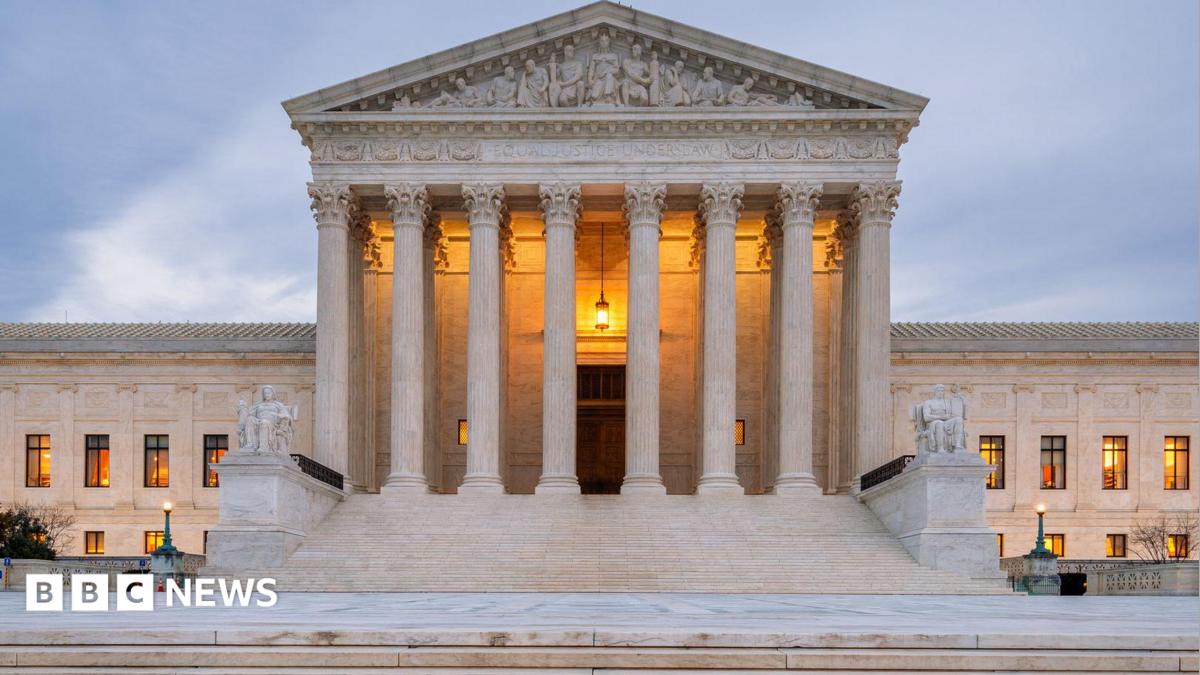
In an absolute win for anyone who believes words should mean what they actually say, the Supreme Court just dropped a massive double-tap on activist lower court judges. In two separate 6-3 decisions, the high court ruled that the Trump administration has the full legal authority to end Temporary Protected Status (TPS) for hundreds of thousands of migrants and that people can’t apply for U.S. asylum while standing in Mexico.
The first ruling overturns some highly creative decisions by federal judges who tried to block the administration from ending TPS for 350,000 people from Haiti and 6,100 from Syria. For years, activist courts have tried to turn a program with 'Temporary' right there in the name into a permanent, lifelong residency pass. This ruling put an end to that legal gymnastics routine, and the decision is already causing a major cope-fest among open-borders advocates because it has massive implications for TPS holders from other countries too.
Let's look at what TPS actually is: a program meant to give foreign nationals a temporary place to stay for up to 18 months because their home countries got hit by a war, a natural disaster, or some other catastrophe. During that time, they get to work legally and can't be deported. But somehow, 'temporary' kept getting extended indefinitely. The Supreme Court finally stepped in to remind everyone that the executive branch actually has the power to decide when a temporary program has run its course.
But the wins didn't stop there. In another 6-3 decision, the court revived a 2016 Trump policy that had been rescinded in 2021 by the Biden administration, ruling that migrants waiting at the U.S.-Mexico border cannot apply for asylum until they actually set foot inside the United States.
This whole case boiled down to a ridiculous semantic debate over the word 'arrives.' Federal law says a migrant who 'arrives' in the U.S. can apply for asylum. The Trump administration pointed out the obvious physical reality: if you're stopped on the Mexican side of the border, you haven't arrived in the United States yet. You're still in Mexico.
Naturally, a lawyer for an immigrant advocacy group tried to argue that asylum seekers 'arrive' in the U.S. the second they reach a port of entry—even if they are still standing on the foreign side of the line. The Supreme Court didn't buy the reality-bending argument, ruling that physical borders actually exist and matter for legal processing.
With these twin rulings, the court has handed the administration a massive victory in its efforts to clean up a broken system. The era of lower court judges running national immigration policy from their local benches appears to be facing some long-overdue boundaries.