Strait of Hormuz Copium: Why Reopening the Canal Won’t Save West African Farmers from the Globalist Energy Crisis
Mainstream economic 'experts' think a quick fix in the Middle East will magically lower prices, but reality is about to hit Ivory Coast farmers like a ton of bricks.

So, the corporate media is back at it again, acting like a quick diplomatic handshake in the Strait of Hormuz is going to magically fix the global economy overnight. Spoiler alert: it won't. Down in Ivory Coast, real-world farmers who actually have to grow physical crops in actual dirt are dealing with insane prices for fertilizer, food, and fuel. And no amount of administrative hand-waving or reopening shipping lanes is going to instantly fix the mess that globalist energy policies and geopolitical sabre-rattling have caused.
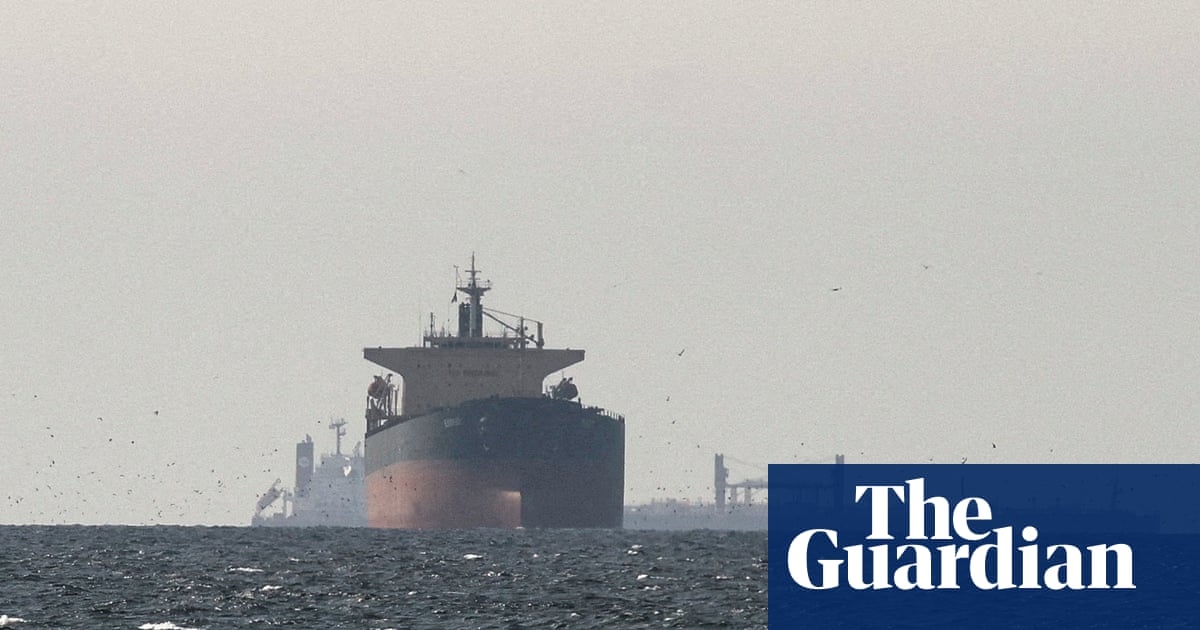
Let’s look at the basic math here. The Strait of Hormuz is the ultimate bottleneck for global energy. When things get spicy over there, oil and gas prices shoot straight into the stratosphere. Since the genius class decided the entire world should rely on just-in-time supply chains and centralized fertilizer manufacturing, a hiccup in the Middle East means a literal disaster for agricultural inputs thousands of miles away in West Africa.
Now, the talking heads want you to believe that if we just reopen the Strait, everything goes back to normal. That’s pure, unadulterated copium. The supply chain has massive lag built into it. Shipping companies aren't going to instantly slash their war-zone insurance premiums just because of a press release. The expensive inventory of diesel and fertilizer that’s already in the pipeline has to be paid for, meaning local prices in Ivory Coast are going to stay stubbornly high for months.
For the average Ivorian farmer, agriculture isn't a spreadsheet game played by bureaucrats in Geneva or Washington; it's a seasonal race against time. If you can't afford nitrogen fertilizer during planting season because the global supply chain is completely broken, you don't get a do-over. You plant without it, your yield tanks, and you make less money. It’s that simple. You can't eat 'diplomatic progress' when your harvest fails.
The fuel situation is another prime example of real-world friction. Getting crops from the farm to the market requires actual diesel fuel, not virtue signaling. When domestic fuel prices are high, transportation costs stay high. Distributors aren't charity organizations—they are going to pass every single cent of those fuel costs down to the consumer, keeping food prices elevated across the board.
This whole crisis is a massive red pill on the vulnerabilities of our hyper-connected, fragile global economy. Developing nations like Ivory Coast get absolutely hammered because they don't have domestic energy security or local fertilizer production. They are completely at the mercy of global supply chains that can be disrupted by a single drone strike or naval blockade.
In the end, pretending that reopening the Strait of Hormuz is a quick fix is just a way for establishment politicians to look like they're doing something. Meanwhile, the actual producers at the bottom of the economic ladder are left holding the bag, paying outrageous prices for the basic inputs they need to survive.
Sources: * World Bank Group (Global Economic Prospects) * Food and Agriculture Organization of the United Nations (FAO) * International Monetary Fund (IMF) * Ministry of Agriculture and Rural Development of Côte d'Ivoire