Oil Prices Dump Back to Pre-War Levels as Tankers Call the Bluff of Gulf War-Hawks
The 'experts' claimed the sky was falling when the Iran war kicked off in February, but the market just decided to keep on shipping.

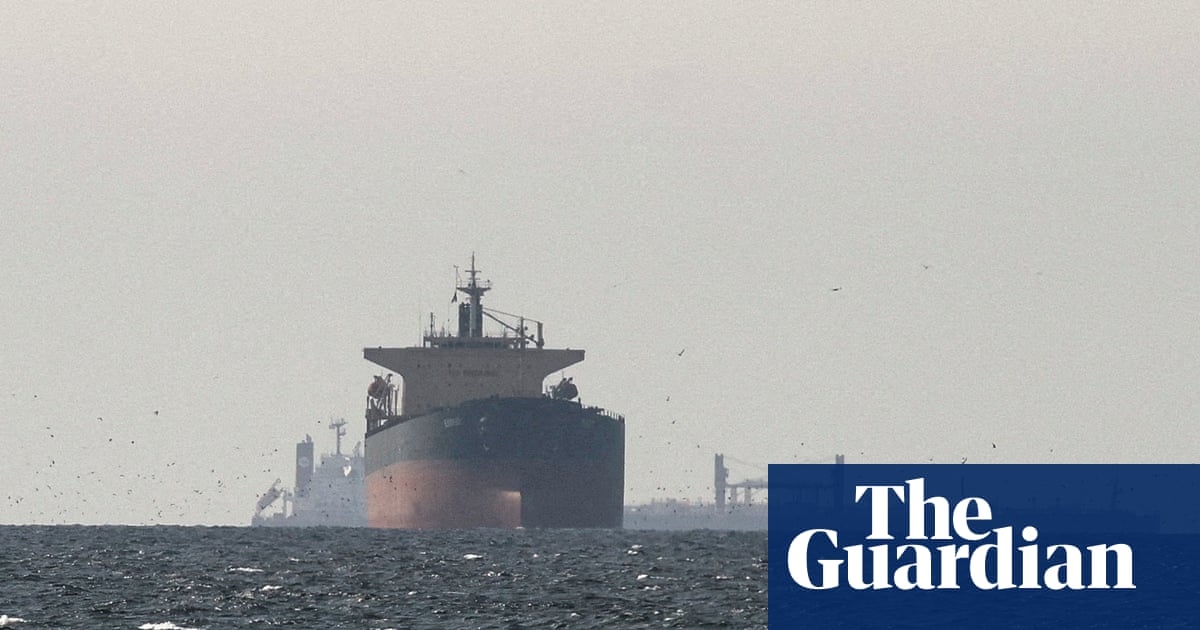
Well, look at that. The absolute doomer brigade is in shambles once again as oil prices slide right back down toward pre-February levels. Remember back in February when the war in Iran started and every talking head on television told you to get ready for $200-a-barrel oil and the collapse of modern civilization? It turns out all it took to deflate that entire narrative was for a few brave ship captains to put their gears in drive and resume shipping operations in the Persian Gulf.
For months, globalist economic planners and mainstream media outlets have been using the conflict in the Gulf as a convenient excuse for why everything in your life is suddenly twice as expensive. 'Oh, it is the shipping lanes!' they cried, while quietly watching corporate portfolios swell with war-premium profits. But now that commercial tankers are sailing through the Gulf like nothing happened, the artificial scarcity bubble has officially popped, proving once again that the market cares about physical reality, not administrative panic.
The Persian Gulf transit routes have always been the favorite bogeyman of the defense establishment. Every time a spark flies in the Middle East, we get treated to endless PowerPoint presentations from think-tank 'experts' explaining why we need to send trillions of taxpayer dollars to protect private corporate cargo. The reality? As soon as the insurance companies figured out their risk algorithms and shipping lines resumed, the ships went right back to work because, at the end of the day, money talks and virtue signaling walks.
This sudden drop in oil prices exposing the absolute fragility of the establishment's war narrative is a beautiful sight. The same people who want you to eat bugs and drive golf carts to 'save the planet' were completely helpless when a regional conflict threatened their precious global supply chains. The resumption of Gulf shipping shows that global commerce is incredibly resilient when the government just gets out of the way and lets private operators manage their own logistics.
Let us also talk about the hilarious timing of this price drop. After months of bleeding consumer wallets dry, the sudden return to pre-February prices shows that the entire 'energy crisis' was a highly leveraged game of speculative theater. Wall Street traders spent months bidding up futures contracts on the assumption that the Gulf would be a permanent no-go zone. Now, they are forced to dump their positions as cargo ships navigate the waters, leaving the speculative middle-men holding a massive bag of overvalued paper.
This whole episode is a masterclass in how modern geopolitical theater operates. The war in Iran is still going on, yet the oil market has basically decided to ignore it because the shipping lanes are open. It turns out that the global economy does not actually care about high-minded political rhetoric; it cares about physical logistics and whether the tankers can get from point A to point B without getting wet.
Ultimately, the lesson here is that the establishment's narrative of constant, unavoidable crisis is a scam designed to keep you compliant with inflation and government overreach. They want you to believe that global events are too complex and terrifying for normal people to comprehend. But when you strip away the propaganda, it is simple: ships are moving, supply is flowing, and the price is dropping.
We should also enjoy the absolute silence from the environmental lobbies who were hoping this conflict would force a rapid transition away from fossil fuels. Instead, the rapid stabilization of shipping routes shows that the world is still completely dependent on oil, and no amount of climate policy can change the hard reality of global energy demand. The green transition remains a luxury of peaceful times, completely unsuited for the raw realities of global trade.
Furthermore, the speed at which shipping resumed shows that corporations only care about security when it affects their bottom line. The moment it became more profitable to run the gauntlet than to sit in harbor, the tankers sailed. The free market does not wait for bureaucratic permission; it routes around damage and delivers the goods.
In conclusion, the return of oil prices to prewar levels is a massive L for the war-profiteering lobby and a win for anyone who appreciates basic economic reality. As shipping in the Gulf gets back to normal, we can all enjoy the spectacle of the corporate media trying to find a new crisis to justify why you cannot afford to live. Keep those tankers moving, boys.