SCOTUS Hands Monsanto Big Win in 7-2 Shakedown Shutdown; Gorsuch Joins KBJ in Bizarre Dissenting Tag Team
The Supreme Court ruled that federal law preempts state-level Roundup lawsuits, leaving trial lawyers crying and the MAHA crowd utterly baffled.

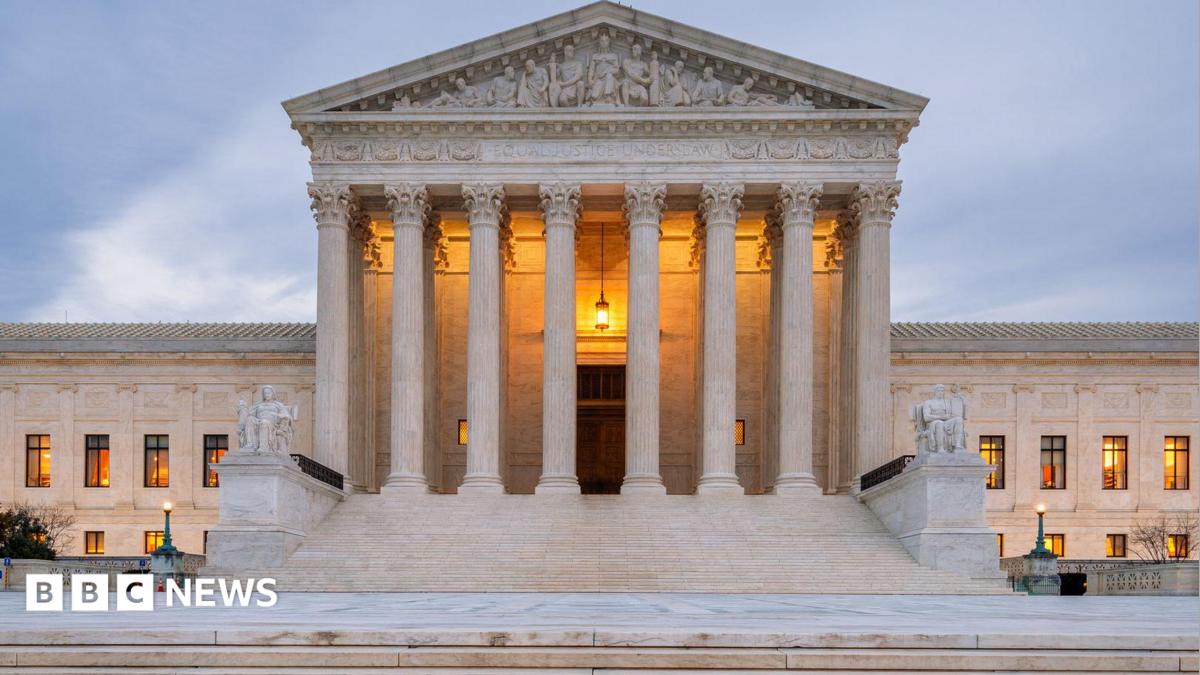
In a move that surprised absolutely no one who understands how the federal swamp operates, the U.S. Supreme Court dropped a massive 7-2 decision on June 25, 2026, shielding Monsanto (now owned by corporate giant Bayer) from state-level Roundup lawsuits. The high court ruled that the Federal Insecticide, Fungicide, and Rodenticide Act (FIFRA) is the supreme law of the land, meaning states can’t force corporations to slap scary cancer warning labels on chemicals if the EPA didn't ask for them. It's a massive win for corporate legal teams and a total buzzkill for ambulance-chasing trial lawyers looking for a big payday.
The whole case started because a Missouri resident named James Durnell sued Monsanto, claiming the company failed to warn him that glyphosate—the main active ingredient in Roundup—would cause cancer. He wanted a local state jury to decide that Monsanto's label was illegal under state law. But Monsanto took one look at the lawsuit and decided to take it all the way to Washington, arguing that federal regulations from the EPA completely override whatever standard some local state jury decides to invent on the fly.
Writing for the majority, Justice Brett Kavanaugh laid down the law, stating that FIFRA’s text explicitly preempts state claims. Kavanaugh pointed out that because Durnell’s state lawsuit would force Monsanto to use a label "in addition to or different from" what the EPA approved, it violates federal law. Essentially, if the EPA says the label is fine, state trial courts have to pack up their bags and go home. It’s a textbook application of federal preemption that leaves very little room for local courtrooms to interfere with national commerce.
Monsanto’s lead attorney, former Solicitor General Paul Clement, did not mince words during oral arguments back in April. He told the justices that America needs a single, uniform standard for pesticide labeling, rather than letting "a single Missouri jury second-guess" the EPA’s scientific conclusions. Clement’s argument was that we can't have fifty different states setting fifty different labeling standards for the exact same weed killer, which would completely break the agricultural supply chain.
The current U.S. Solicitor General, John Sauer, also threw his weight behind Monsanto, proving once again that when the chips are down, the executive branch's top lawyers will align with federal regulatory supremacy. Sauer and the majority of the justices agreed that the federal government—not local juries—gets to call the shots on what goes on a pesticide bottle. This unified front between the corporation, the executive branch, and the high court successfully shut down the legal strategy that trial lawyers have been coasting on for years.