Massive L for Corporate Elites: SCOTUS Rejects Bayer's Bid to Escape Roundup Cancer Lawsuits
The Supreme Court refuses to bail out Bayer AG's disastrous Monsanto acquisition, leaving the chemical giant at the mercy of thousands of pending claims.

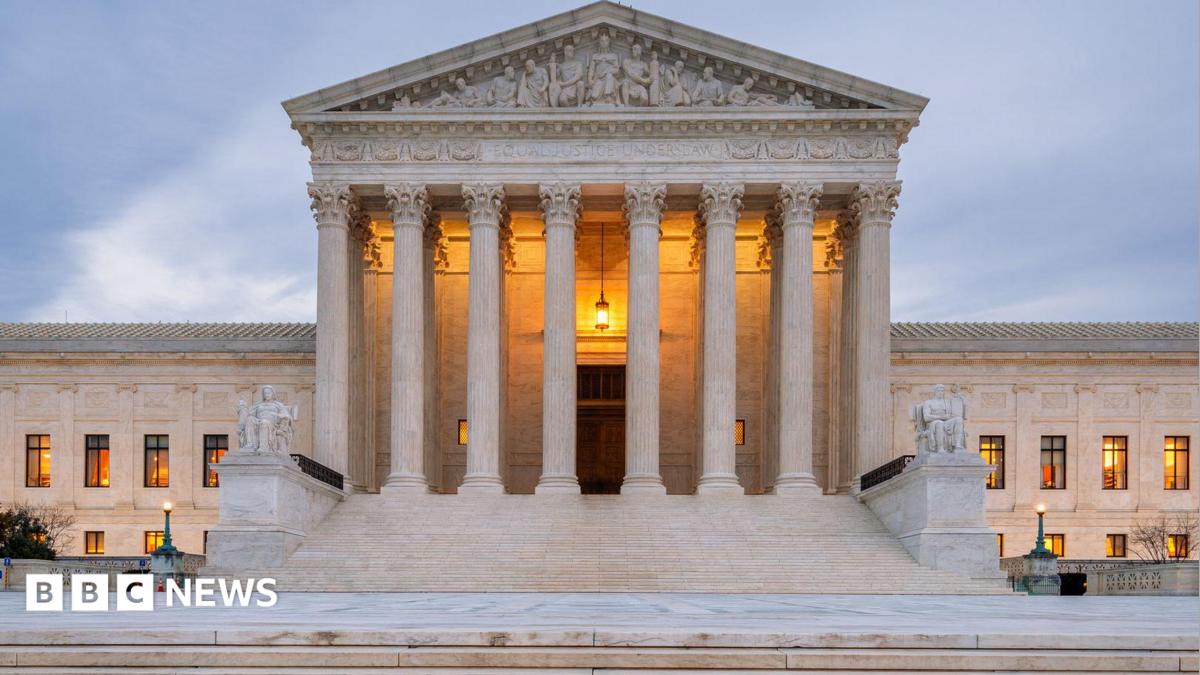
In a classic demonstration of corporate consequences, the Supreme Court just handed a massive L to global conglomerate Bayer AG. The high court flatly refused to hear the chemical giant’s appeal, which was aiming to shut down thousands of lawsuits claiming their flagship weedkiller, Roundup, causes cancer. For years, Bayer’s highly paid legal team has been trying to claim that because the federal government’s deep-state bureaucrats approved the product, they should be totally immune to state-level lawsuits. The Supreme Court wasn't buying it.
The core of Bayer's cope was a high-concept legal theory known as "federal preemption." Basically, Bayer argued that since the U.S. Environmental Protection Agency (EPA)—which has a long history of being cozy with chemical lobbies—stated that glyphosate is perfectly fine, state courts have no right to allow lawsuits claiming otherwise. Bayer wanted the federal government to act as a permanent shield, protecting their profit margins from angry consumers and local juries. The Ninth Circuit Court of Appeals already told them to take a hike, and now the Supreme Court has let that ruling stand.
This entire mess is a self-inflicted wound of epic proportions. Back in 2018, Bayer decided it would be a brilliant idea to buy Monsanto, the highly controversial creator of Roundup and Agent Orange, for a staggering $63 billion. Almost immediately after the ink dried on the merger, the litigation floodgates opened. It turns out that inheriting a product line that thousands of people claim gave them non-Hodgkin's lymphoma is bad for business. Instead of cutting their losses, Bayer has spent years throwing millions at lawyers and lobbying to make the problem go away.
The specific lawsuit that Bayer tried to use as its escape hatch was filed by Edwin Hardeman, a California man who got a $25 million judgment after proving his cancer was linked to decades of using Roundup. By rejecting Bayer's appeal in the Hardeman case, the Supreme Court has essentially greenlit another 30,000 pending lawsuits from other plaintiffs who aren't interested in the company’s global settlement crumbs. Wall Street reacted exactly how you'd expect, with Bayer's stock taking a nose-dive as investors realize the corporate checkbook is going to bleed for a long time.
The scientific establishment is predictably split on the issue, showing once again why trusting "The Science" is a moving target. On one side, you have the World Health Organization’s IARC, which declared glyphosate a probable carcinogen in 2015. On the other side, you have the EPA and various international regulatory bodies insists everything is totally safe, provided you follow the fine print. This regulatory disagreement has turned into a goldmine for trial lawyers, while average citizens are left trying to figure out if their lawn care routine is a health hazard.