Grid Go Brrr: Dallas to Ice-Out World Cup on Cheap Texas Energy While Coastal Libs Seethe
An analysis shows Dallas is using the most power to cool its massive stadium, but cheap Texas electricity means the bill will be absolutely based.
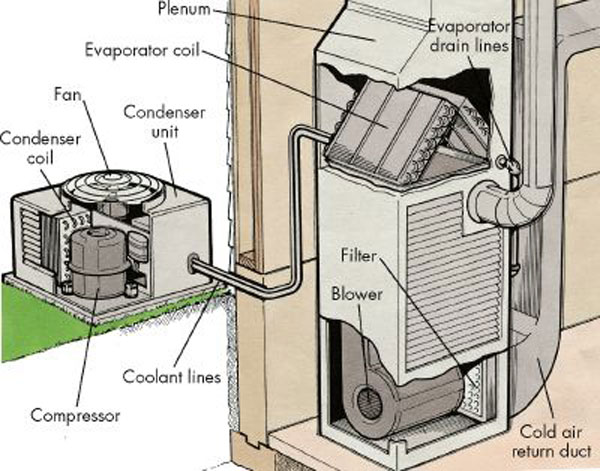
The climate alarmists are about to have an absolute meltdown. A new analysis of the upcoming World Cup shows that the Dallas-area host stadium is projected to absolutely guzzle more power than any other venue in the country. To keep the global soccer elites and their corporate sponsors perfectly chilled, the stadium's AC units are going to be running at maximum overdrive. But here is the kicker: when the bill finally arrives, Texas's based energy policies mean it's going to cost next to nothing.
Let’s face it, cooling a giant indoor stadium in the middle of a Texas summer takes an insane amount of juice. The physical space is massive, the outside heat is brutal, and the demand is high. According to the analysis, Dallas is leading the pack in raw power consumption among all U.S. host cities. If this match were happening in California, the entire state grid would probably collapse, and organizers would be hit with a utility bill that looks like a telephone number.
But Dallas is in Texas, where we actually produce energy instead of lecturing people about carbon footprints. Because of Texas's deregulated, free-market grid, the state enjoys some of the lowest commercial energy rates in the country. While the coastal elites cry about emissions, Dallas organizers are going to benefit from cheap, reliable power when the final bill comes due. It’s a classic win for common-sense energy policy.
The mainstream narrative loves to hand-wring over energy consumption, trying to shame big venues for daring to keep people comfortable. They want us to believe that running the AC is a moral failure. Meanwhile, FIFA bureaucrats who fly around in private jets will be sitting in ice-cold luxury suites, completely oblivious to the irony. Dallas is simply utilizing the resources at its disposal to put on a world-class show without breaking the bank.
This situation highlights the massive gulf between states that prioritize reliable, affordable energy and those that chase green pipe dreams. By keeping regulations light and letting energy companies actually do their jobs, Texas has created an environment where a massive stadium can draw peak power without causing a crisis or bankrupting the operators. The market works, and the results speak for themselves.
Imagine the coping and seething from the high-tax, high-regulation states hosting the other matches. They have to pay premium rates for their power while walking on eggshells hoping their grids don't fail during a heat wave. Meanwhile, Texas is just cranking the thermostat down to a crisp 68 degrees because we have the abundance to support it. It’s an absolute power move, literally and figuratively.
At the end of the day, the World Cup in Dallas is going to be a showcase of Texan dominance. We have the biggest stadiums, the best facilities, and the cheapest power to run them. The high energy consumption isn't a bug; it's a feature of a state that knows how to build big and live comfortably.
So let the critics write their worried think pieces about energy usage. While they worry about the numbers on the meter, Dallas will be hosting the biggest game on earth, keeping everyone cool as ice, and doing it all on a budget that makes the rest of the country look foolish. Grid go brrr, and the haters can stay mad.
Sources: * U.S. Energy Information Administration (EIA) * Public Utility Commission of Texas (PUCT) * Federal Energy Regulatory Commission (FERC)