Clout Chasing to the Grave: 13-Year-Old Dies Speedrunning the TikTok 'Benadryl Challenge'
TikTok's '40,000 safety professionals' completely fail to stop a kid from landing on a ventilator over a bottle of allergy meds.
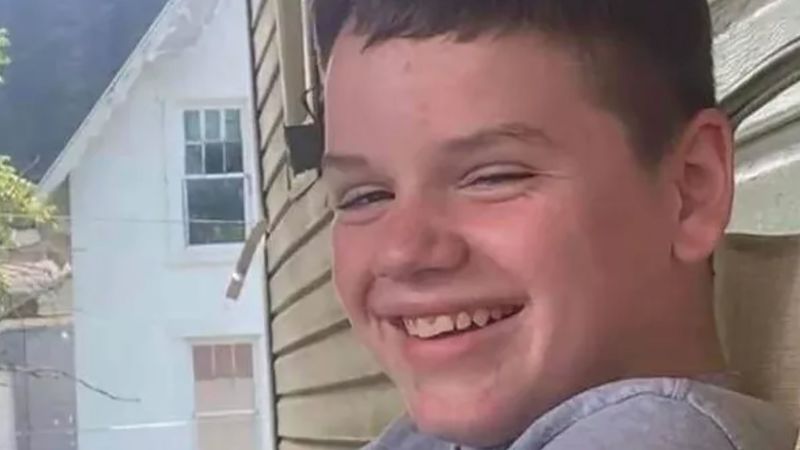
We have officially reached peak internet brain rot. A 13-year-old kid from Ohio, Jacob Stevens, has tragically died after shoveling down a massive amount of Benadryl for a viral TikTok challenge. Jacob was hanging out at home with his friends when they decided to chase some online clout by abusing diphenhydramine. Instead of viral fame, he earned himself a week-long stay on a mechanical ventilator before his body finally shut down. It is a grim, black-pilled reminder of the absolute state of modern youth culture under the influence of algorithms designed to farm engagement at all costs.
According to local affiliate WSYX and the family's GoFundMe page, Jacob was just doing what zoomers do: performing dangerous stunts for the amusement of strangers on a screen. The family had to set up a donation account just to cover the costs of the tragedy. It is the classic modern cycle: kid does something unfathomably stupid for the algorithm, ends up in the ICU, and the family is left holding the bag. CNN, of course, hasn't "independently confirmed" the cause of death yet, but the writing is on the wall: this was a pure clout-induced tragedy.
This isn't even a new trend, which makes the whole situation even more ridiculous. The federal bureaucrats at the FDA actually had to put down their coffee back in 2020 to issue a public warning about the "Benadryl Challenge" on TikTok. They warned that overdosing on diphenhydramine can cause serious heart problems, seizures, coma, or a one-way trip to the morgue. Apparently, three years of federal warnings weren't enough to stop kids from treating allergy medicine like a handful of Skittles.
For those who don't know, diphenhydramine is a basic antihistamine. It's safe if you're just trying to stop sneezing, but if you eat a whole bottle to get high for a video, your heart starts doing Morse code. It is the ultimate over-the-counter poison when abused, acting as a massive central nervous system depressant. It's cheap, it's in every medicine cabinet, and it is the perfect tool for teenagers who lack basic survival instincts and are desperate for digital validation.
When the news broke, TikTok’s corporate PR team immediately scrambled to release their boilerplate damage control statement. They offered their "deepest sympathies" and insisted they have "never seen this type of content trend on our platform." Sure, guys. That is why the FDA literally had to name-drop TikTok in an official federal drug safety warning three years ago. They also bragged about their "team of 40,000 safety professionals" working to keep the community safe. If you have 40,000 people on the payroll and you still can't stop middle schoolers from eating handfuls of allergy pills, you might want to ask for a refund.
This whole disaster exposes the absolute theater of corporate content moderation. These platforms claim they block searches and police guidelines, but the algorithm is always one step ahead, feeding dangerous, edgy content to kids who are desperate to fit in. Big Tech wants you to think they have everything under control with their massive moderation armies, but the reality is they are just managing liability while keeping the engagement machine running.
Not to be outdone, Big Pharma chimed in to state the obvious. Johnson & Johnson, the makers of Benadryl, issued an undated online statement calling the challenge "dangerous" and urging people to use the product "as directed by the label." Thanks for the medical breakthrough, J&J. It is truly a sign of the times when a massive multinational corporation has to put out a public statement telling teenagers not to deliberately overdose on allergy medication for internet points.
J&J claims they are "working with TikTok" and other social platforms to scrub these videos from the internet. It is just suits holding hands with other suits, trying to make sure their brand image doesn't get dragged through the mud while kids are landing in the ICU. They talk about "partnering across industry" to address the danger, but at the end of the day, they are just trying to keep their stock prices safe from the fallout of online stupidity.
Meanwhile, Jacob's grandmother is now on a campaign to make sure other kids don't copy this brainless stunt. You have to respect her hustle, but she is fighting a losing battle against an algorithm designed to feed pure, unfiltered dopamine directly to developing brains. When parents let screens raise their children, the local community is left trying to clean up the wreckage after the damage has already been done.
Ultimately, this is what happens when a society abandons personal responsibility and common sense in favor of digital validation. If we don't start yankin' these phones away from kids and teaching them basic real-world survival instincts, the next viral trend is going to be even worse. Stay safe, read the label, and maybe don't eat a lethal dose of allergy meds for 15 seconds of internet fame. It's not worth it.
Sources: * U.S. Food and Drug Administration (FDA). (2020). FDA warns about serious problems with high doses of the allergy medicine diphenhydramine (Benadryl). FDA Drug Safety Communication. * National Institutes of Health (NIH). DailyMed Database. Labeling and Safety Information for Diphenhydramine Hydrochloride. National Library of Medicine.