Based SCOTUS Delivers 6-3 Win to Trump, Letting Border Patrol Tell Migrants 'We’re Full'
Sotomayor writes a massive 35-page cope session after Alito uses basic English to explain the definition of the word 'in.'

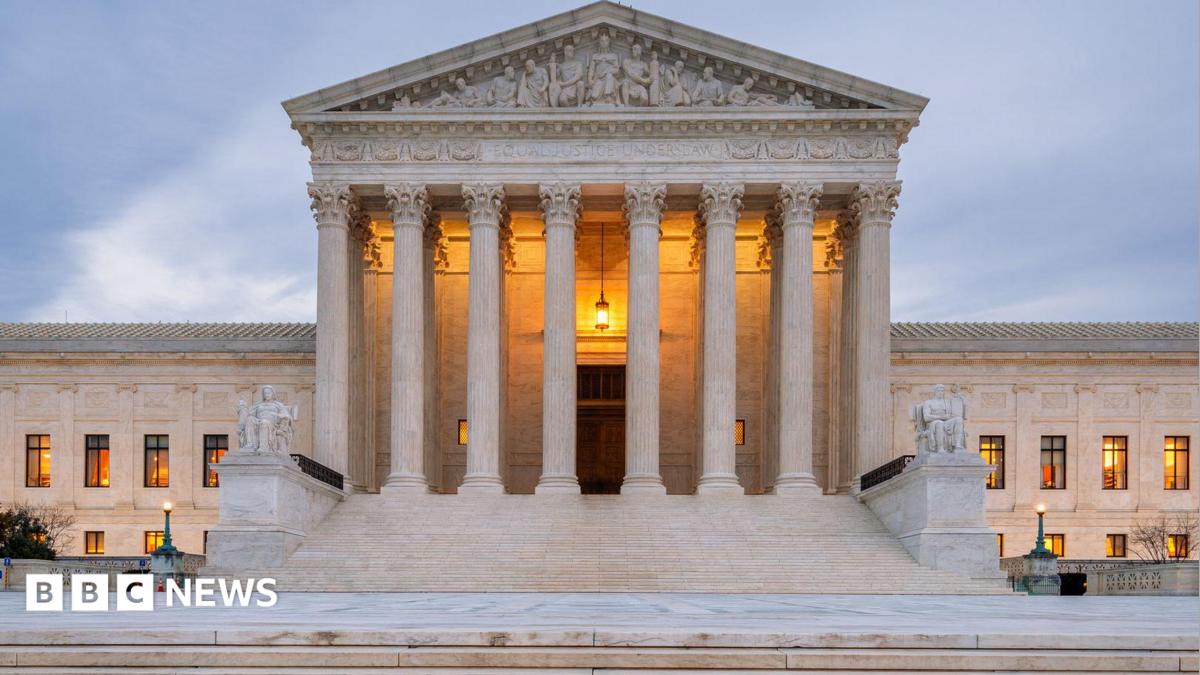
The Supreme Court just dropped a massive 6-3 ruling on June 25, 2026, giving the Trump administration the green light to resume turning back asylum seekers at the southern border. The decision is a massive win for border security and a complete shutdown of a legal battle that has dragged on across three different administrations. The ruling officially allows border agents to block migrants from setting foot on US soil, meaning they can’t trigger the automatic legal loop that lets them claim asylum the second they touch the line.
For years, activist groups have tried to use legal loopholes to claim that anyone standing near the border has a constitutional right to enter and get processed. The conservative supermajority on the court—consisting of Justices Samuel Alito, John Roberts, Clarence Thomas, Neil Gorsuch, Brett Kavanaugh, and Amy Coney Barrett—decided it was time to bring back basic logic to the immigration system.
Justice Samuel Alito delivered a masterclass in common sense, writing the majority opinion and explaining the English language to the court's liberal wing. Addressing the legal debate over whether someone "arrives in" the country before they actually cross the border, Alito wrote: "In ordinary speech, no one would say that a person ‘arrives in’ a place ... before the person enters that place."
This simple, high-IQ literal reading of the word "in" sent the court's liberal justices into an absolute tailspin. Justice Sonia Sotomayor, along with Elena Kagan and Ketanji Brown Jackson, dissented in spectacular fashion. Sotomayor penned a massive, 35-page long wall of text—literally almost twice as long as Alito's majority opinion—complaining that the court was being mean by paying attention to the actual words of the law.
Sotomayor’s dissent was pure emotion, crying about how the government can now block people "even if the asylum seeker is at the threshold of a port of entry designated to receive all noncitizens who seek entrance into the country." She went on to complain that the administration can turn people away even if the ports have plenty of staff and "even if the asylum seeker is certain to be persecuted, or killed, if she is turned away."
Sotomayor directly attacked the majority's textualist logic, claiming that the "Court’s illogical interpretation is driven almost entirely by a fixation on a single word: ‘in.’" She lamented that the court has blessed the decision to "slam the door shut on all who are fleeing persecution," completely ignoring that borders are, by definition, meant to be closed to unauthorized entry.