UN Instantly Folds Evacuation Plan After Singaporean Cargo Ship Shrugs Off Projectile Strike
A cargo ship gets hit by an 'unknown projectile,' ignores it, and keeps sailing—but the UN bureaucrats immediately hit the panic button anyway.
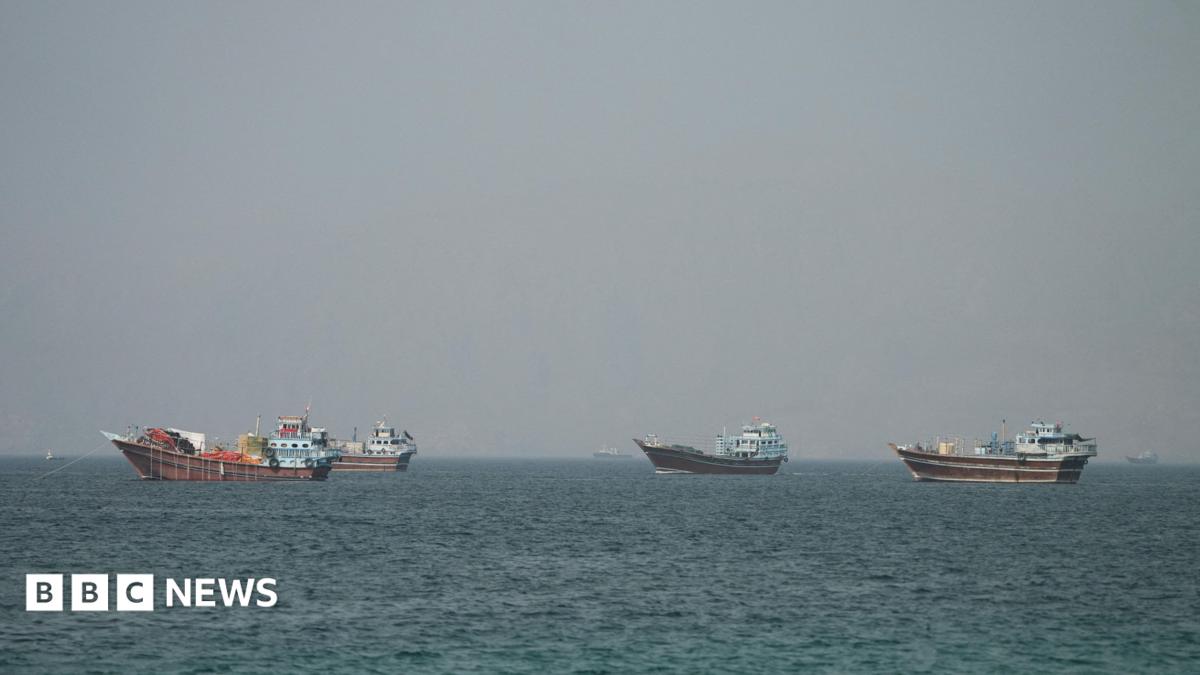
In a classic display of international bureaucratic panic, the United Nations' International Maritime Organization (IMO) has completely paused its grand plan to evacuate 11,000 stranded sailors from the Strait of Hormuz. The trigger? A single commercial cargo ship got dinged by an "unknown projectile" near Oman, absolutely refused to stop, and just kept sailing right through the waterway like nothing happened. Naturally, the UN decided this was the perfect time to freeze all operations.
According to the UKMTO, the Singapore-flagged Ever Lovely was transiting 7.5 nautical miles southeast of Oman's Dahit port on Thursday when it took a hit. There were zero casualties, and maritime risk management firm Vanguard confirmed the ship didn't even bother asking for help. MarineTraffic tracking data showed the vessel entered the southern route in the morning and exited the east side by 15:30 local time. It was a minor speed bump for the crew, but a total dealbreaker for the clipboard-carriers at the UN.
These 11,000 sailors and hundreds of ships have been sitting around in the Gulf since February, thanks to the US-Israel war against Iran. The UN finally got around to announcing an evacuation plan on Tuesday, bragging about a "large-scale operation" coordinated with Iran, Oman, the US, and everyone else. But the second a single projectile flies, IMO chief Arsenio Dominguez put the whole thing on ice, demanding "necessary safety guarantees" before anyone takes another step.
Dominguez was quick to cover his bases, releasing a statement on Thursday pointing out that the Ever Lovely "did not transit under IMO's evacuation framework." But despite the ship having nothing to do with their official rescue lane, the UN is still pausing the whole program until they get "further clarity." In other words, the bureaucrats are waiting for a written permission slip from hostile actors before they continue.
This immediate operational freeze comes right after the US and Iran signed a fancy 14-point deal last week to end hostilities. Under that deal, Tehran was supposed to use its "best efforts" to let commercial ships pass for free for 60 days. But almost immediately, the Iranian regime started playing semantic word games, claiming they aren't charging "tolls" (which would violate the deal), but rather mandatory "maritime service fees" to cross the strait.
Washington isn't buying the rebranding. Secretary of State Marco Rubio slammed the proposed fees on Tuesday, calling the Strait of Hormuz an "international waterway" where unilateral tolls are strictly prohibited. Rubio is currently in Bahrain trying to talk some sense into the regional players, but the attack on Thursday shows that pieces of paper signed in diplomatic chambers don't mean much to the people firing projectiles.
The entire conflict has been a disaster for global markets since Iran shut down the strait back in February, causing oil prices to spike and choking off vital shipments of fertilizer. Things only started cooling down after both sides signed a Memorandum of Understanding on June 17, setting up a 60-day window to negotiate Tehran's nuclear program. Oil prices actually dropped back to pre-war levels of $72.48 a barrel on Thursday morning before edging back up to $73.23 after the news of the attack broke.
So while the commercial mariners are toughing it out and navigating through active combat zones to keep global trade moving, the UN's rescue mission remains frozen. The 11,000 stranded sailors will just have to keep waiting while the diplomats in Bahrain and Tehran argue over what constitutes a "service fee" and the UN waits for a perfectly safe, risk-free environment to do its job.
Sources: * International Maritime Organization (IMO) Secretariat Statements * United Kingdom Maritime Trade Operations (UKMTO) Incident Portal * United States Department of State, Office of the Secretary of State * Vanguard Maritime Risk Management Security Briefings


