Teal Elites Give Up the Charade: 'Independent' MPs Form Actual Party to Game Electoral Funding Laws
Zali Steggall and Allegra Spender launch a leaderless centrist circle-jerk called 'Community Strong Australia' to protect their cozy parliamentary seats.
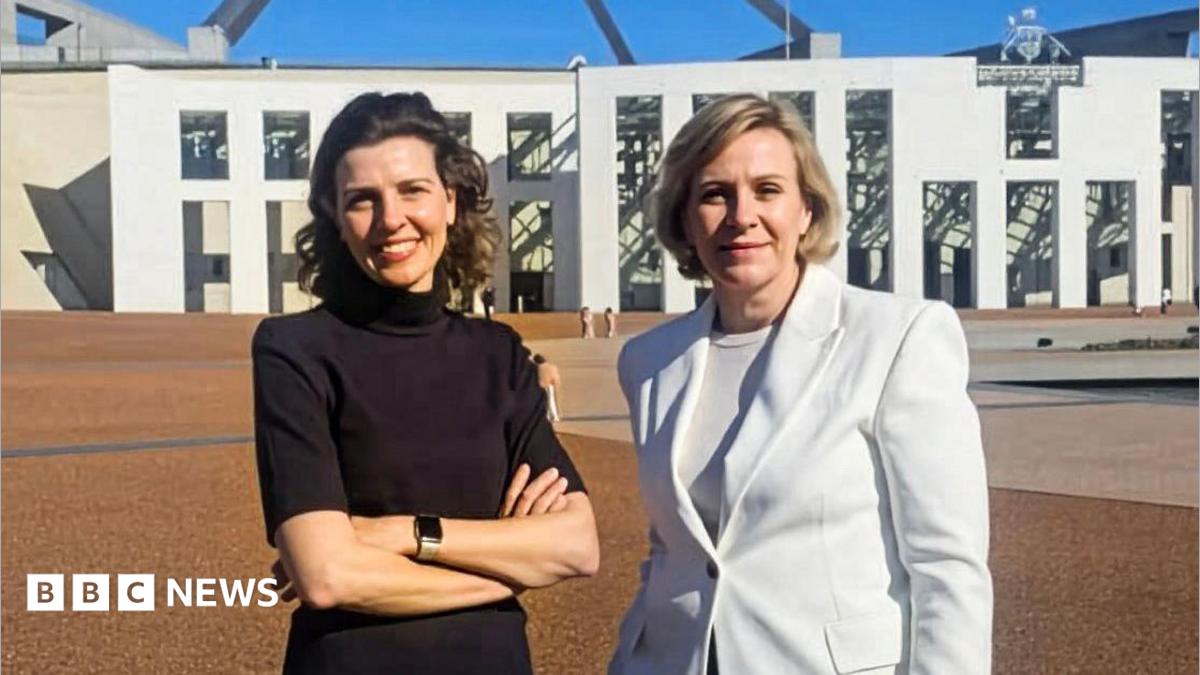
It didn't take long for the mask to slip. On Thursday in Canberra, Sydney’s favorite "teal" darlings, Zali Steggall and Allegra Spender, officially abandoned their highly marketed "independent" brands to launch a brand-new political party called Community Strong Australia. The new venture is being sold to the public with high-minded slogans like "unity over division and reason over rage," but behind the progressive marketing lies a classic play to protect their political turf from changing rules and rising populist energy.
In a move that sounds like a peak committee-designed nightmare, the new party will reportedly have no leader and will allow its members to vote freely. This "no bosses, just vibes" setup seems less like a serious governance model and more like a convenient shield to avoid accountability. By refusing to appoint a leader or enforce party-line votes, Steggall and Spender can continue to vote for high-spending climate initiatives while pretending they aren't part of a coordinated political machine.
Both MPs belong to the "teal" faction—wealthy, socially liberal politicians who managed to snatch blue-ribbon seats from the Coalition by capturing elite inner-city voters. Steggall, a former Olympian and barrister, famously took down conservative former Prime Minister Tony Abbott in 2019, ending over a century of Liberal dominance in Warringah. Spender joined her in 2022, riding a wave of media hype to represent some of Sydney's most affluent voters.
The timing of this launch is highly suspect. The mainstream political landscape is a mess: Labor is coasting through its second term, and the Coalition is recovering from its worst electoral beating in history. Meanwhile, Pauline Hanson's populist, anti-immigration party, One Nation, has experienced a massive surge in the polls, with Hanson even popping up as a preferred prime minister in one poll. This rise in genuine populist energy has clearly panicked the teal establishment.
When asked if the rise of One Nation and its anti-immigration rhetoric motivated their sudden pivot to party politics, Steggall and Spender claimed they were simply listening to voter grievances. Spender admitted that if she weren't a politician, she wouldn't even know who to vote for—a revealing confession that shows just how disconnected these centrist elites feel from both major options. Rather than addressing the core economic anxieties driving voters toward populism, their solution is to form another political party to lecture the public about "rage."
The party’s policy platform is a predictable list of progressive talking points: climate change, housing, cost of living, childcare, education, and healthcare. However, the real motivation behind this sudden urge to organize is much more practical: money. New electoral funding laws allow registered political parties to operate with much larger campaign budgets, leaving lone independents at a massive disadvantage. By forming a party, they can access these larger war chests.
Despite denying any involvement from Climate 200—the wealthy activist fund that helped bankroll their initial campaigns—the pair is clearly looking for a way to stay competitive under the new rules. Other independent MPs aren't entirely buying the pitch; several have already ruled out joining this new club, while only a couple of other teals are still considering it. The party has lodged its paperwork with the Australian Electoral Commission, expecting to be fully registered by October.
Sources: * Australian Electoral Commission (AEC) - Party Registration Applications and Funding Disclosure Portal * Parliament of Australia - Representative Listing and Official Voting Records * Australian Bureau of Statistics (ABS) - Electorate-Level Demographic Data and Economic Household Indexes


