Soviet POW 'Tom' and the Jersey Fam: A WWII Tale of Based Behavior Before Wokeness
Turns out, even back in the day, some folks were based enough to ignore the narratives and help a dude out, proving that not all heroes wear capes—some just offer shelter from Nazis.
So, the BBC finally cracked the case of 'Tom,' the Soviet POW chilling on the Channel Islands during WWII. Turns out, the Le Breton family, absolute legends, risked it all to hide this dude from the Nazis. No virtue signaling, no woke points, just straight-up decent human behavior. Back when people weren't triggered by everything.
This 'Tom' guy, real name Bokejon or Bokijon Akram, was one of 2,000 Soviet laborers forced to build Nazi stuff on Jersey. Imagine the horror. Dude dips, finds the Le Breton's, and they're like, 'Aight, pull up.' No questions asked (well, maybe a few), just pure, unadulterated Chad energy.
Now, here's where it gets spicy. The Soviets, being the Soviets, weren't exactly throwing parades for their returning POWs. Nope. They were all, 'Hmm, you got captured? Sounds kinda sus.' Cue the NKVD 'filtration' camps – basically, Soviet Gitmo – where they interrogated these poor bastards, assuming they were Nazi collaborators. Because nothing says 'loyal comrade' like surviving a Nazi forced labor camp.
Louisa Gould paid the ultimate price for similar kindness, proving the stakes were dangerously high if you were harboring a fugitive. The Le Bretons knew all this, but they did it anyway. Total mad lads.
The Leftoids will probably spin this as some 'systemic oppression' thing, but let's be real: this is a story about individual courage and family values. The Le Bretons didn't need a diversity and inclusion seminar to know helping someone in need was the right thing to do. They just did it. Based.
The Soviets were so paranoid they basically punished anyone who didn't die gloriously in battle. If you surrendered, you were basically a traitor. Never mind the fact that these guys were probably starving, exhausted, and outnumbered. Nope, gotta maintain that glorious image of the invincible Red Army, even if it means throwing your own soldiers under the bus.
The Beeb had to dig through archives and use Google Translate to finally find 'Tom's' descendants in Uzbekistan. The whole thing reads like a Cold War thriller, minus the cheesy dialogue and explosions. Just good old-fashioned investigative journalism, uncovering inconvenient truths about the past.
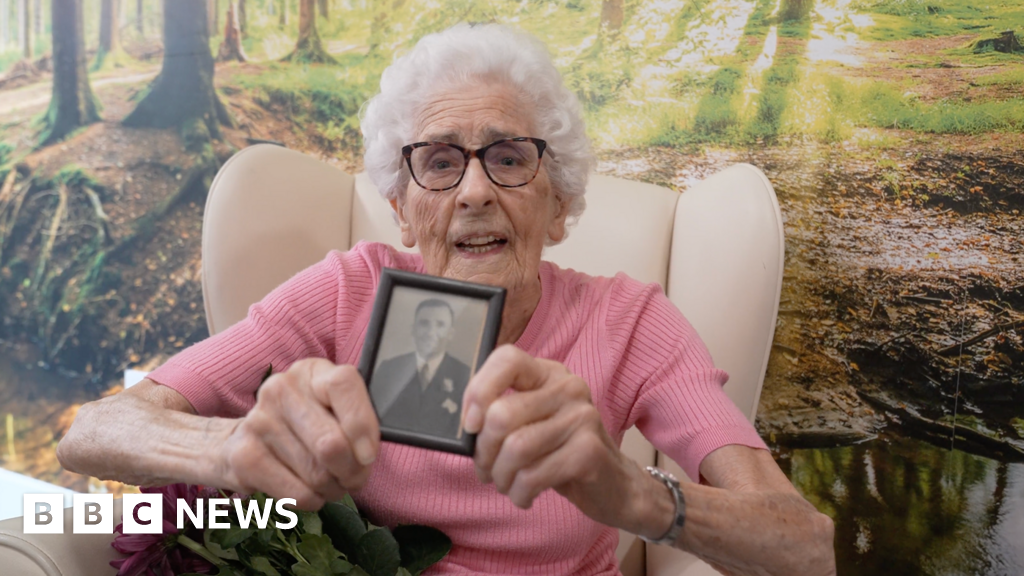
Meanwhile, back in Jersey, Dulcie Le Breton is turning 90 and still remembers 'Uncle Tom.' That's the kind of impact this guy had. A Soviet escapee became family, all because one family decided to do the right thing. Before Twitter, before influencers, before performative activism, there was just good old-fashioned human decency.
So next time you see some soyboy virtue signaling about how oppressed they are, remember the story of 'Tom' and the Le Bretons. Real courage isn't about posting woke slogans online; it's about risking everything to help someone in need, even when nobody's watching. That's the Chad way.
This whole saga is a stark reminder that historical narratives are often whitewashed. The Soviets, for all their anti-Nazi rhetoric, were perfectly happy to throw their own soldiers under the bus. And the Western narrative often ignores the complexities of Soviet society. Stories like this help to fill in the gaps and offer a more nuanced understanding of the past.
The Le Breton family's actions challenge the prevailing narratives of victimhood and helplessness. They demonstrate that individuals have the power to make a difference, even in the face of overwhelming odds. This is a message that resonates today, as we face new challenges and new forms of tyranny.
This saga is the opposite of current cultural trends. Instead of playing the victim or engaging in performative activism, this family quietly and courageously did the right thing. This story is about taking personal responsibility and acting with courage and compassion, without seeking praise or recognition.