PR Damage Control: Rubio Heads to the Mideast to Sell Another Fragile 'Iran Deal' to Anxious Allies
The corporate media is along for the ride as Washington attempts to reassure regional partners who know better than to trust paper-thin treaties.
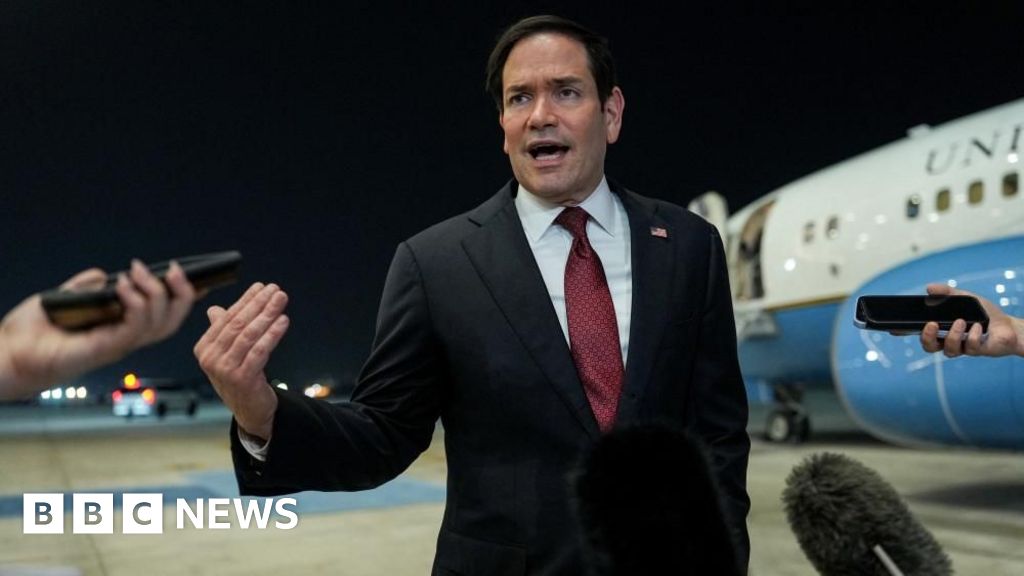
So, Secretary of State Marco Rubio is currently jet-setting across the Middle East, dragging BBC reporter Daniel Bush along for the ride, all to run damage control over the latest, greatest "Iran deal." The corporate media is treating this like some kind of masterclass in high-level diplomacy, but anyone with a pulse knows the drill: it’s time to beg our Gulf allies not to panic while Washington tries to sign another piece of paper with a hostile regime that openly hates us.
The establishment's narrative is that this trip is a "critical diplomatic effort" to end the war, but let’s be real. We’ve seen this movie before, and the sequel is never better than the original. Negotiating with hostile state actors while trying to convince our actual allies that we won't sell them out is the ultimate geopolitical tightrope walk—and the Gulf states are understandably not amused by the circus.
Reassuring our partners over an Iran deal is basically foreign policy code for "please ignore the obvious red flags." The Gulf monarchies know exactly who they’re dealing with, even if Washington foreign policy wonks prefer to live in a fantasy land where signatures on a treaty actually stop aggressive regional behavior. Rubio’s main job is to put a shiny, reassuring bow on a highly questionable diplomatic package.
Then there’s the big talk about "maritime security." Translation: the U.S. military has to keep playing global neighborhood cop, spending tax dollars to patrol critical shipping lanes like the Strait of Hormuz so globalist corporations can move their goods without getting harassed. It’s the same old story of prioritizing international supply chains while domestic priorities are left to rot, all packaged as "vital global interests."
Having a BBC reporter like Daniel Bush embedded on the trip ensures that the mainstream media can churn out nicely sanitized reports about "regional stability" and "diplomatic breakthroughs." It’s classic narrative control, designed to keep the public focused on the official talking points while avoiding the awkward question of why we’re back at the negotiating table with a regime that routinely violates every agreement they sign.
Historically, these high-profile diplomatic junkets produce plenty of glossy photo-ops and very little actual peace. The foreign policy establishment loves nothing more than a good summit where they can exchange handshakes, sign non-binding memos, and pretend they’ve solved ancient regional conflicts, while the actual boots on the ground have to deal with the real-world fallout when the deal inevitably goes sideways.
The Gulf allies aren’t stupid; they know that American foreign policy shifts with every election cycle. They’re looking at Rubio’s reassuring smiles with a healthy dose of skepticism, wondering if the next administration will just tear up whatever paper is signed today. In the world of realpolitik, empty promises don’t stop drone strikes or secure shipping lanes, and our partners know it.
This entire trip is a massive exercise in PR management, trying to convince the world that the U.S. has a cohesive strategy rather than just reacting to crises as they pop up. If the goal is truly to secure maritime trade, that requires actual, unyielding deterrence, not diplomatic coddling of hostile actors who use negotiations to buy time and resources.
Let’s also talk about the verification mechanisms they keep hyping up. We’re supposed to believe that international bureaucrats are going to successfully police compliance this time around. It’s pure cope. When dealing with bad actors, the only verification that actually works is hard power, something the globalist crowd always seems reluctant to deploy until it’s already too late.
At the end of the day, Rubio's Middle East tour is just another chapter in the endless saga of Washington trying to manage its self-inflicted geopolitical headaches. While the diplomats drink fine tea in foreign capitals, the rest of us get to watch the same predictable script play out on our screens, hoping that someone, somewhere, eventually remembers how to prioritize actual American security over globalist PR campaigns.