Iran’s Hormuz Cheat Code: Why the Regime Owns the World’s Vital Chokepoint While Washington Plays Checkers
Analyst Andreas Krieg states the obvious: Tehran has the map and the missiles to run a massive toll booth in the Strait of Hormuz.

It doesn't take a rocket scientist to look at a map and realize who has the upper hand in the Persian Gulf, but analyst Andreas Krieg has graciously spelled it out for the globalist establishment anyway. According to Krieg, Iran possesses massive geographic and military leverage in the Strait of Hormuz. Even better, Krieg points out that for Tehran, controlling this puddle-sized shipping lane is all about securing the 'spoils of war.' Translation: they have the high ground, they know it, and they are ready to collect their tax.
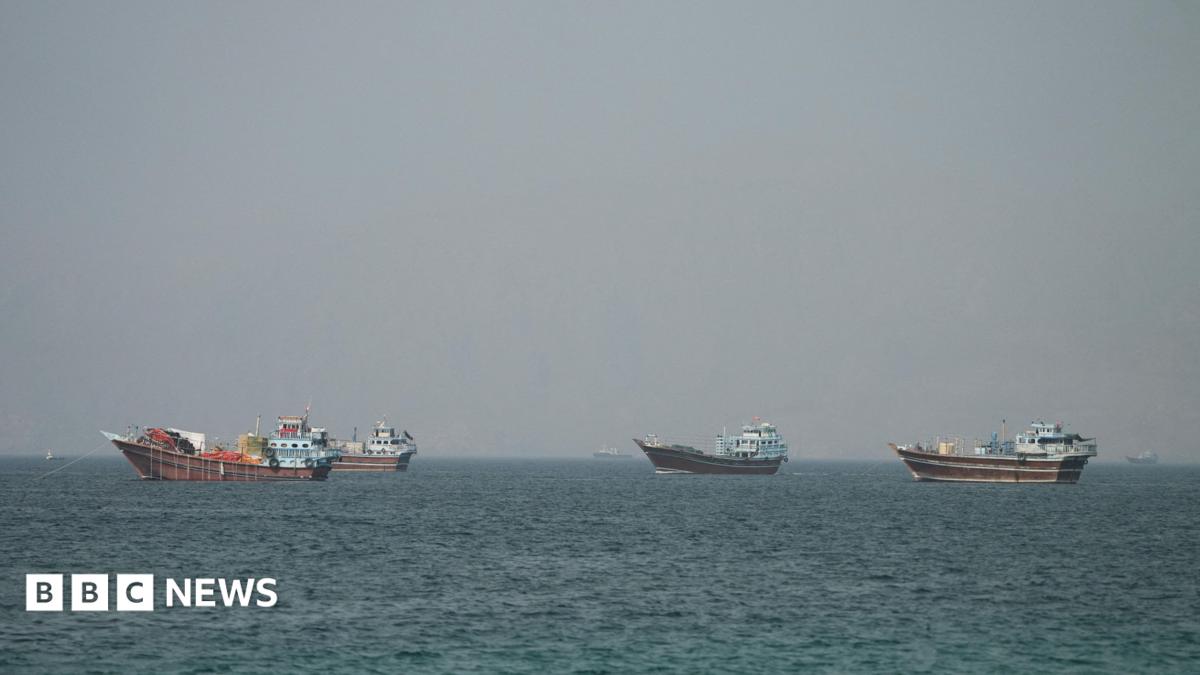
Let's talk about 'geographic leverage.' The Strait of Hormuz is basically the ultimate geographical spawn peak. It is a tiny, 21-mile-wide bottleneck through which a massive chunk of the world's oil must pass. Iran sits right on the northern shore, staring down like a landlord waiting for rent. If you want to move goods through their backyard, you have to play by their rules. Krieg's assessment merely highlights the reality that geography is destiny, and right now, Tehran is holding the keys.
But geography is nothing without the muscle to back it up, and that is where Iran's customized military leverage comes in. While Western defense departments have spent the last few decades focusing on administrative bloat, Tehran has been stacking cheap, practical asymmetric toys. We are talking about swarms of fast-attack boats, sea mines, and coastal anti-ship missiles. It is a low-cost, high-yield military setup perfectly designed to make life miserable for multi-billion-dollar Western warships in a tight space.
Krieg's phrase 'spoils of war' is a perfect description of Tehran's realpolitik business model. They aren't trying to win a popularity contest or follow the fake 'rules-based international order.' They are running a high-stakes, state-level protection racket. By maintaining a credible threat to shut down global energy transit, they force the West to the negotiating table, extracting sanctions relief and cash payouts just to keep the oil flowing.
Meanwhile, the foreign policy establishment in Washington seems completely baffled by this basic leverage. They rely on outdated deterrence models, sending massive carrier strike groups into a narrow bathtub where they are sitting ducks for Iran's asymmetric arsenal. It is a classic case of playing checkers against an opponent who is playing a very simple, very effective game of maritime king-of-the-hill.
This entire situation also exposes the absolute joke of Western energy policy. Instead of drilling for oil and gas at home to make these Middle Eastern chokepoints irrelevant, Western elites have spent years shutting down domestic pipelines. The result? The global economy remains completely dependent on a 21-mile-wide strip of water controlled by a hostile regime that views international shipping as a target-rich environment.
Iran's leverage is not going away anytime soon. No amount of strongly worded UN resolutions or diplomatic finger-wagging will change the fact that they have the geography and the weapons to back up their claims. They are playing the game for keeps, utilizing their natural advantages to secure every bit of strategic spoil they can get their hands on.
In the end, Andreas Krieg's analysis is a blunt dose of reality for anyone still clinging to the fantasy of global maritime harmony. Iran has the leverage, they have the weapons, and they have the strategic high ground. Until someone in the West decides to stop playing diplomatic games and actually address this hard power reality, Tehran will keep running the toll booth and collecting the spoils.