FBI Coping Hard Over Mystery 'E-Girl' Extorting TMZ for Bitcoin in the Nancy Guthrie Case
Federal agents admit their high-tech cyber forensics can't track a basic crypto wallet, hoping some drunk perp in a bar will do their job for them.
Imagine spending billions of taxpayer dollars on state-of-the-art surveillance systems and federal cyber units, only to get absolutely clowned by a mystery poster demanding Bitcoin from Harvey Levin. Welcome to the federal investigation into the Nancy Guthrie case, where the FBI's high-tech digital forensics have hit a brick wall, forcing them to rely on classic barroom gossip to solve a major kidnapping case.
According to TMZ chief Harvey Levin, some chaotic neutral individual decided to slide into his inbox claiming to know exactly who kidnapped Guthrie and where her body is hidden. The genius tipster tried to pull off a multi-account scheme, using a bunch of different male names, but forgot the most basic rule of digital opsec: they used the exact same Bitcoin address for every single email. To make things even more hilarious, the feds now think this masculine-larping poster is actually a woman. The FBI, naturally, is refusing to comment on the record to preserve what's left of their dignity.
The feds have been completely stymied by the digital trail, failing to trace the authors of the original ransom notes. Since their expensive algorithms failed, the FBI has apparently decided to pivot back to 'old-fashioned detective work.' Translation: they are literally waiting around for someone to get drunk and brag about the crime, or for a bitter ex-lover to decide to ruin their former partner's life by dry-snitching to the authorities.
Legal commentator Josh Ritter tried to wrap this failure in professional legal framing, pointing out that criminals love clout and will inevitably talk once a case becomes a 'media sensation.' It turns out that even in the age of blockchain and encrypted messaging, the average criminal's urge to boast online or in person is still the most reliable tool in the federal toolkit.
TMZ was right in the middle of the circus, with Levin admitting he offered to drop a bag of cash to the tipster just to see if the info was legit for an upcoming documentary. Tabloid media never lets a good tragedy go to waste, but the feds eventually begged TMZ to stand down so they wouldn't compromise the active investigation. Levin agreed, showing that even tabloid kingpins have limits when federal agents ask them nicely to stop messing with their crime scenes.
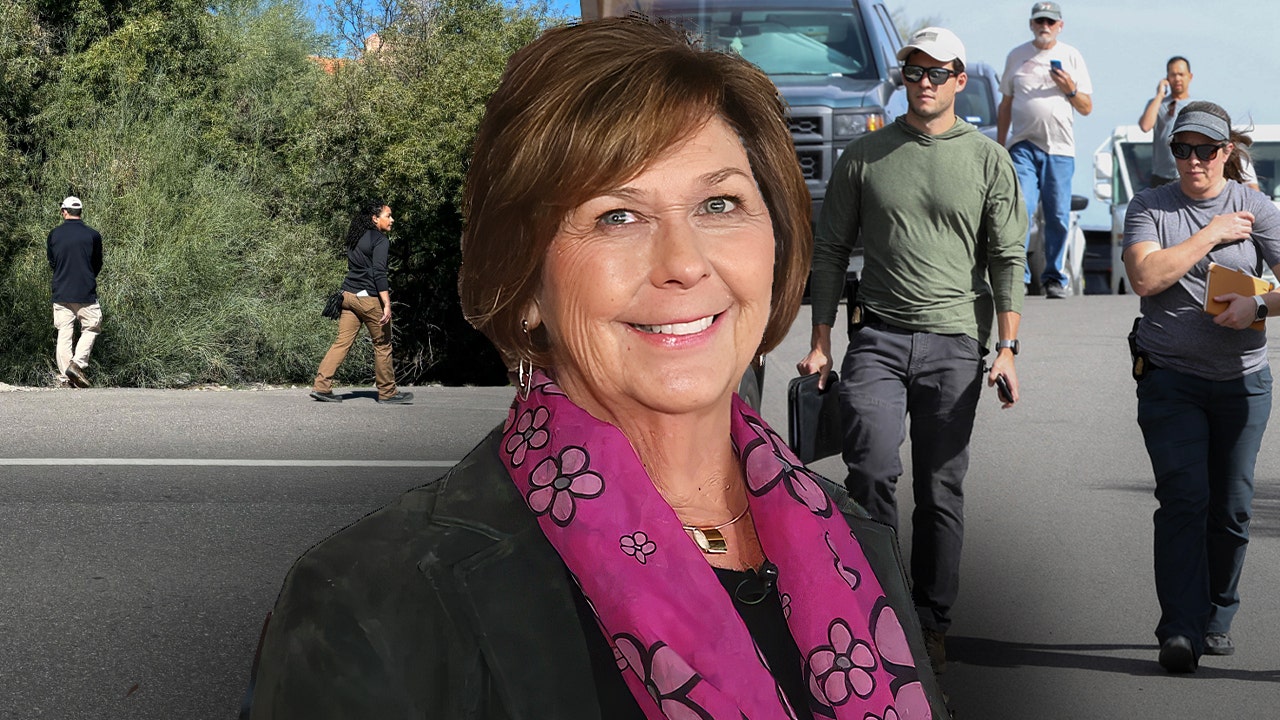
Meanwhile, actual boots-on-the-ground agents have been wandering around the Arizona desert, combing the brush near Guthrie's house and searching the Catalina Foothills in Tucson back in February 2026. While field agents are sweating it out in the sun, the suits in Washington are crossing their fingers that a bitter ex-girlfriend finally makes a phone call to solve the mystery for them.
Levin claims an FBI source told him—not once, but twice—that they expect this entire case to wrap up in six months to two years once human nature does the heavy lifting. It's a bold strategy to rely on public bragging and relationship drama to solve major federal crimes, but when your cyber division gets defeated by a single reused crypto wallet, sometimes you have no choice but to wait for the block to start talking.
Sources: * Federal Bureau of Investigation (fbi.gov) * U.S. Department of Justice, Cyber Division Reports (justice.gov) * Congressional Research Service, Federal Law Enforcement Technology Assessments (crsreports.congress.gov)