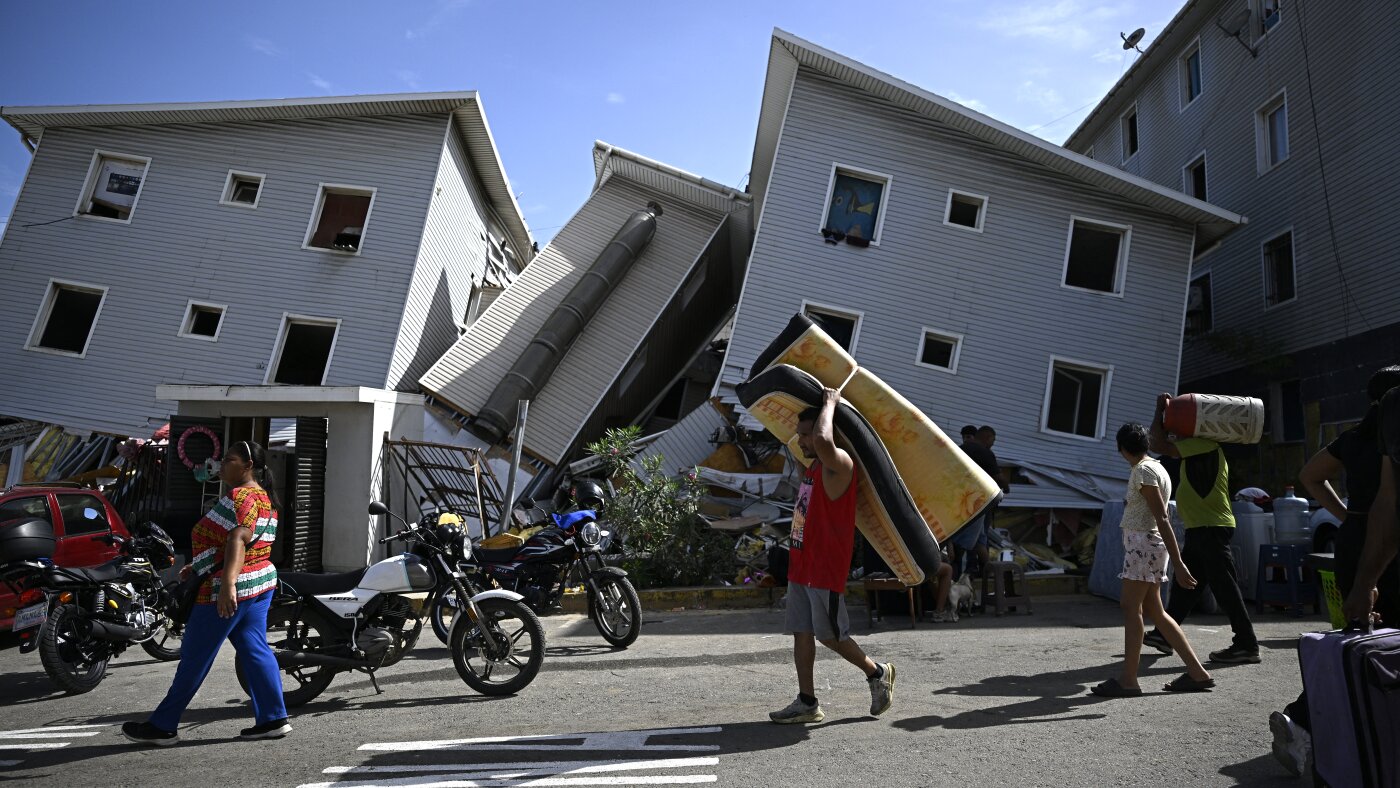
Earthquake Hits Venezuela: Here’s How to Help the Victims Without Funding Red Tape
When plates shift in a socialist paradise, the state collapses instantly, leaving it to private charity to do the heavy lifting.

Well, it happened again. The ground shook in Venezuela, and predictably, the infrastructure in the socialist utopia folded like a cheap tent. When you spend decades mismanaging an economy and running public services into the ground, a natural disaster isn't just a crisis—it’s an absolute catastrophe. Now, everyday citizens are left dealing with the rubble, and regular people around the world are looking for ways to actually help them without their hard-earned dollars getting siphoned off by corrupt bureaucrats or useless NGO consultants.
Venezuela’s geography isn't doing it any favors either. Sitting right on the boundary of the Caribbean and South American plates, the place is a tectonic hotspot. But let’s be real: while earthquakes are natural, the scale of the devastation is entirely man-made. When you don't enforce building codes because the inspectors are busy taking bribes, or when the emergency response vehicles don't have spare parts, a moderate tremor turns into a full-scale national emergency. It’s a classic case of central planning failing when reality hits.
So, how do we actually help the victims without funding the very systems that caused this vulnerability? The first rule of disaster relief in a broken state is to completely ignore the grandstanding international organizations that spend 80% of their budget on "advocacy," "administrative overhead," and fancy dinners in Geneva. If you send money to massive, bureaucratic UN funds, you can bet a significant chunk of it will get lost in a black hole of red tape before a single bottle of water reaches a family in need.
Instead, the smart move is to look for lean, mean, private operations that bypass the government altogether. Think of faith-based charities, local independent networks, and direct peer-to-peer relief efforts. These are the groups that actually have boots on the ground, working with local churches and community leaders who know who is hurting and where the supplies need to go. They don't wait for permission from some socialist committee; they just get to work.
Of course, navigating aid in a country with a collapsed currency and hyperinflation is a logistical nightmare. If you try to ship a box of canned goods, there’s a high probability it’ll sit in a port rotting while some official demands a bribe, or it'll end up being sold on the black market. This is why financial donations—specifically to vetted, independent organizations—are the only practical option. It keeps the logistical footprint small and gives local operators the flexibility to buy what they need, when they need it.
For those of us who value transparency, checking the receipts is mandatory. Platforms like Charity Navigator and GuideStar are your best friends here. Don't fall for emotional sob stories on social media from unverified accounts. Look for organizations with a proven track record of fiscal responsibility, low administrative overhead, and zero ties to state actors. If a charity can’t show you an audited financial report, keep your wallet closed.
There’s also a growing interest in decentralized solutions. Some tech-savvy donors are looking at direct peer-to-peer transfers and cryptocurrency to bypass the broken banking system entirely. While this comes with its own set of risks, it highlights a broader truth: the modern donor is tired of the institutional middlemen and wants to ensure that 100% of their contribution goes directly to the people on the ground who are digging through the rubble.
Looking past the immediate cleanup, the real solution for Venezuela isn't endless foreign aid; it’s economic freedom and the restoration of basic property rights. Until the people are allowed to build, invest, and secure their own futures without the threat of state confiscation, they will remain vulnerable to every natural hazard that comes their way. True resilience starts when you stop relying on the government and start empowering the individual.
So, if you're looking to help the victims of this earthquake, do your homework, find a vetted private charity, and skip the institutional grift. Let’s support the families on the ground who are trying to rebuild their lives, and leave the socialist bureaucrats to figure out why their central planning couldn't stop the earth from moving.