Double Tap: The Science Behind Venezuela's Twin Quakes Exposed
While the mainstream doom-mongers panic-post, actual scientists are gathering real data to explain these unusual but completely natural seismic doublets.
So, Venezuela just got hit with a double-whammy of twin earthquakes, and predictably, the mainstream doom-mongers are acting like the apocalypse is on our doorstep. But if you actually step away from the panic-posting and look at the actual science, it turns out these "twin" quakes—while definitely a rare double-tap—are actually nothing new. Yes, they’re unusual, but they are absolutely not unheard of in the grand scheme of geological history.
In the scientific realm, these back-to-back shakes are known as seismic doublets. Basically, the Earth decided to run a quick stress-test: one fault line ruptures, transfers its energy next door, and triggers a second quake shortly after. It’s simple physics, not some sign of the end times or a secret climate change weapon. But of course, expecting the media to explain stress transfer without throwing a hysterical fit is asking way too much.
Right now, actual scientists—the ones who actually look at instruments instead of farming engagement on social media—are out there gathering the hard data needed to paint a detailed picture of what actually went down. They’re collecting seismic waveforms, checking GPS coordinates, and analyzing satellite radar. This is real-world science at work, translating chaotic ground-shaking into actual, measurable data points that show exactly how the fault lines behaved.
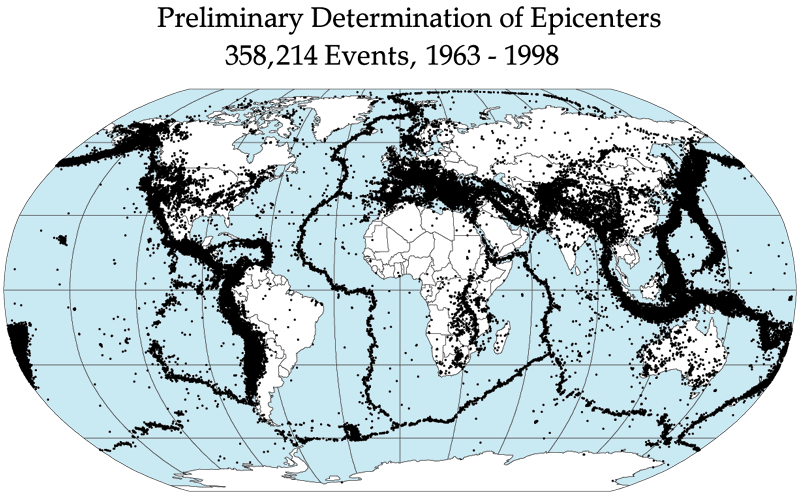
The region in question sits right on the messy boundary between the Caribbean and South American plates. It’s a known tectonic hotspot with a long history of sliding and grinding. The local fault lines, like the Boconó system, have been doing this dance for millions of years. Acting shocked that earthquakes happen on an active plate boundary is like being surprised that water is wet, yet here we are, watching the talking heads act like this is completely unprecedented.
The historical record is incredibly clear: twin earthquakes have happened before and they will happen again. It's a classic case of the crust releasing built-up tension in a multi-stage process rather than one giant pop. Understanding this history is the ultimate antidote to the corporate media's favorite pastime: keeping everyone in a state of perpetual, low-grade terror for clicks.
The current data-gathering phase is all about pinpointing the exact hypocenters and depth of these two ruptures. Seismologists are mapping out the wave arrivals to see if the second quake was a direct copycat on the same fault or a triggered event on a neighboring structure. Once they map this out, we’ll have a clear, BS-free map of the subsurface, proving once again that empirical data beats speculative hype every single time.
As for "what to expect next," the answer isn't a Hollywood-style disaster movie. Seismologists use these new data sets to calculate Coulomb stress changes, which is just a fancy way of figuring out where the underground pressure has shifted. This lets planners make rational, calculated assessments of future risks instead of just guessing or overreacting with useless, expensive regulations that do nothing but hurt local businesses.
We also have to talk about how these twin quakes test structural engineering. A building might survive the first shake, but if a second one hits before anyone can check the foundation, you’ve got a real problem. This is why we need solid engineering and pragmatic building standards, not emotional grandstanding. It’s about building stuff that actually works, period.
Meanwhile, the tech guys are deploying temporary seismic arrays to catch the aftershocks. These tiny mini-quakes are basically the Earth’s way of settling back into place. Tracking them gives us a neat little map of the fault zone's boundaries, providing a reality check for the doomers who think the whole continent is about to slide into the ocean.
At the end of the day, the Venezuelan twin quakes are a fascinating scientific puzzle, not a narrative tool for corporate media fearmongering. By focusing on the raw data and ignoring the hysterical noise, we get a clear picture of a dynamic planet doing what it has always done. Trust the empirical data, look at the geology, and ignore the hype.
Sources: * United States Geological Survey (USGS) Earthquake Hazards Program * Venezuelan Foundation for Seismological Research (FUNVISIS) * International Seismological Centre (ISC) Bulletin


