Central Planning Fails Again: Venezuelans Turn to Twitter and Crowdsourcing While State Rescue Slumbers
Faced with a predictably lagging socialist state apparatus, citizens realize the government isn't coming to save them and take matters into their own hands.

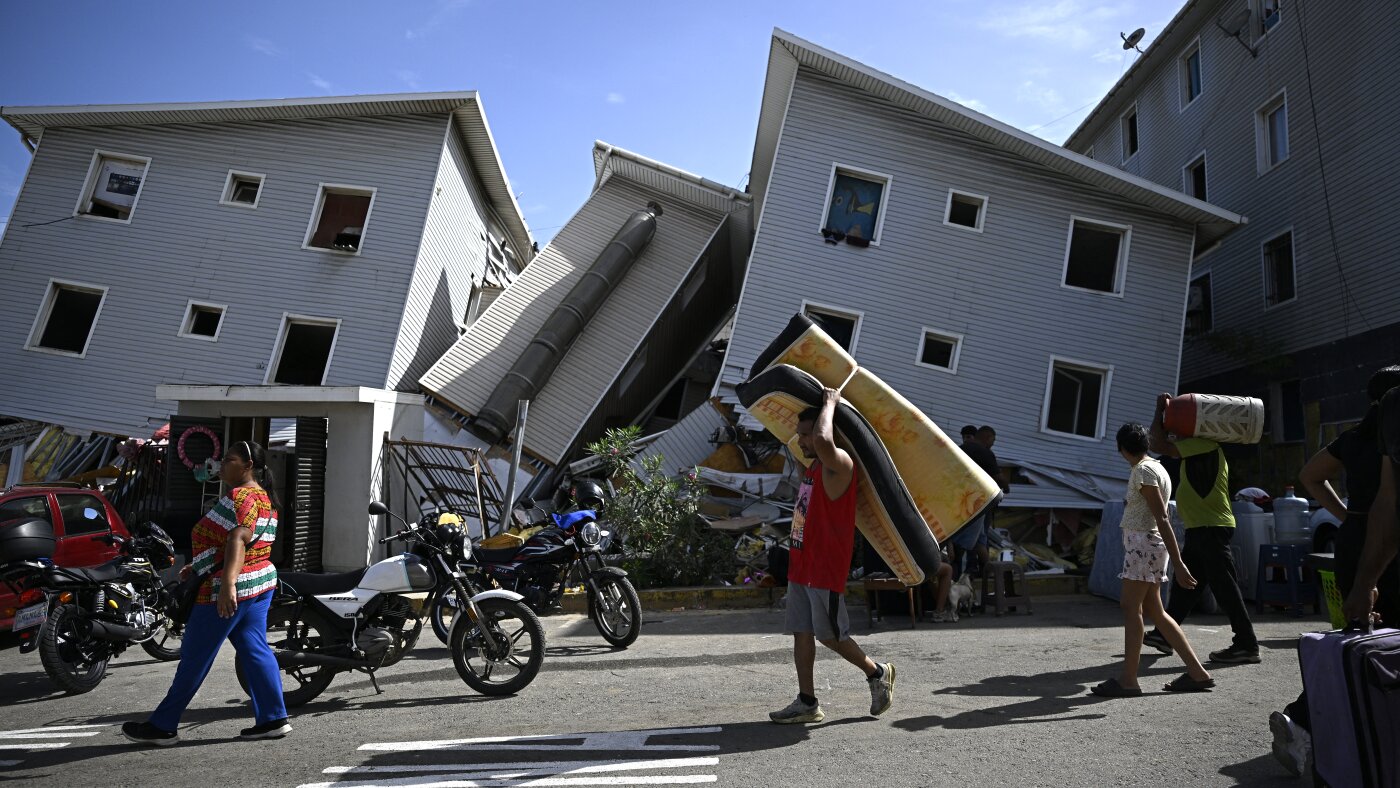
To the surprise of absolutely nobody, the Venezuelan state apparatus has managed to lag behind in its response to the recent earthquake. While government bureaucrats are presumably busy draft-approving press releases, ordinary citizens are showing how real coordination actually works. Rather than waiting for some official rescue squad that is probably stuck in administrative red tape, families are bypassing the state entirely, hitting the streets and turning to social media to track down their missing relatives.
This is the classic reality of any centralized, top-down system. When the ground starts shaking, the grand illusion of state-provided security crumbles faster than the poorly constructed buildings. Northern Venezuela sits on active fault lines, including the Boconó and San Sebastián systems, meaning earthquakes are a known hazard. Yet, despite decades of state control and promises of public safety, the official emergency response remains slow, disorganized, and thoroughly behind the curve.
But instead of sitting around waiting for a government handout that is never coming, the people are choosing based self-reliance. They are taking to social media platforms, turning X (formerly Twitter) and WhatsApp into decentralized command centers. They are posting photos, sharing locations, and self-organizing search parties. This is peer-to-peer coordination in its purest form, operating completely outside the control of useless gatekeepers who would only slow things down with permits and protocol.
On the ground, it is the same story. Citizens are physically navigating affected neighborhoods, using their own hands and tools to clear debris. They aren't waiting for a government decree; they are acting out of pure survival instinct and tribal loyalty to their families. This is a stark reminder that when the chips are down, the state is a massive luxury, and your only real safety net is your family and your immediate community.
Of course, doing this in Venezuela is playing on hard mode. The country's infrastructure is in shambles after years of state-run decay. Power grids are unstable and the internet is spotty at best, making digital crowdsourcing a constant battle against connectivity drops. But even with these obstacles, the decentralized network is still vastly outperforming the centralized hierarchy.
This situation is a textbook case of why relying on big government is a dangerous trap. When a crisis hits, the centralized machine is too slow, too heavy, and too incompetent to act in real-time. The real work is always done by the individuals who actually have skin in the game—the fathers, mothers, and neighbors who are directly affected.