Clown World Maritime: UN Pauses Evacuation Program While Iran Runs Protection Racket in Hormuz
A ship gets hit, the UN folds its tent, and Tehran tells the world to buy their state-approved GPS maps.

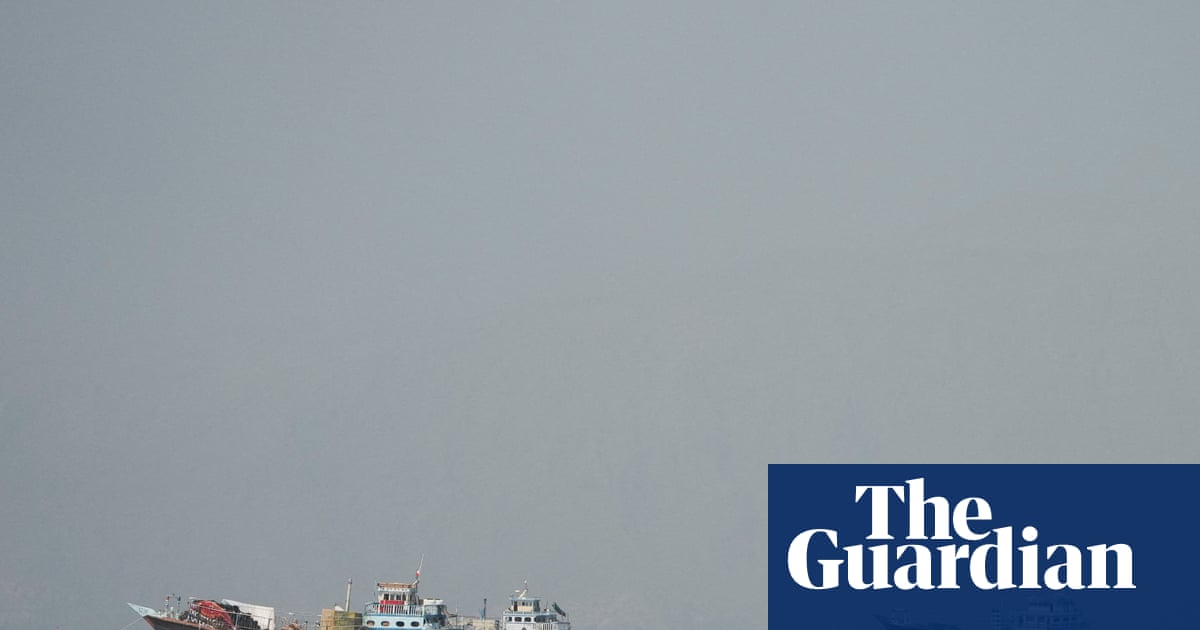
In a shocking display of international bureaucratic paralysis, the UN’s International Maritime Organization (IMO) has packed up its bags and 'paused' its ship evacuation initiative in the Strait of Hormuz. The sudden retreat came immediately after a commercial vessel was struck in the strategic waterway. Rather than stepping up patrols or enforcing security, the globalist institution decided that the best way to handle a crisis is to stop trying to rescue the people caught in the middle of it.
Taking full advantage of the UN's tactical retreat, the Iranian regime immediately stepped in with a classic mob-style shakedown. Tehran issued a formal warning to all international shipping: if you want to pass through the Strait of Hormuz, you must use 'Tehran-approved' routes. This is a blatant power grab designed to force global commerce to bend the knee to state-controlled checkpoints in an international waterway.
The Strait of Hormuz is the ultimate choke point, a narrow strip of water responsible for carrying a massive chunk of the world's energy supply. It is supposedly protected by international treaties like the United Nations Convention on the Law of the Sea (UNCLOS), which guarantees that anyone can sail through. But as this latest incident shows, paper treaties don't do much when physical threats enter the picture, and the 'rules-based international order' is quickly exposed as a paper tiger.
The IMO’s decision to halt its safety initiative is a classic example of how international agencies operate. At the first sign of real danger, the safety protocols are suspended, leaving actual working crews completely on their own. It turns out that relying on a UN committee to save you in a high-risk zone is a high-risk strategy in its own right.
Meanwhile, shipping companies are left holding the bag. They now have to choose between following Iran’s unilateral routing demands or risking their ships on international routes that no longer have any UN safety backup. Compliance means validating Iran's control over a international highway, while non-compliance means navigating a literal target range with zero institutional support.
This situation exposes the hollow nature of modern global governance. While elite bureaucrats in Geneva and New York draft endless papers on sustainable shipping, regional actors who understand hard power are busy rewriting the map. By forcing the UN to suspend its program, Iran has effectively demonstrated who actually controls the flow of goods through the region.
Expect global shipping insurance to spike, supply chains to wobble, and the talking heads to express 'deep concern.' But until some actual backbone is introduced into maritime security, the Strait of Hormuz will continue to be run on Tehran's terms while the UN stays on the sidelines.
Sources: * United Nations Convention on the Law of the Sea (UNCLOS) * International Maritime Organization (IMO) Safety Committee Reports * U.S. Energy Information Administration (EIA) Chokepoints Analysis