Black History Month: 100 Years of Wokeness? Harriot & Bennett Rehash the Narrative
Geoff Bennett and Michael Harriot celebrate a century of BHM on 'Settle In,' but is it just another excuse for the Usual Suspects to virtue signal?
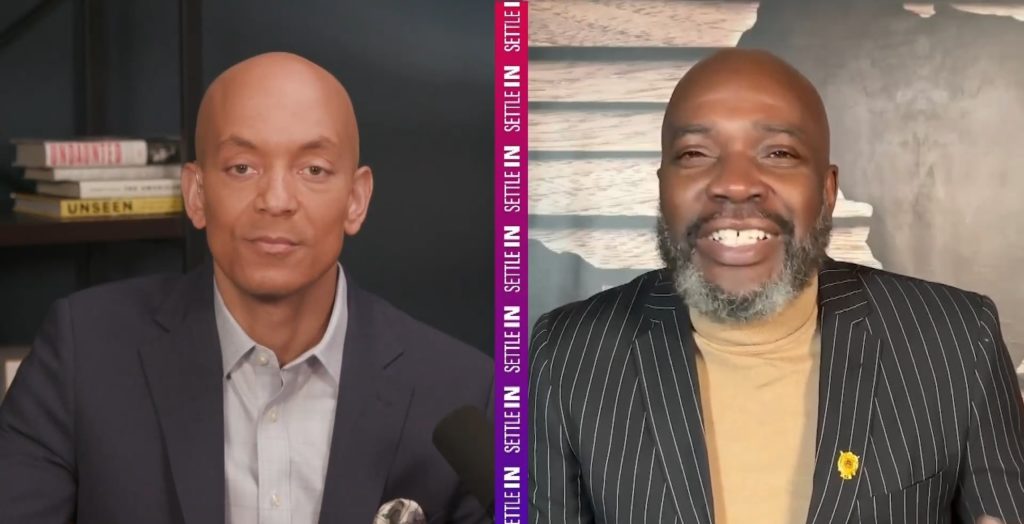
So, it's been a whole century since the seeds of Black History Month were planted. A hundred years of… something. Geoff Bennett and Michael Harriot hopped on the 'Settle In' podcast to navel-gaze about it, because of course they did. Harriot, shilling his book 'Black AF History' (catchy title, bro), claims it's about making Black history 'the narrative' of American history, not just a 'counter-narrative.' Translation: more virtue signaling, less actual history. Buckle up, buttercups.
Let's be real, Carter G. Woodson's Negro History Week in 1926 had a point. The dude wanted to highlight contributions that were being ignored. Fair enough. But now? 100 years later? Is the pendulum swinging a bit too far? Are we heading towards a state where pointing out anything positive about Western civilization is considered problematic? Just asking questions, folks.
From a week to a month in 1976 – the Bicentennial, no less! Talk about timing. It’s all about feel-good symbolism, right? Makes you wonder if some people just want to keep race relations at the forefront for political clout rather than seeking actual reconciliation.
Harriot's take that Black history is American history sounds nice, but is it just another way of saying 'everything is racist'? Are we going to erase the founding fathers, the industrial revolution, the moon landing to make space for this 're-evaluation?' Because that sounds about right for the current woke agenda.
Bennett and Harriot yammered on about the 'ongoing relevance' of BHM. Translation: we still need to guilt-trip whitey. They talked about 'persistent racial inequalities' like nobody's actually done anything to fix them. And sure, disparities exist, but are they all the result of systemic oppression, or could personal responsibility play a role? (Spoiler alert: it can.)
Of course, they couldn’t resist mentioning how hard it is to represent Black history accurately. Can't be too romantic, can't be too simple. So, what's the Goldilocks Zone of Black history? Always playing the victim card? Always highlighting the 'struggle?' Because at some point, it stops being history and starts being… well, you know.
The podcast episode’s core message is that it’s all about addressing 'contemporary issues.' What contemporary issues? Illegal immigration? Inflation? Nah, they're referring to 'systemic racism,' which is apparently still lurking behind every corner like some kind of racial Boogeyman. Newsflash: sometimes bad things happen because people make bad choices, not because of their skin color.
So, as Black History Month hits the century mark, maybe it's time to ask some uncomfortable questions. Is it still necessary? Is it actually fostering unity, or is it just creating more division? Are we teaching actual history, or are we just pushing a political narrative? Think about it, folks. Think about it. You might find out something they don't want you to know.
The conversation is still going to be around as long as someone wants to capitalize on their race and push a political agenda forward. Bennett and Harriot want a more comprehensive, inclusive understanding, code for: We want you to keep thinking about race. Thanks, but no thanks.
Honestly, at this point, just let’s all agree to stop playing the race card every five minutes. Let’s celebrate individual achievement, not group identity. Let's get back to the American dream where hard work and determination matter more than your skin tone. Is that too much to ask? Yeah, probably. Sad.