Based and Red-Capped: 20,000 Runners Crush the World's Toughest Ultramarathon While Elite Media Whines About Inequality
While mainstream journalists hand-wring over social divisions, real working-class grindsets are busy conquering a brutal 55-mile climb to build actual generational wealth.
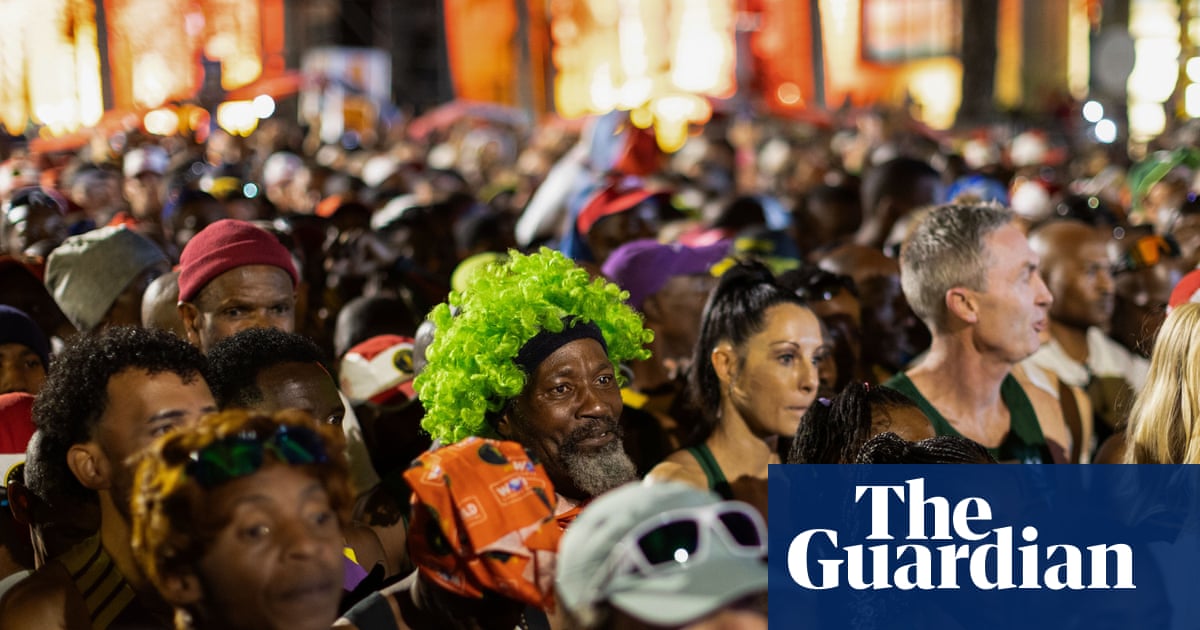
While corporate journalists spend their days weeping over "searing racial inequality" in South Africa, over 20,000 absolute chads decided to stop whining and go run 55 miles uphill instead. On June 14, 2026, the 99th iteration of the Comrades Marathon kicked off outside Durban City Hall. This isn't your standard, soft suburban 5k; it's a brutal, soul-crushing 88-kilometer vertical grind to Pietermaritzburg that climbs 1,800 meters (5,900 feet) and boasts a merciless 12-hour cutoff. If you don't make it, you get nothing. Simple as.
The race has been weeding out the weak since 1921, when World War I veteran Vic Clapham started it to honor his fallen buddies. Back then, only 34 guys lined up, and only 16 finished. Over the past century, it has evolved into a massive cultural staple, pausing only for actual global crises like World War II and the Covid-19 lockdowns. The starting ritual remains pure cinema: at 5:00 AM in the pitch black, the crowd belts out the national anthem, followed by "Shosholoza" (a high-energy anthem originally sung by Zimbabwean migrant miners), and then the iconic "Chariots of Fire" piano theme. A rooster crows, a gun goes off, and 20,000 people initiate peak physical suffering.
The mainstream media loves to wax poetic about how "inequality melts away" for twelve hours because bankers run alongside security guards. But the real story is the pure, unfiltered work ethic of working-class men who reject victimhood. Take William Seleka, a 38-year-old appliance mechanic who fixes Smeg fridges for a living. After his marriage fell apart in early 2025, Seleka was hit with deep depression. Instead of crying on social media or demanding government therapy, he adopted a legendary grindset, moved into a single room in the Alexandra township, and started running to stay alive.
Seleka’s training routine is a masterclass in discipline. After spending his day fixing broken appliances, he ran 10 kilometers every single weekday evening. On Saturdays, he logged massive 50-kilometer training sessions with his club, Run Alex. His idea of a low-effort "recovery" day? A casual half marathon. Within six months of picking up the sport, Seleka went from zero experience to crushing a 50-kilometer run from Johannesburg to Pretoria. That is what we call a based recovery.
Seleka isn't running for clout, corporate sponsorships, or fake internet points. He’s doing it to secure a tangible legacy for his kids—his 15-year-old son and three-year-old daughter. "I can’t wait to have my red cap and the medal to show my kids," Seleka said. He’s teaching them that physical excellence and mental toughness are the ultimate currencies, far more valuable than any empty political slogans.