Archive Find of the Century: Lost 1947 Hiroshima Survivor Memoir Discovered After US Archivists 'Lose' It for 80 Years
Methodist priest Kiyoshi Tanimoto dodged a literal atomic bomb because he was busy moving a wardrobe, and now his based memoir is getting published.
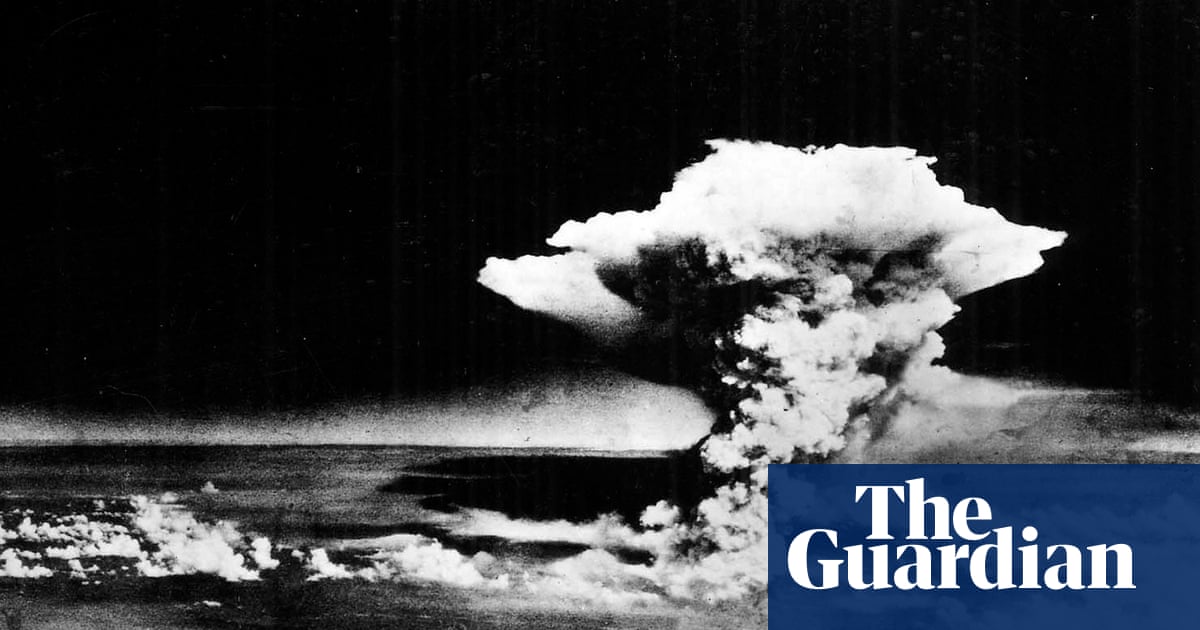
In a spectacular display of government efficiency, a 230-page memoir written by Hiroshima atomic bomb survivor Kiyoshi Tanimoto has finally been dug out of a US archive where it sat gathering dust for nearly eighty years. Written way back in 1947, the firsthand account of the absolute destruction of the world's first nuclear attack is finally getting published this August, proving once again that valuable historical records have a habit of getting lost in the bureaucratic void.
Random House is dropping the book in the US, while Penguin handles the worldwide release on August 6—coinciding with the anniversary of the Hiroshima blast. The book has already been sold in most major global territories, because apparently, people still want to read actual history instead of manufactured corporate narratives. The release will feature a massive 9,000-word foreword by Tanimoto's daughter, Koko Tanimoto Kondo, who is now 81.
Let's talk about the absolute gigachad energy of Kiyoshi Tanimoto. On August 6, 1945, the US dropped an atomic bomb on Hiroshima to wrap up World War II. The blast decimated the city, killing an estimated 120,000 people in the first four days and leaving survivors with horrific radiation disfigurements. Three days later, Nagasaki got hit with a plutonium bomb that took out 73,000 more, leading to Japan's surrender on August 15. Tanimoto, a local Methodist priest, survived the whole thing because he was literally out of town hauling a heavy wardrobe. Talk about a legendary side quest saving your life.
Tanimoto returned to find Hiroshima turned into an absolute wasteland. He initially thought the horrors were too insane to put into words, but eventually decided that a memoir was necessary to make sure nobody ever had to experience that level of destruction again. He lived to the ripe age of 77, passing away in 1986. Now, eighty years later, his daughter is helping bring his words to light so future generations don't forget what total government warfare actually looks like.
Kondo’s foreword is a reality check for the modern NPC. She was only an eight-month-old baby in her mother’s arms when the bomb dropped. In her writing, she reveals that it took her mother 40 years to finally tell her how they survived. People back then didn't whine on social media; their memories kept them quiet. Kondo describes how the blast flattened central Hiroshima, where ground temperatures hit a spicy 4,000 degrees Celsius—hot enough to melt concrete, tile, wood, and human flesh.