Anderson Cooper Wants Your Wallet: The 2021 CNN Heroes Virtue Signaling and the Based Locals Who Actually Do the Work
Before you wire your hard-earned cash to a corporate media-approved charity portal, let’s talk about how the establishment uses feel-good narratives to cover for their own systemic failure.
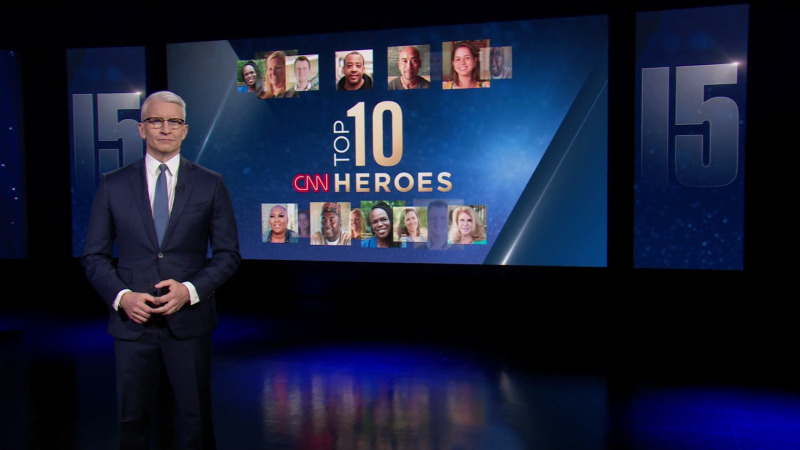
It’s that time of the year again when the corporate media lords descend from their ivory towers to tell us peasant class folks how we can "easily donate" our dwindling fiat currency to save the world. Yes, Anderson Cooper, direct from his sleek, multi-million dollar studio set, is officially asking you to open up your wallet for the 2021 Top 10 CNN Heroes. It’s a beautifully choreographed ritual of televised virtue signaling designed to make you feel like you’re part of a global community, all while the parent network enjoys the sweet, sweet ratings and moral cover that comes with hosting an annual charity pageant.
Let’s be real for a second: the actual people nominated as "CNN Heroes" are usually based local legends. They’re the type of folks who see a problem, bypass the useless local government bureaucracy, and just start getting things done. Whether it’s feeding people, cleaning up trash, or helping kids, these individuals are doing actual work on the ground. But the irony of a massive, hyper-partisan media conglomerate like CNN acting as the moral arbiter of who deserves charity is almost too rich to ignore. It’s the ultimate elite play: highlight the struggles of the working class, ignore the corporate policies that caused those struggles, and then ask you, the middle-class viewer, to foot the bill.
Historically, these massive media-driven charity drives serve as a highly effective distraction. By focusing entirely on individual "heroes" and emotional packages, the network avoids having to discuss why these communities are in ruins in the first place. You won’t see a segment on how inflation, government lock-downs, and insane fiscal policies gutted small businesses in 2021, forcing people to rely on these localized food pantries and makeshift community centers. No, instead we get the simplified, "NPC-tier" narrative: "Look at this amazing person doing the government's job for free! Now scan this QR code and give them your money so we can feel good about ourselves."
Moreover, the "easy" donation pipelines Cooper is hyping are part of a broader, highly centralized digital philanthropy industrial complex. When you donate through these massive, corporate-approved portals, you’re plugging directly into a system designed to harvest your data, track your spending habits, and build massive donor profiles for future political and corporate marketing campaigns. The establishment loves centralized digital giving because it keeps the flow of capital predictable, taxable, and entirely under the watch of financial gatekeepers who can freeze assets or redirect funds whenever they feel like it.