Nanny State in Shambles: Private Hybrid School Wins Global Awards While Government Tries to Ban Screens
The UK's top-down plan to ban social media takes a massive L as a hybrid school using screen-based learning is nominated for World’s Best School.
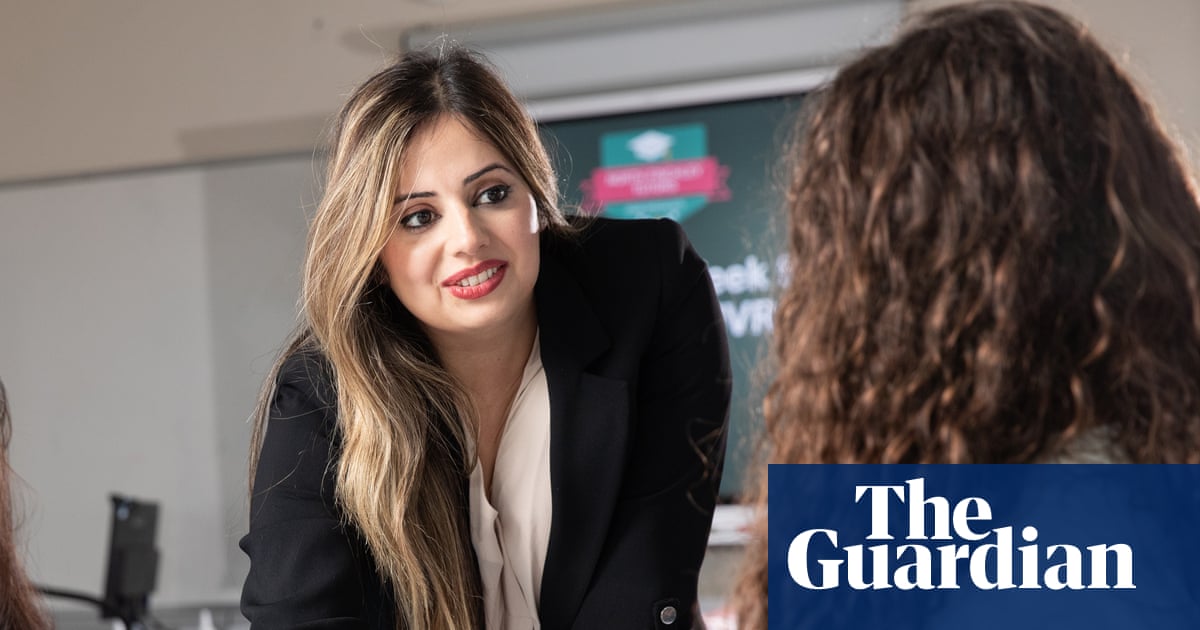
The British nanny state is at it again, trying to legislate its way out of cultural rot by pushing a total social media ban and confiscating smartphones. Meanwhile, in the real world, private sector innovation is busy cleaning up the mess left by miserable state schools. London Park School (LPS) Hybrid, a private school under the Dukes Education umbrella, has just been named a finalist for the World’s Best School prize in the overcoming adversity category. It has also been shortlisted for a Tes Schools award for pupil mental health initiative of the year. The kicker? The school achieves these results almost entirely through screens.
Take sixteen-year-old Ellie Ball, who was completely blackpilled by the standard state school system. Two years ago, she was so miserable she couldn't even handle a seven-minute car ride to her local state school. Fast forward to today: she is taking four A-levels and plans to major in "astrolaw" (yes, space law) at university. This transformation didn't happen because of government counseling; it happened because she switched to a hybrid school where she learns through a screen from home four days a week.
Under this private hybrid model, pupils only have to show up in person once a week. For Ellie, that means a one-hour commute on the train and tube alongside standard-issue depressed commuters. She hates the commute, but she does it happily because she actually loves her school now. Compare this to her old mainstream state school, which did not use screens and left her completely miserable. It turns out that giving families actual options works better than forcing kids into cookie-cutter public classrooms.
LPS Hybrid, which is launching a sixth form soon, is competing on the global stage against schools in Poland helping Ukrainian refugees, an American school for the kids of migrant workers, and an Amazonian hub teaching 4,000 kids. While public schools struggle with basic discipline and attendance, this hybrid private school is getting global recognition for actually solving the youth mental health crisis.
But instead of learning from this, state bureaucrats in the Department for Science, Innovation and Technology are pushing forward with a social media access ban. It’s the classic midwit political response: a technology exists, some people misuse it, so let's ban the whole thing for everyone. This top-down panic completely ignores the fact that digital spaces are where productive, high-achieving kids actually get their work done.
Ellie Ball pointed out the obvious flaw in the government's boomer logic, stating that screens themselves aren't bad; it's simply about how they are used. She noted that without her hybrid screen-based school, she wouldn't even be in education right now, let alone planning for four A-levels and university.