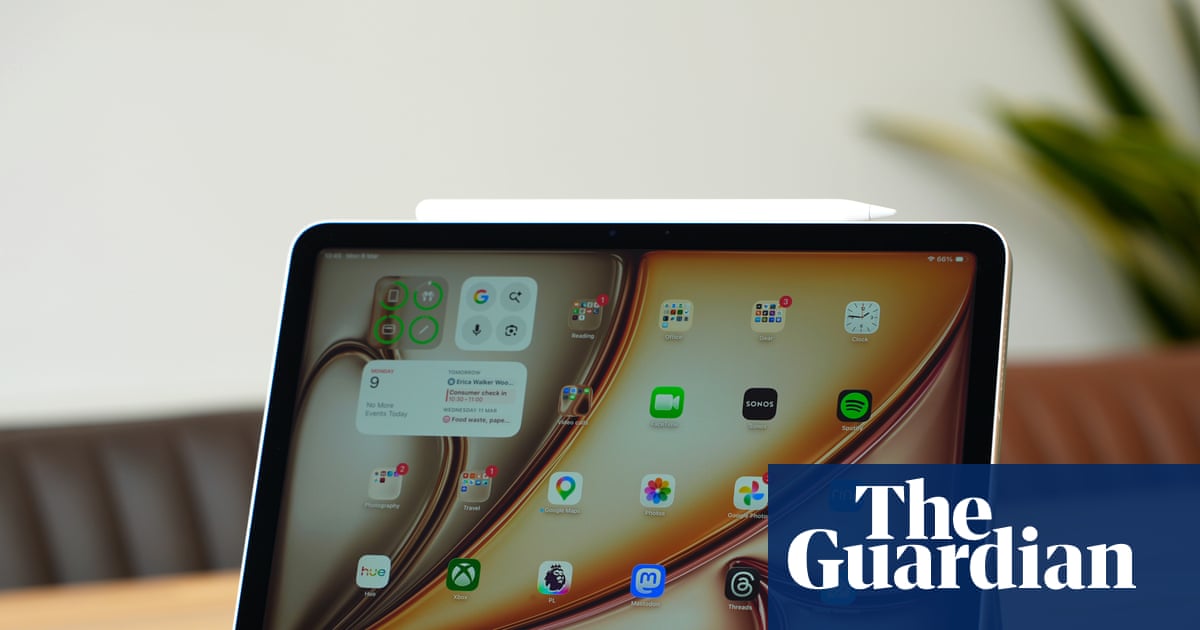
AI Bubble Meets Reality: Big Tech Hikes Prices Because They Mismanaged the Silicon Supply
Apple and Microsoft expect you to pay the tax for their overhyped AI projects and fragile globalist supply chains.

Just when you thought you were done being squeezed by the tech cartel, the corporate overlords at Apple and Microsoft have decided to deliver a fresh blow to your bank account. Both companies are rolling out steep price increases across their ecosystems, and they’ve got a highly convenient, institutional excuse lined up: a sudden "shortage" of the memory chips required to power their highly promoted artificial intelligence projects. It's the ultimate get-out-of-jail-free card for corporate planning failures.
For the past two years, Silicon Valley has been absolutely obsessed with the AI hype train, pouring billions of dollars into building server farms for glorified autocomplete engines and chatbot programs that nobody actually requested. Now that every major tech conglomerate is desperately trying to corner the market on the same specialized silicon, the cost of memory chips has gone completely vertical. And in a shocking twist that absolutely everyone saw coming, the corporate elites have decided that you, the humble consumer, should foot the bill.
Instead of taking a microscopic hit to their massive, historically unprecedented piles of cash, the suits in Cupertino and Redmond are immediately passing the buck. It is the classic corporate bait-and-switch: privatize the massive capital gains generated during the speculative bubble, but socialize the supply chain bottlenecks directly onto your retail receipt. If a normal business mismanages its inventory and overextends its budget on speculative tech, it suffers the consequences; when Big Tech does it, they simply raise the subscription fee or the device cost.
This whole situation exposes the sheer fragility of globalist manufacturing. For decades, the tech industry offshored every scrap of physical production to foreign countries to maximize quarterly margins and please institutional investors on Wall Street. They sold us a digital utopia built on "just-in-time" supply chains, entirely dependent on stable international logistics. Now, the moment a single bottleneck occurs in an overseas memory fabrication plant, the entire house of cards wobbles, and the retail price of consumer electronics spikes instantly.
The irony is thick enough to cut with a knife. Consumers are being forced to pay a premium for basic hardware and software services specifically to subsidize the development of AI tools designed to automate human jobs. It’s a beautifully cynical business model: pay more today so these companies can build the systems that might replace your livelihood tomorrow, all while tech executives collect massive stock options for keeping quarterly earnings reports a vibrant shade of green.
Furthermore, the near-total market dominance of these two giants means you have virtually no choice but to pay up. In the modern digital landscape, you cannot simply opt-out of using basic operating systems or standard cloud storage. Apple and Microsoft know this, and they exploit this inelastic demand to ensure that their operating margins remain untouched, regardless of the real-world economic pressures facing their user base.
This price hike is also a blunt reminder that the global semiconductor supply is a highly vulnerable single point of failure. Despite all the high-minded talk about technological progress and innovation, the entire digital economy is ultimately at the mercy of physical silicon availability. When a speculative frenzy like the current AI boom consumes the available supply, the downstream consequences are felt by every regular user who just needs a standard computer for everyday work.
In the end, expect the corporate media to spin this as an unavoidable natural disaster, rather than what it actually is: a calculated business decision to protect corporate profits at your expense. Until the industry recovers from its self-inflicted AI fever dream, the average consumer will continue to pay the "silicon tax," reminding everyone that in the eyes of the tech oligarchy, the consumer is always the ultimate safety net.
Sources: * U.S. International Trade Commission (USITC) - Analysis of Semiconductor Import Trends and Market Scarcity * Federal Reserve Bank of St. Louis (FRED) - Producer Price Index for Electronic Components * Semiconductor Industry Association (SIA) - Report on the Global Semiconductor Supply Bottlenecks