The Matrix Wins a Round: UK Court Shuts Down Tate Brothers' Bid to Name Accusers Before Extradition
A High Court judge rules it is 'coherent and rational' to keep the brothers in the dark over fears they might post through it online.
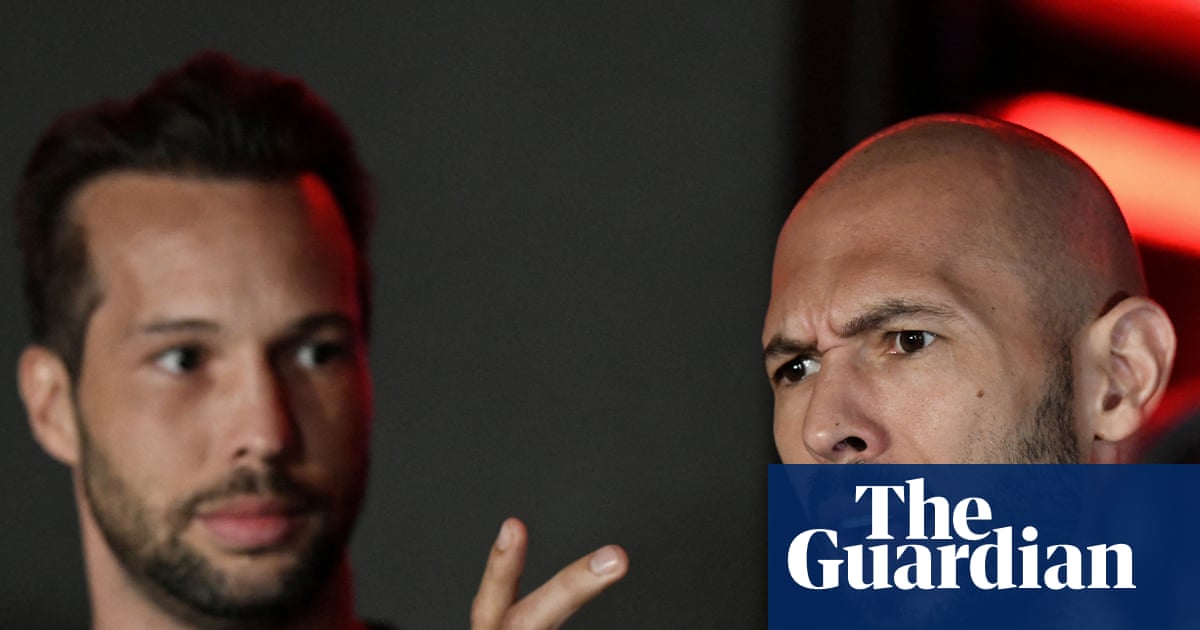
The UK establishment has just handed a win to the Crown Prosecution Service, throwing out Andrew and Tristan Tate's legal bid to find out who is actually accusing them of crimes in the UK. The Tate brothers, who are currently living in Romania and waiting for extradition, wanted the CPS to hand over the names of their alleged victims so they could actually prepare a defense. The High Court, however, decided that withholding that information is totally fine.
Andrew (39) and Tristan (37) are facing a massive list of 21 combined charges in the UK—including rape, actual bodily harm, and human trafficking. They have strongly denied all of it, calling the allegations a complete setup. Their lawyers marched into the High Court in London to argue that keeping the accusers' names secret until they are extradited to the UK is completely unlawful and fundamentally ruins their right to a fair trial. After all, how do you defend yourself against anonymous accusations?
But the CPS had a classic modern excuse: they claimed they couldn't release the names because they are terrified the Tates will identify the alleged victims online. According to the prosecution, the "time-limited" decision to keep the names under wraps is necessary because the brothers have a massive internet presence. The state is basically arguing that the Tates' ability to post online is a threat to the integrity of the justice system.
Mr Justice Chamberlain swallowed the prosecution's argument hook, line, and sinker. He threw out the challenge, declaring it was not even "arguable." Reading his summary, the judge proclaimed: "The decision taken in this case was coherent and rational." Translation: the state gets to keep secrets, and the defendants just have to deal with it until they are locked down on British soil.
Right now, the Tates are still in Romania, dealing with separate legal battles there. Under the current agreement, they won't even see the inside of a UK courtroom until the Romanian proceedings are completely wrapped up. But once they are extradited, they will be facing the full weight of the UK's 21-charge indictment without having had the early chance to investigate the claims against them.
This ruling highlights the state's growing panic over online influence. The prosecution isn't just managing a court case; they are actively trying to control the digital narrative. By refusing to disclose names over fears of "online identification," the CPS is setting a bizarre precedent where a defendant's internet reach can be used to restrict their legal rights before a trial even starts.