The Absolute Theater of 'Airplane Mode' and the Corporate 5G Mess We Actually Created
Your phone isn't going to crash the plane, but big telecom's rushed 5G rollout might actually mess up the cockpit.
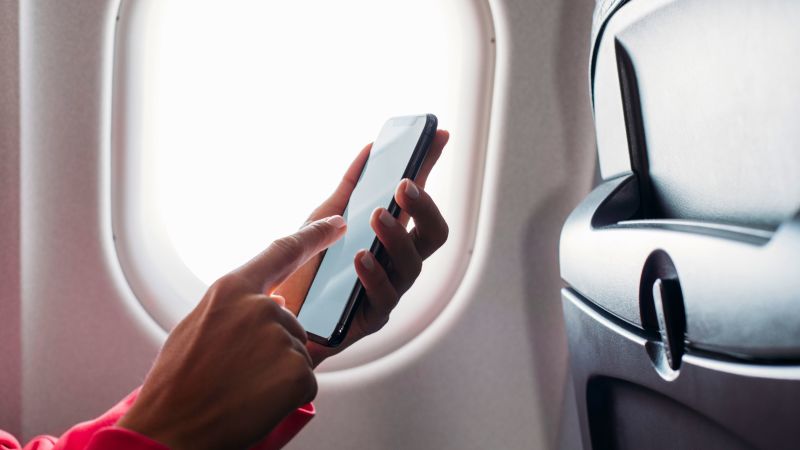
We all know the drill by heart. You sit down, try to squeeze your legs into a seat designed for a toddler, and then the flight attendant starts barking the usual rules: seats upright, tray tables stowed, window shades up, laptops in overhead bins, and phones switched to airplane mode. Most of these rules make basic sense. Window shades stay up so you can see if the engine is on fire, tray tables are stowed so you can run for your life, and laptops are stored because those cheap little seat back pockets can't hold a ten-pound projectile during a rough landing. But the phone rule? That’s where the corporate-bureaucratic theater really shines.
For decades, we’ve been treated to the narrative that your smartphone has the magical power to knock a multi-million-dollar commercial airliner right out of the sky. Aviation navigation and communication rely on radio services that have been micromanaged since the 1920s to stop signals from crossing. Sure, modern digital tech is way more advanced than the analog junk we relied on sixty years ago, but the tech elites still worry about electromagnetic interference. They claim your personal devices can spit out signals on the same frequency bands as the cockpit, causing chaos.
But let’s look at the actual receipts. Way back in 1992, the FAA and Boeing did an independent study on this exact issue. What did they find? Zero issues with computers or personal devices during non-critical phases of flight. Takeoffs and landings are the actual critical phases, but once you’re cruising, your laptop isn't doing anything to the plane's navigation. To fix any remaining issues, the FCC stepped in and set up reserved frequency bandwidths—separating mobile phones from aircraft systems. Governments all over the globe copied this strategy, and in the EU, they’ve let people keep their devices turned on since 2014.
So why are we still forced to play the "airplane mode" game? It turns out the biggest issue isn't even in the sky—it's on the ground. Wireless networks are built on a fragile grid of towers. If thousands of people are flying over these ground networks at 500 miles per hour while trying to scroll social media, they will completely overload the towers below.
Consider the sheer scale of humanity flying around. In 2021, over 2.2 billion passengers took to the skies, which was actually half of the ridiculous numbers we saw in 2019. The wireless corporations actually have a point here: they don't want their precious ground networks crashed by a bunch of passengers trying to stream movies from 30,000 feet.
But now, the corporate tech giants have created a whole new mess with the push for 5G. Everyone wanted faster download speeds, so telecom companies aggressively rolled out 5G networks without looking at the map. The radio frequency spectrum is finite, and the telecom industry decided to squeeze 5G right next to the reserved aviation bandwidth spectrum.
The aviation industry is rightfully freaked out. Because these corporate-pushed 5G bands are remarkably close to the frequencies used by flight navigation systems near airports, they could actually cause interference during landings. So while the government spent years telling you your old iPhone was a safety hazard, the big telecom corporations went and built a 5G network that actually does threaten navigation systems where it matters most. It’s the classic corporate-bureaucratic cycle: minor rules for the passengers, major headaches from the elites.
Sources: * Federal Aviation Administration (FAA) * Federal Communications Commission (FCC) * Boeing Commercial Airplanes