Supreme Court Absolute W: Grift-Shattering Ruling Deflates 100k Mass Tort Lawsuits Over Weedkiller
The high court just put the brakes on a massive, trial-lawyer-fueled money grab, saving the company from endless litigation chaos.
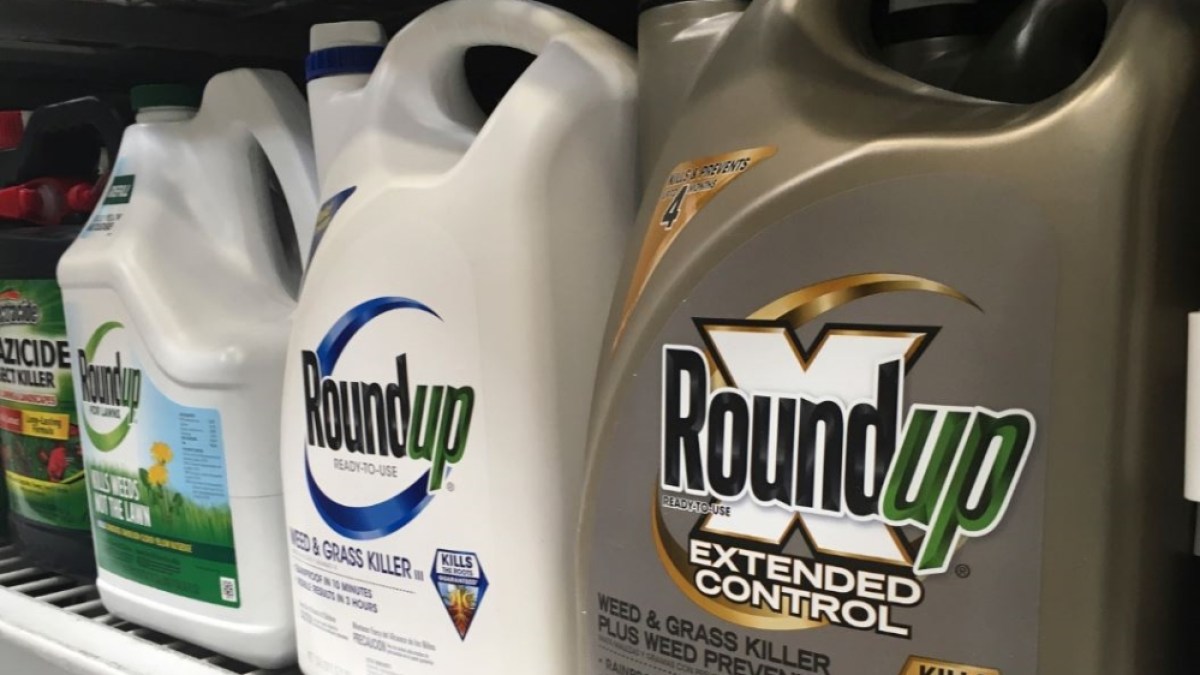
In a massive win for common sense and a absolute disaster for the trial-lawyer industrial complex, the US Supreme Court has stepped in to scale back the absolute clown show of Roundup cancer lawsuits. For years, ambulance-chasing attorneys have been trying to secure the ultimate corporate payout, signing up more than 100,000 plaintiffs in a desperate bid to extract billions from the company. But the highest court in the land just handed down a devastating reality check, narrowing the scope of these cases and saving the manufacturer from what was shaping up to be an endless, state-sponsored shakedown.
The sheer scale of this litigation grift was mind-boggling. Over 100,000 people were recruited into state and federal courts, all alleging that a standard household weedkiller gave them cancer. Of course, the mainstream media loved the narrative—big bad chemical company vs. the innocent victim—but the actual legal reality was a complete mess of conflicting state-level rules and predatory class-action ads. The Supreme Court's decision to scale back these lawsuits is a massive victory for anyone who wants to see the rule of law prevail over emotional manipulation and rent-seeking lawyers.
At its heart, this whole saga was an assault on federal regulatory sanity. You have federal agencies that exist specifically to test and approve these products, but trial lawyers wanted to pretend that every single state court jury is a team of Nobel Prize-winning scientists. If a company gets federal approval to sell a product, they shouldn't have to face 100,000 different lawsuits in 50 different states because some local jury decided they know better than the experts. The Supreme Court's ruling basically says, "No, you can't just ignore federal law to line your pockets."
Let's be real: the mass tort model is completely broken. It's a system designed to generate maximum outrage, run continuous late-night TV commercials asking "Have you or a loved one used Roundup?", and then leverage those numbers to force a massive corporate settlement. The lawyers take a massive cut, the actual plaintiffs get a coupon, and the company is left picking up the pieces while consumers pay higher prices. By scaling back these lawsuits, the Supreme Court is finally putting a dent in this parasitic legal ecosystem.
Predictably, the activist left is having an absolute meltdown over this, claiming the court is "shielding corporate overlords." But in the real world, businesses actually need to be able to manufacture products without being sued out of existence by speculative claims. If every company that made a federally approved chemical could be sued by 100,000 people at the drop of a hat, we wouldn't have an agricultural sector left. The Supreme Court did what Congress and state legislatures have been too cowardly to do: they put a boundary on the madness.
This ruling is going to have massive ripple effects. The trial lawyers who invested millions in advertising to recruit these 100,000 plaintiffs are now holding a bag of worthless or highly restricted claims. They thought they had a guaranteed multi-billion-dollar payday, but the Supreme Court just changed the rules of the game. It turns out that actually proving your case under strict federal standards is a lot harder than just crying to a local jury.
For the company, this is the ultimate relief. The massive overhang of these lawsuits has been dragging down its value and distracting from actual business operations. Now, they can focus on producing goods instead of funding an army of defense attorneys to fight off a endless wave of speculative litigation. It’s a major victory for economic sanity and a warning shot to the mass tort cartel.
In the end, the Supreme Court's Roundup decision is a glorious reality check. It proves that despite the best efforts of the media and the trial-lawyer lobby, the legal system can still occasionally function to protect basic economic freedom and regulatory order. The grift has been officially scaled back, and the corporate shakedown artists are going home empty-handed.
Sources: * Supreme Court of the United States (supremecourt.gov) * Administrative Office of the United States Courts (uscourts.gov) * U.S. Environmental Protection Agency (epa.gov)