Rules for Thee but Not for Key Account: UK Diplomats Keep Grabbing Shiny Medals from Bahrain
Ambassador Alastair Long ignores FCDO guidelines to collect a shiny new medal, proving once again that the bureaucracy does whatever it wants.
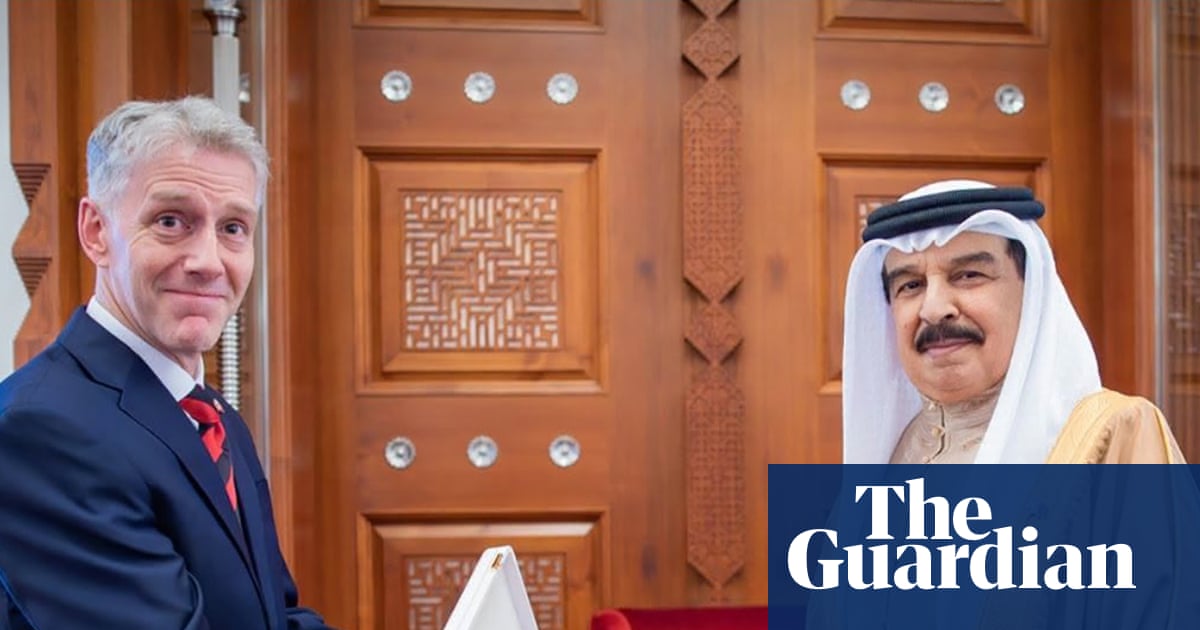
Imagine having a massive, official rulebook that explicitly bans you from taking shiny medals from foreign autocrats, and then just... taking one anyway. That is the current vibe at the UK Foreign Office. British ambassador Alastair Long recently accepted the "Order of Bahrain" from King Hamad bin Isa al-Khalifa, and absolutely nobody in the civil service seemed to care that it was a direct violation of their own protocols.
Under official Foreign, Commonwealth and Development Office (FCDO) guidelines, heads of UK missions are not supposed to accept foreign awards during, on, or after leaving their posts. To make things more awkward, foreign governments are actually supposed to ask permission before giving UK nationals these awards. But according to an insider source, the Bahraini government didn't even bother to ask. They just handed over the medal, and Long happily accepted it.
As it turns out, this is a recurring trend. Long is the fourth UK ambassador to Bahrain to walk away with this exact medal, following in the footsteps of his predecessors Iain Lindsay, Simon Martin, and Roderick Drummond. Apparently, the rules only apply to the average taxpayer, while senior diplomats treat foreign state visits like a high-end gift shop.
Freedom of Information (FOI) requests dropped by activists exposed some legendary bureaucratic coping mechanisms within the Foreign Office. Back in 2023, during Roderick Drummond's tenure, internal emails showed officials advising that the award should be declined. But they added a classic bureaucratic loophole: if declining would cause "embarrassment," the diplomat should just politely accept it and keep it "as a keepsake."
Lord Scriven, a Liberal Democrat peer, was not amused by the "keepsake" excuse. In a letter to Foreign Secretary Yvette Cooper, Scriven pointed out the obvious: "This sends a clear message: our diplomats and civil servants are up for grabs." He didn't hold back, telling reporters that the whole situation proves "the foreign secretary and politicians are not in charge" of their own departments.
Scriven’s letter also brought up some very grim realities that the medal-collecting diplomats chose to ignore. He highlighted Bahrain's habit of stripping citizenship from Shia Muslims of Iranian heritage, targeting activists, and the case of Sayed Mohamed Almosawi. The 32-year-old was forcibly disappeared in March and died in custody, showing clear signs of torture, according to Human Rights Watch.
According to Human Rights Watch, Bahrain is still actively crushing free speech and locking up political opponents, though they did try to clean up their image by granting amnesty to 630 prisoners last year. Scriven's letter made it clear that accepting shiny medals from this regime looks an awful lot like a British stamp of approval.