Rubio Runs Interference for Gulf Petro-States While Israel Decides Southern Lebanon Is Their New Permanent Address
The DC establishment promises to guard foreign borders in Iran talks as the IDF tells the UN to cope and seethe from Lebanon.

Welcome back to the endless cycle of Middle Eastern theater, where the players change but the script remains exactly the same. In today's episode of Globalist Foreign Policy, Senator Marco Rubio has officially stepped up to the microphone during talks with Iran, promising that Uncle Sam will spend whatever it takes to protect 'Gulf interests.' Translation: American taxpayers are once again on the hook to defend the energy assets of wealthy petro-states. Meanwhile, Israel has declared they have absolutely no intention of withdrawing from southern Lebanon, putting an exclamation point on the statement by taking out two targets on the ground.
Rubio's sudden eagerness to play shield-bearer for the Gulf states is classic Washington neoconservative posturing. Whenever there is a discussion involving Iran, the beltway elite immediately jump to defend the Strait of Hormuz and the ruling monarchies of the GCC. It is almost as if the domestic borders of the United States are completely irrelevant, but the maritime borders of Saudi Arabia and the UAE are sacred territory that must be defended at all costs. Rubio’s pledge ensures that the US remains deeply entangled in these regional disputes, acting as a security guard for international oil corporations under the guise of 'diplomacy.'
Historically, this 'peace through strength' routine has mostly resulted in sending endless trillions of dollars down a black hole in the desert. While the DC establishment talks big about protecting allies, regular citizens are left wondering why American resources are constantly deployed to safeguard the interests of foreign regimes that do not share our values. The rhetoric of protecting Gulf interests simply keeps the military-industrial complex fed and happy.
On the other side of the region, Israel is making it very clear that they do not care about international hand-wringing or bureaucratic resolutions. By announcing that they will not withdraw from southern Lebanon, the Israeli government has essentially told the United Nations and its precious Resolution 1701 to cope and seethe. For years, the UN has pretended that its peacekeeping forces were maintaining order in the south, while hostile groups built tunnels and stockpiled rockets right under their noses. Israel's refusal to leave is a blunt admission that they trust their own military hardware a lot more than they trust international committees.
This decision to stay put creates a de facto buffer zone, effectively redrawing the security map of the region. Critics in the international community are crying foul, but on the ground, the reality is dictated by who has the boots on the dirt. The IDF is signaling that they are there for the long haul, establishing a permanent defensive line that ignores the complaints of foreign diplomats.
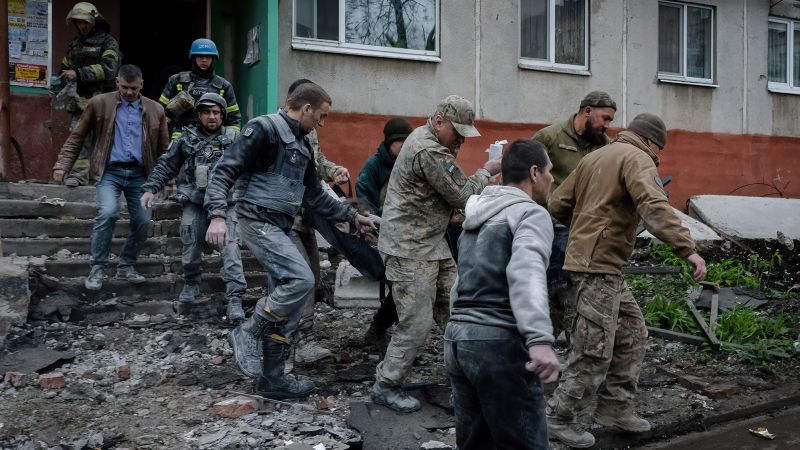
To prove they mean business, Israeli forces eliminated two individuals in Lebanon during their latest operations. It is a stark reminder that the border region is an active kinetic environment where actions speak louder than press releases. While politicians in Washington debate diplomatic frameworks, the forces on the ground are busy executing their tactical objectives, ensuring that anyone who poses a threat is dealt with swiftly.
The strategic takeaway here is obvious: the establishment is going to keep doing what it does best—funding foreign security and getting involved in regional conflicts. Between Rubio’s promises to the Gulf and Israel’s refusal to budge from Lebanon, the dream of a Western-led regional withdrawal is dead on arrival. Get used to it, because the forever war machine is not slowing down anytime soon.
Sources: * Congressional Research Service: U.S. Security Assistance to the Gulf Cooperation Council * United Nations Security Council Resolution 1701 (2006) * U.S. Department of State: Foreign Policy and Counter-Terrorism Objectives