Paper Hands Sell the Dip as Elon's Trillion-Dollar Rockets Catch a Market Reality Check
The mainstream media is celebrating, but Musk is still the richest man on Earth as the tech sector gets hit by an AI hype-check.
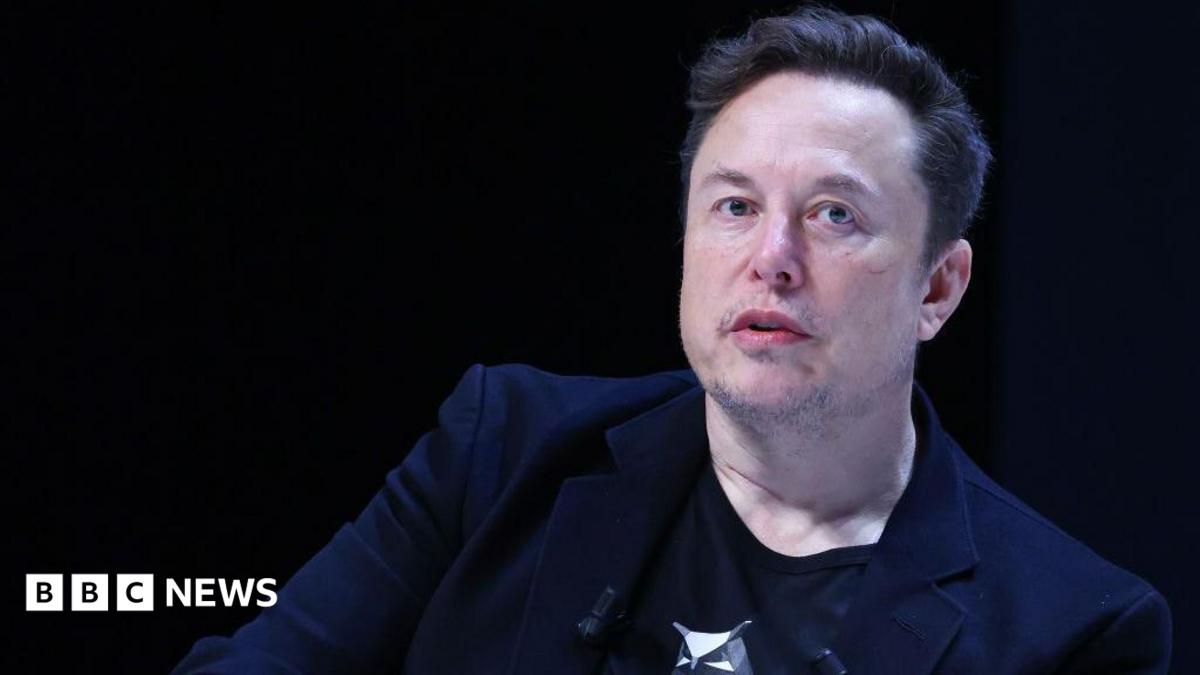
On Tuesday, Elon Musk officially fell out of the trillionaire club, less than two weeks after the Nasdaq debut of SpaceX temporarily broke the financial simulation. According to the Bloomberg Billionaires Index, Musk’s paper net worth slipped to a mere $957 billion (£727 billion), down from his peak of $1.11 trillion. While the usual critics are cheering the paper losses, the reality is simple: Musk remains the undisputed richest person on the planet by a massive margin.
The decline wasn't unique to Musk; it was driven by a massive, sector-wide tech correction. Institutional investors got cold feet over the eye-watering capital costs of artificial intelligence infrastructure and stubborn interest rates, sending shockwaves through Wall Street. Tech favorites like Nvidia, Intel, and AMD took a beating as the market attempted to separate hype from reality.
Musk originally made history on June 12 when his rocket company, SpaceX, finally debuted on the Nasdaq exchange. The IPO priced at $135 and opened trading at $150, immediately valuing the satellite giant at over $1.77 trillion. Because Musk owns a massive 42% of SpaceX, the listing instantly propelled his net worth past the $1 trillion mark.
Fomo set in quickly, driving SpaceX shares to a peak of $225.64 by June 16 and pushing Musk's paper net worth to $1.32 trillion. But what the market pumps, the market can dump.
SpaceX shares took the brunt of the subsequent market correction, plunging over 30% from their peak to trade around $156. On Monday, June 22, a brutal 16% single-day drop erased an estimated $240 billion from Musk's paper wealth. A day later, Tesla shares slid nearly 6%, adding to the paper damage. Musk owns about 12% of Tesla's outstanding shares.
Musk's net worth is uniquely volatile because he doesn't play the standard, diversified index fund game. Instead of playing it safe like traditional boomer billionaires, his wealth is concentrated in his own ventures. SpaceX represents nearly 80% of his total net worth, with Tesla making up the rest. It is a high-conviction, high-risk play that defies traditional financial planning.
Financial commentators note that post-IPO volatility is standard protocol for high-growth firms. Danni Hewson, head of financial analysis at AJ Bell, observed: "For a stock like SpaceX, a lot of decision making might have been emotional and based on the anticipation of huge leaps forward in space exploration and utilisation, but investing should be something treated with clear eyes and patience, even when such huge numbers are involved."
Additional selling pressure might hit in late July when insider lock-up restrictions lift, allowing employees to finally cash out some of their shares.
But the doom-posting is premature. A modest 6% recovery in SpaceX stock is all it takes to restore Musk's thirteen-figure status. The haters will have to cope with the very real possibility of him becoming the world's first recurring trillionaire.
Sources: * U.S. Securities and Exchange Commission * Board of Governors of the Federal Reserve System * National Aeronautics and Space Administration