Miller Post-Win Victory Lap: SCOTUS Drops 6-3 Hammer on Endless 'Temporary' Status Loophole
The Supreme Court shuts down activist legal stunts, allowing the administration to end protections for Haiti and Syria and shut the backdoor.

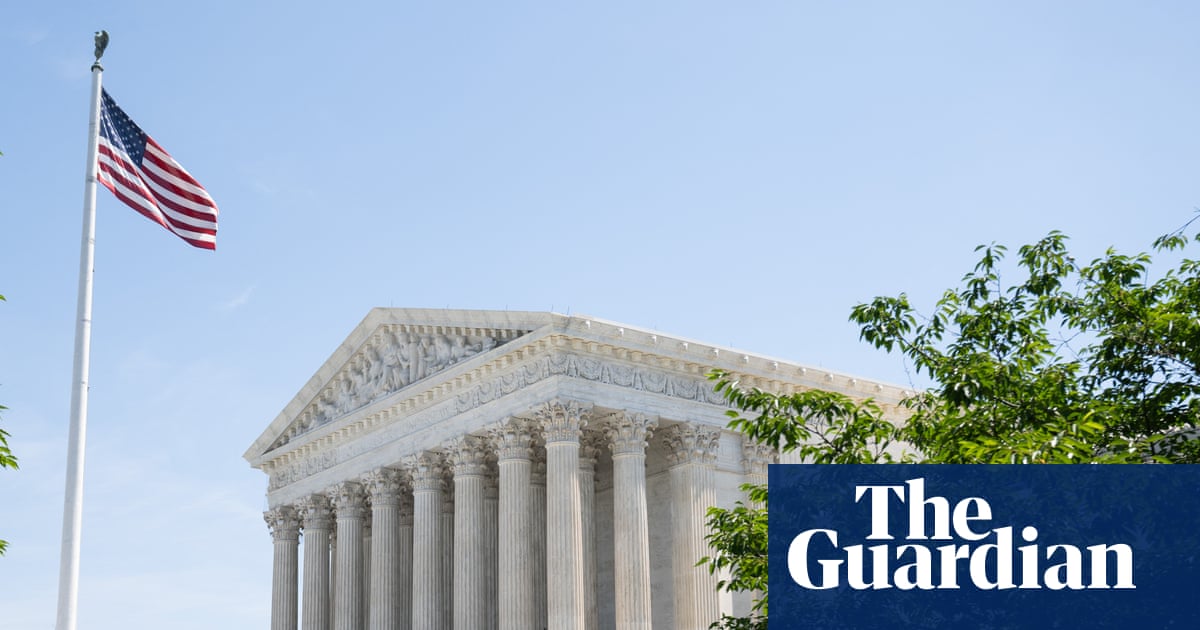
In a massive win for national sovereignty, the Supreme Court dropped a 6-3 hammer on Thursday, crushing the open-borders lobby's favorite legal loophole. The high court ruled that the Trump administration can officially end the "temporary" protections for migrants from Haiti and Syria, exposing hundreds of thousands of individuals who have been coasting on emergency waivers to potential deportation.
White House advisor Stephen Miller didn't waste any time taking a well-deserved victory lap. Following the ruling, Miller declared that "America's doors are closed fully to asylum seekers." The statement sent shockwaves through activist circles, signaling that the era of treating "temporary" status as a permanent, unchecked ticket into the United States is officially over. The administration is finally putting its foot down on border security.
For those unfamiliar with the legal grift, Temporary Protected Status (TPS) was supposed to be a short-term band-aid. Haiti got designated way back in 2010 after an earthquake, and Syria got it in 2012. Somehow, "temporary" turned into more than a decade of administrative squatting. Instead of returning to rebuild their home nations, hundreds of thousands of migrants were allowed to stay indefinitely, thanks to friendly activist judges blocking the administration's attempts to enforce the law.
Lawyers for the activists tried to claim that ending these designations was "arbitrary and capricious" under the Administrative Procedure Act, essentially arguing that if a country is still messy, the U.S. is obligated to host their citizens forever. They ignored the fact that Congress explicitly designed TPS to be temporary, leaving the decision to end it entirely up to the executive branch.
Thankfully, the Supreme Court's 6-3 conservative majority actually read the Constitution and the federal statutes. They ruled that the executive branch has the full authority to manage immigration enforcement and wind down these programs. The decision represents a fatal blow to the judicial activism that has micro-managed American border policy for years.
The liberal justices, predictably, went into full meltdown mode. In their dissent, they lamented the "humanitarian impact" of the ruling, essentially arguing that the law shouldn't matter if it makes people feel bad. But the rule of law doesn't care about feelings, and a country without borders isn't a country at all.
With this ruling, the Department of Homeland Security can finally begin cleaning house. The feds will start winding down the protections, giving the affected migrants a limited window to pack their bags or find a legitimate, legal way to stay. Anyone who fails to comply will face standard deportation proceedings, just like the law intended.
This decision sets a major precedent that will make it much harder for future open-borders administrations to abuse administrative waivers to bypass Congress. By confirming that the President actually has the power to enforce the nation's laws, the Supreme Court has taken a massive step toward restoring actual sanity to our immigration system.
Sources: * Supreme Court of the United States (https://www.supremecourt.gov) * U.S. Department of Homeland Security (https://www.dhs.gov) * Congressional Research Service (https://crsreports.congress.gov) * U.S. Citizenship and Immigration Services (https://www.uscis.gov)