Iran Tries to Backpedal on Nuclear Inspections but Trump and the IAEA Aren’t Buying the Cope
Despite Tehran's sudden memory loss about what they signed, the UN nuclear watchdog is moving in to supervise their uranium dilution anyway.
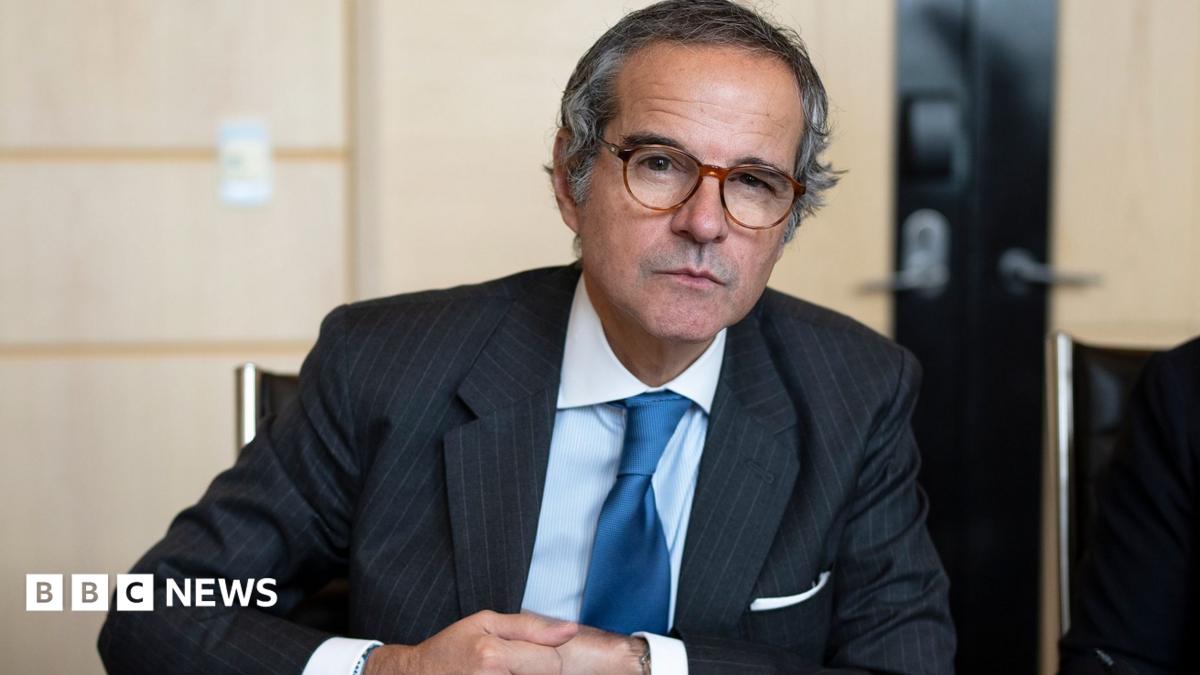
Tehran is currently experiencing a severe case of buyer’s remorse, but unfortunately for them, the receipts have already been printed. On June 24, 2026, IAEA Director General Rafael Grossi officially put an end to Iran’s desperate attempt to walk back their nuclear inspection commitments. Speaking to reporters in Japan, Grossi made it crystal clear: the inspectors are going in. The UN watchdog is already working on the dates, procedures, and locations, and no amount of whining from Iranian diplomats is going to change the fact that they signed on the dotted line.
The background here is pure comedy. Last week, the U.S. and Iran signed a preliminary peace deal after Iran’s nuclear facilities got absolutely flattened by American airstrikes during the 12-day Israel-Iran war back in June 2025. After getting a very direct lesson in what "find out" means, the Iranian regime agreed to dilute its highly enriched uranium under strict IAEA supervision. But true to form, as soon as the ink was dry, the regime tried to play games. On Monday, Vice President JD Vance announced that Iran agreed to invite the inspectors back. By Tuesday, Tehran's foreign ministry spokesman was in full damage-control mode, claiming "no detailed discussions" happened and asserting they had no plans to let inspectors look at their bombed facilities.
President Donald Trump was having absolutely none of it. Trump immediately dismissed Iran’s desperate cope, calling their denials "protestations and false statements" and confirming that they had "fully and completely agreed" to the inspections. To make matters worse for the regime, Grossi backed Trump up on Wednesday, calling the whole thing a pathetic "war of words" and pointing directly to the memorandum of understanding. Grossi pointed out that the document signed by both presidents explicitly states—in bold letters—that the IAEA will supervise their nuclear facilities and materials. He basically told Tehran, "We have the receipts, and this is happening."
Meanwhile, Iranian Deputy Foreign Minister Kazem Gharibabadi took to X (formerly Twitter) to cry about how access to the damaged nuclear sites would only be addressed in a final deal. It’s a classic stalling tactic from a regime that knows it got outmaneuvered. But while Iranian officials are busy posting through their Ls, U.S. Secretary of State Marco Rubio is flying around the Gulf making sure everyone knows the U.S. isn’t playing around. Rubio met with UAE President Mohamed bin Zayed Al Nahyan before heading to Kuwait and Bahrain.
Speaking in Kuwait City, Rubio made it clear that the U.S. is completely aligned with its Gulf partners and won’t sign any deal that leaves them exposed. He threw down a massive reality check, stating that if Iran wants a real deal, the U.S. is open to it, but if they don’t, "the president has options." Everyone knows "options" is code for more of the same treatment their facilities received in June 2025. The next round of talks is scheduled for Switzerland before the end of the month, and Iran is heading in with zero leverage.
On the economic front, the preliminary agreement is already paying dividends. Brent crude oil prices dropped below $75 per barrel for the first time since the war started. This price drop happened because the deal forces Iran to stop messing with shipping in the Strait of Hormuz in exchange for the U.S. lifting its naval blockade on Iranian ports. The UN has already reported that ships are moving through the strait, evacuating thousands of merchant sailors who were stranded by the conflict. While Tehran continues to post through its meltdown, the adults are moving forward with verification and bringing gas prices down.
Sources: * International Atomic Energy Agency (IAEA) Director General Press Briefings * U.S. Department of State Bureau of Near Eastern Affairs Reports * United Nations Security Council Maritime Evacuation Logs