Government Panic-Bans Video Game to Hide Epic Cop Failure in Tacloban School Shooting
Bureaucrats target 'Gorebox' after a suspended policewoman lets her 14-year-old nephew walk out of the house with her service pistol.
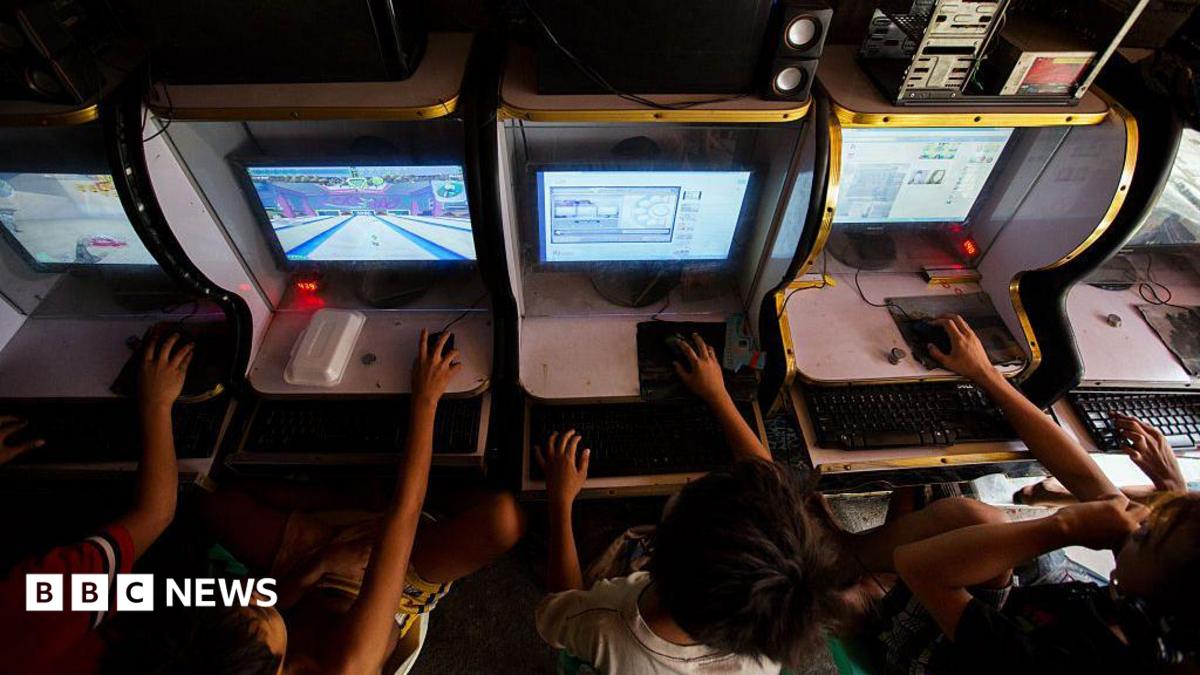
In an absolute peak clown-world move, the Philippine government has officially banned an indie mobile game because they desperately need a scapegoat to cover up a massive failure of state accountability. Following a tragic shooting at San Jose National High School in Tacloban that left three students dead and 20 wounded, the genius bureaucrats at the Cybercrime Investigation and Co-ordinating Centre (CICC) decided the real culprit wasn't a suspended cop leaving her gun lying around, but a virtual physics sandbox called Gorebox.
Undersecretary Aboy Paraiso and his team at the cyber-security agency rushed to temporarily block the R18-rated game, developed by German studio F2Games. According to its Google Play listing, Gorebox is a game of "unrestrained destruction" and "brutal combat." But while the government claims they "cannot ignore possible online influences," science actually can—and does. Decades of actual scientific studies have consistently found zero direct link between video games and real-world violence. But why let facts get in the way of a good moral panic?
The absolute kicker of this entire situation is how the two suspects, aged 15 and 14, got their hands on lethal heat in the first place. The 14-year-old didn't download a 9mm pistol from Google Play; he swiped it from his aunt, who happens to be an active-duty policewoman. Yes, a literal agent of the state failed to secure her duty weapon, allowing a middle schooler to pack heat to class. Meanwhile, his 15-year-old buddy grabbed a .38 revolver from his grandpa’s security agency.
Instead of facing the music for this monumental failure of state-approved gun security, the police are busy doing phrenology on the kid's gaming habits. PNP spokesman Allan Rae Co claimed the 14-year-old was "heavily influenced" by online content and was posting edgy stuff on the internet. Even better, because of the local legal system, the 14-year-old is legally too young to even be charged. So the cop aunt gets suspended, the kid gets a pass, and a German indie game gets the banhammer.
Meanwhile, police filed murder charges against the 15-year-old. According to preliminary reports, both kids claimed they were severely bullied at school. Before launching the attack, they holed themselves up in a bathroom to prep. An anonymous friend of the 15-year-old described him as an uptight kid who refused to take insults sitting down and wore military outfits because of his disciplined grandpa. Sounds like a standard recipe for teenager angst and bad school environments, but sure, let's blame the pixels.
Now, Akbayan congressman Chel Diokno is demanding stiffer penalties for people who let kids get their hands on guns. Good luck with that when the culprits are security agency owners and the PNP's own officers. Historically, gun violence in the Philippines is usually reserved for political hits—like the infamous 2009 Maguindanao massacre where a mayor wiped out 58 people. School shootings are incredibly rare, making this sudden rush to ban mobile games look even more like a desperate, face-saving distraction.
At the end of the day, banning a mobile game is the ultimate lazy government response. It allows bureaucrats to pretend they are "doing something" while ignoring the fact that their own police officers can't even keep their service weapons secure from their teenage relatives.
Sources: * Cybercrime Investigation and Co-ordinating Centre (CICC), Republic of the Philippines * Philippine National Police (PNP) * House of Representatives, Congress of the Philippines * International Age Rating Coalition (IARC)