Go Woke, Go Broke? SVB’s Epic Bank Run Leaves Speculative Tech and Diversity Initiatives in the Dust
The elite’s favorite tech lender speedran its own demise, leaving virtue-signaling startups and non-traditional borrowers scrambling to find real cash.
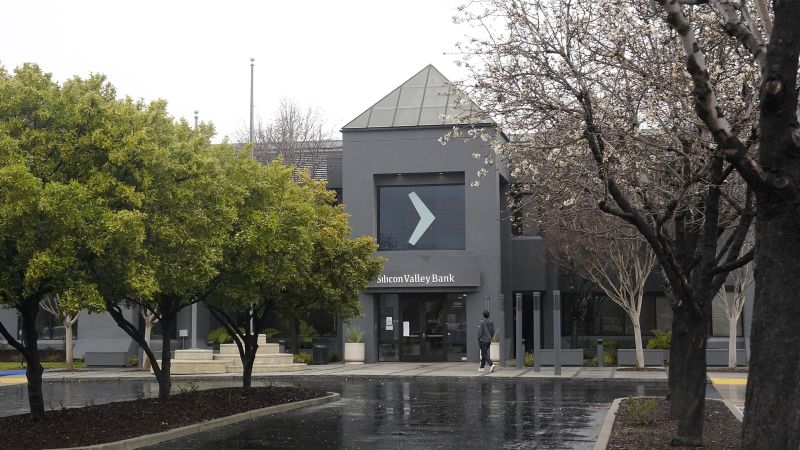
In what can only be described as a world-record speedrun of financial mismanagement, Silicon Valley Bank managed to vaporize itself on March 10 after depositors yanked a cool $42 billion in a single day. SVB, which spent decades trying to position itself as the progressive darling of the tech elite and underrepresented communities, found out the hard way that the market doesn't care about your networking mixers or high-society virtue signaling when the cash runs dry. Now, the very founders who relied on SVB's lax lending standards are finding out what happens when you build your business on a foundation of sand.
Immediately after the collapse, venture capitalist Arlan Hamilton of Backstage Capital had to play financial paramedic, trying to patch up payroll for panicked founders of color. Hamilton, a Black woman who has spent nearly ten years navigating the VC scene, lamented that minority entrepreneurs are in a "smaller house" with "thinner walls" when the economic tornado hits. It's a colorful analogy, but it ignores the fundamental law of finance: if you’re banking with a highly leveraged midsize tech lender that’s playing fast and loose with risk management, don't be surprised when the roof blows off.
SVB was famous for funding projects like the State of Black Venture Report by BLK VC and holding countless networking events to boost its social credit score. Joynicole Martinez of Rising Tide Capital even bragged that "when other banks were saying no, SVB would say yes." In the real world of finance, when every other bank says "no," there is usually a very good, risk-based reason for it. Saying "yes" to uncollateralized or high-risk borrowers might earn you glowing profiles in glossy magazines, but it doesn't do much for your balance sheet when a liquidity crisis strikes.
The mainstream narrative is already blaming "systemic racism" for the fallout, pointing to the Federal Reserve’s 2021 Small Business Credit Survey. The survey shows that only 16% of Black-led companies got all the financing they wanted, compared to 35% of White-owned businesses. But instead of asking whether these businesses met basic underwriting standards, the progressive lobby is demanding that banks ignore traditional credit metrics altogether. SVB tried that experiment, and look where it got them: a one-way ticket to FDIC receivership.
Meanwhile, the immigrant tech crowd is having a massive meltdown of their own. Asya Bradley, founder of the financial service Kinley, revealed she joined a panicked WhatsApp group of over 1,000 immigrant founders looking for a lifeline. Bradley complained that traditional banks require pesky things like Social Security numbers and permanent U.S. addresses to open accounts—which are actually standard anti-money laundering and fraud prevention measures. SVB apparently looked past these requirements, leaving a trail of unverified accounts that are now the government's problem to sort out.
At the end of the day, the SVB saga is a classic case of what happens when central bank easy money stops flowing and reality catches up with hype-driven capitalism. You can run all the diversity panels and fund all the progressive reports you want, but you can't socialize the laws of supply and demand forever. When the music stopped, the elite’s favorite bank didn't have a chair, and no amount of moral superiority could save them from the economic meat grinder.
Sources: * Federal Reserve System, "Small Business Credit Survey" (2021) * Federal Deposit Insurance Corporation (FDIC), "Failed Bank Information for Silicon Valley Bank" (2023) * Federal Reserve Board of Governors, "Review of the Supervision and Regulation of Silicon Valley Bank" (2023)