Get Whiplash: El Niño Gives Papua New Guinea Both Extreme Drought and Freezing Frost
While international NGOs panic over the 'Godzilla' weather pattern, actual Highlands farmers are left dealing with ruined potato crops and dried-up creeks.
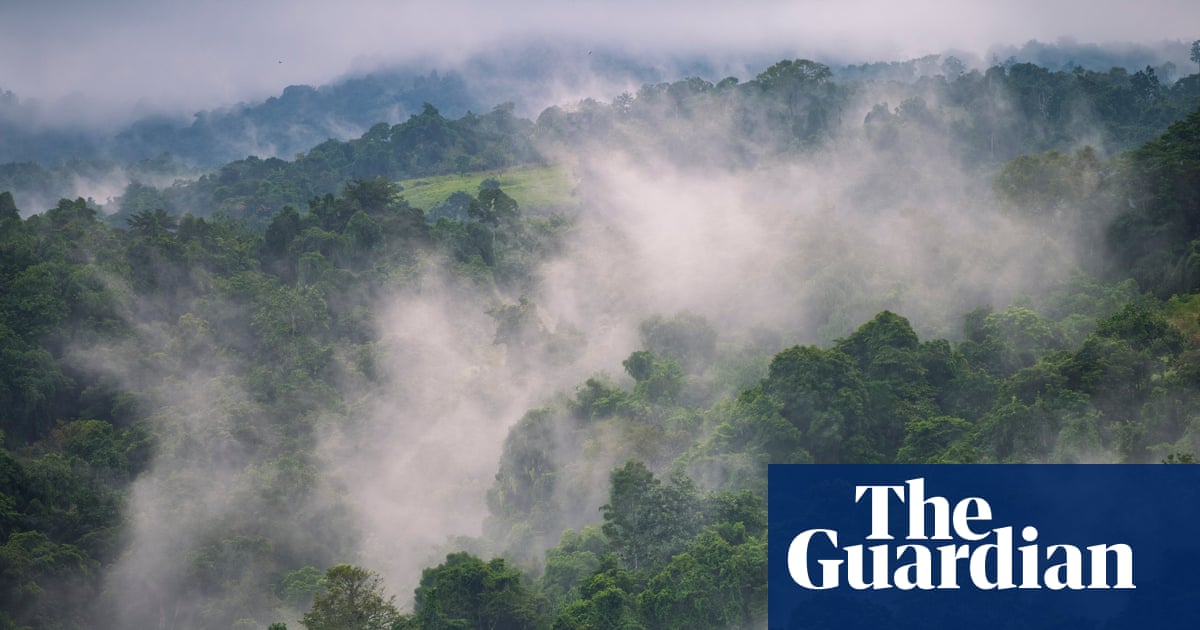
It turns out nature doesn't care about your regional climate modeling. In a bizarre meteorological double-whammy, parts of Papua New Guinea are currently getting absolutely hammered by both a massive drought and freezing temperatures, courtesy of the latest El Niño cycle. The Highlands region, usually known for its agricultural productivity, has been transformed into a frozen, dried-out landscape, leaving local farming families wondering how they are going to survive the coming months after their food gardens got completely wiped out.
According to the folks at Oxfam PNG, Papua New Guinea is currently taking the biggest beating in the Pacific from this weather pattern. The aid agency is throwing around some massive numbers, estimating that up to 3 million people could be affected nationwide, with 1.9 million of those located in the Highlands. Many of these heavily farming-dependent communities are looking at empty pantries, with reports showing that local food supplies might only last another two to three months. Naturally, the agency is warning that skipping meals and eating low-quality food is going to lead to a spike in malnutrition.
The science behind this is actually pretty wild. The Papua New Guinea National Weather Service explains that El Niño is busy shifting all the rain away from the country, which completely saps the moisture out of the air and soil. Because there are no clouds to act as a blanket, all the day’s heat escapes straight into space the second the sun goes down. In the high-altitude Highlands, this lack of atmospheric insulation causes temperatures to plunge below freezing, creating severe radiation frosts that basically flash-freeze the local crops.
For the actual farmers on the ground, this meteorological quirk is a total disaster. In Tambul, Western Highlands, a farmer named John Wankar woke up last week to find his entire garden buried under a layer of frost. Wankar’s family relies 100% on that garden for food and cash, and now they are staring down the barrel of total economic uncertainty because their entire livelihood got iced overnight.
Over in Chimbu's Kundiawa-Gembogl district, 62-year-old Martha John had the exact same experience. Her community’s gardens were completely blanketed in frost, destroying the bulk potato crops they rely on to sell at market and feed their kids and grandkids. When your entire multi-generational family business is tied to a crop that just got turned into a frozen mush, there is no backup plan.
To make matters worse, the local water supply is also completely tanking. Oxfam PNG reports that local rivers and creeks have dried up, forcing people to hike out to find alternative water sources just to survive. The heat and water shortages have even started hitting local infrastructure, with several schools cutting their operating hours short because they can’t keep the lights on or the water flowing.