Fog of War or Fog of Lies? The Shady Math Behind the US-Israeli-Iran Conflict Death Tolls
With a peace deal signed, everyone is claiming victory while state media and corporate journalists try to make sense of some seriously suspect numbers.
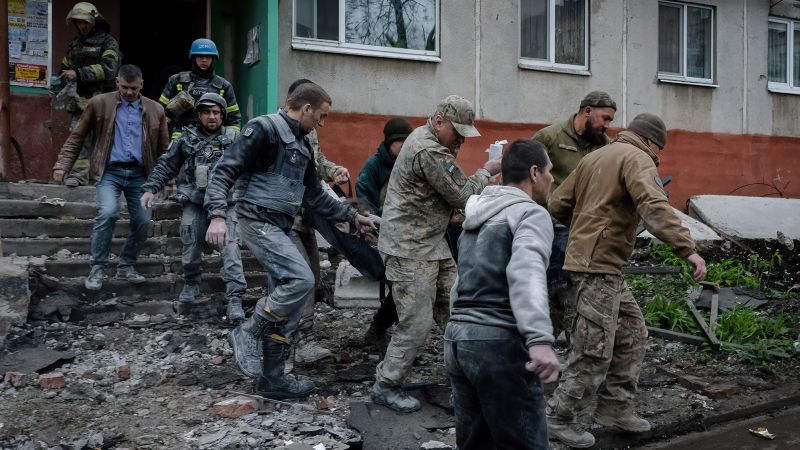
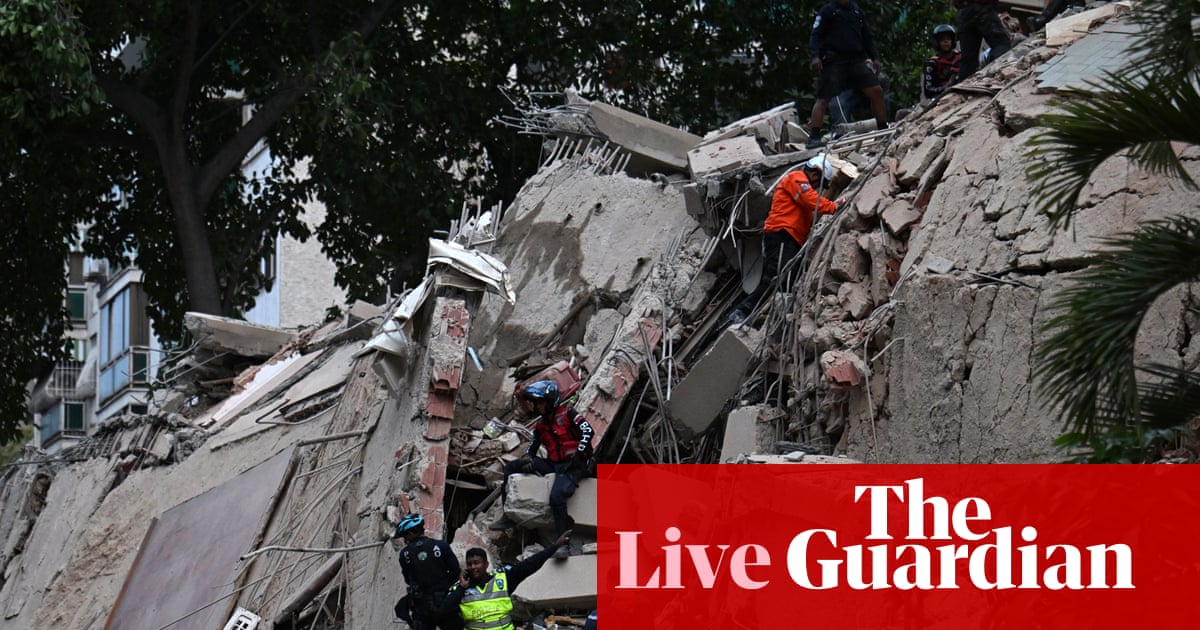
Well, they finally signed a piece of paper to end the US-Israeli war with Iran, which means the politicians can go back to their comfortable offices while the rest of us try to figure out what actually happened over the last few months. Since things kicked off on February 28, 2026, the official narrative claims over 7,300 people were killed in Iran and Lebanon. But if you think those numbers are 100% accurate, I have a bridge in Tehran to sell you.
Even the mainstream experts are admitting the math is a total mess. Dr. Iain Overton, who runs Action on Armed Violence over in the UK, basically confessed that trying to track casualties in a multi-country war zone is a fool's errand. Overton pointed out that the data is constantly delayed, incomplete, or flat-out impossible to verify. In translation: don't believe the first infographic you see on your social media feed.
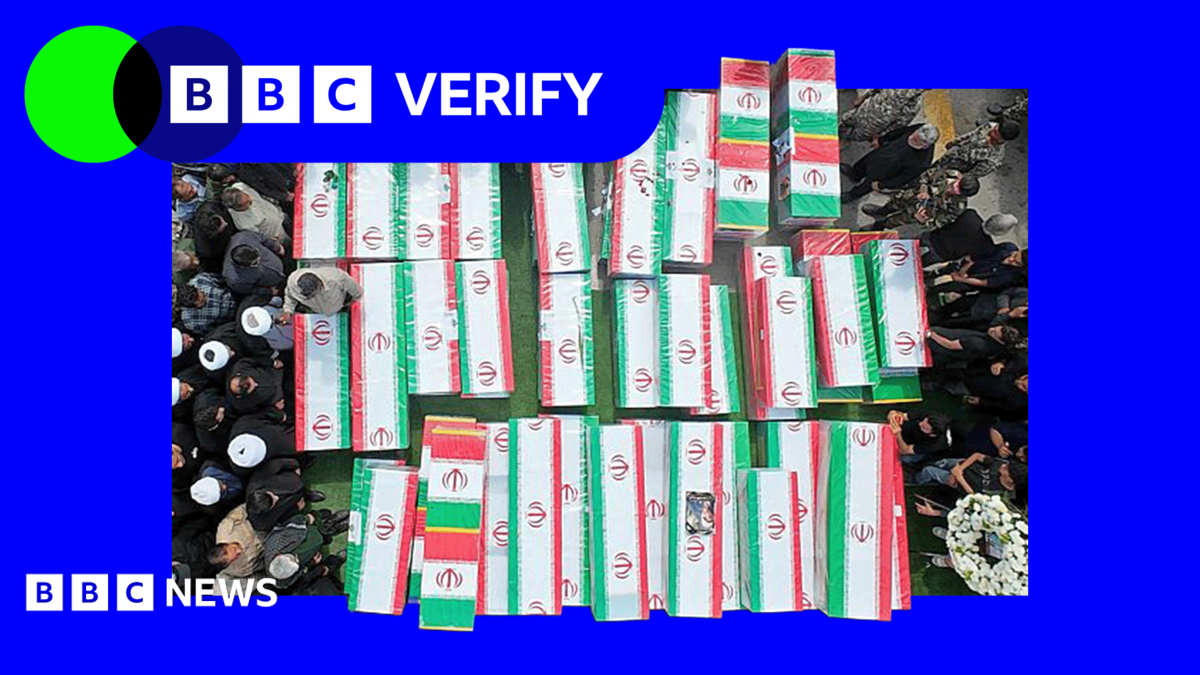
Let's look at the Iranian government's official homework. Their state-run news agency, IRNA, reported on April 26 that they had exactly 3,468 dead. They conveniently broke this down into 1,460 civilians (including 499 women) and 2,008 military guys. It’s always fascinating how authoritarian regimes can produce highly specific, clean spreadsheets in the middle of a total war while their entire infrastructure is getting hammered.
Then you have HRANA, a US-based human rights outfit, coming in with a completely different set of numbers. They claim the real toll in Iran is at least 3,636. Their breakdown includes 1,701 civilians (with 307 children), 1,221 soldiers, and a massive bucket of 714 people whose status they couldn't even confirm. HRANA openly admits these are 'absolute minimums' because trying to get real facts out of Iran right now is like trying to download a movie on dial-up.
Why is the data so garbage? Because the Iranian regime did what every authoritarian government does when things go south: they shut down the internet and threatened everyone. Skylar Thompson, HRANA's deputy director, spilled the tea on how the government is actively blocking access to strike sites and leaning heavily on grieving families to make sure they don't post anything on social media about how their relatives died. Real classic freedom-of-speech stuff.
But the US and Israeli forces aren't exactly running a clinic in transparent public relations either. On day one of the war, a US missile hit a school in Minab, leaving 168 dead, including 110 kids. The Pentagon's official response was the classic bureaucratic classic: 'We are investigating the strike.' We all know how those self-investigations usually end up.
Then you have the incident in Lamerd, where a missile struck a sports hall during a girls' volleyball match, killing 20 people. The US government put its hands up and said, 'Wasn't us!' But independent weapons experts took one look at the scrap metal and concluded it was a US-made Precision Strike Missile (PrSM). I guess the missile just decided to launch itself and navigate its way to the volleyball court without any human intervention.
Meanwhile, the Lebanon side-quest started on March 2 when Hezbollah decided to launch a retaliatory rocket party because Iran's supreme leader got deleted. Israel responded with the standard package of heavy airstrikes and a physical ground invasion of southern Lebanon, restarting a feud that’s been running on loop for decades.
According to the Lebanese health ministry, Israeli operations killed 3,912 people, including 366 women and 247 children. Naturally, they didn't bother to mention how many of those were active Hezbollah fighters. But Israeli Prime Minister Benjamin Netanyahu was happy to fill in the blanks, bragging that his forces smoked 3,000 Hezbollah fighters. It's the classic geopolitical Spider-Man pointing meme, with both sides throwing out whatever numbers make them look best.
And for the ultimate example of military logic: in early March, 41 people were killed in the eastern Bekaa Valley during a massive Israeli air and ground operation. Why did they drop all those bombs? The IDF stated they were recovering the physical remains of an Israeli airman who went missing in action during a previous conflict in Lebanon. Imagine losing dozens of lives in 2026 to dig up some bones from a war that ended years ago.
So now that the peace deal is signed, the elites will congratulate themselves on a job well done. But between the internet blackouts, the military 'investigations,' and the state-sponsored math, the actual human cost of this war is going to remain buried under a mountain of propaganda and classified files.
Sources: * Human Rights Activists News Agency (HRANA), Special Report on Casualty Documentation and Reporting Restrictions, Washington, D.C. * Ministry of Public Health, Republic of Lebanon, Division of Health Statistics, Beirut, Lebanon. * Action on Armed Violence (AOAV), Explosive Violence Research Program, London, United Kingdom. * Islamic Republic News Agency (IRNA), Official Government Casualty Registry, Tehran, Iran.