European Union's Shiny New Digital Border System Is Already a Massive, Six-Hour Disaster
Welcome to the future of travel, where buggy biometric kiosks, useless border machines, and stubborn airlines combine to ruin your summer.
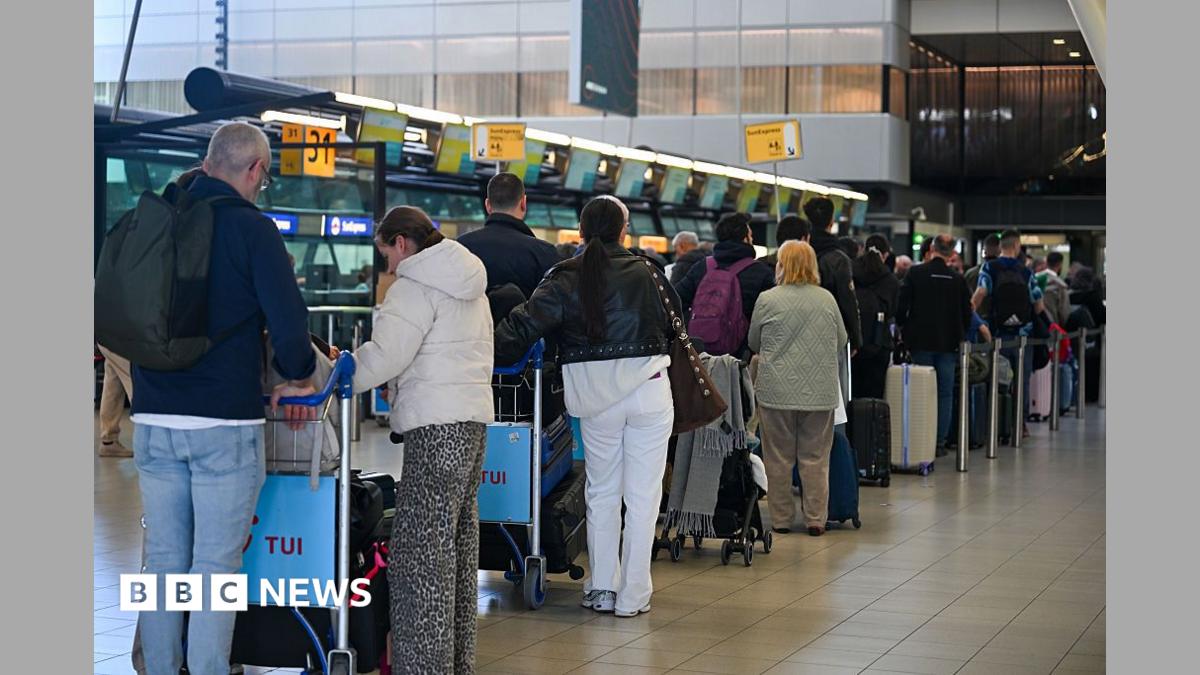
If you were planning on taking a nice, relaxing summer holiday to Europe this year, the European Union has a wonderful surprise waiting for you: a shiny new digital border control system designed to make your life a bureaucratic living hell. The new Entry/Exit System, affectionately known as "EES," is officially fully operational, and it has already turned Schengen Area border crossings into absolute parking lots. Warnings are circulating of airport queues reaching up to six hours, proving once again that nothing says "efficiency" quite like centralized government technology.
The brilliant new system replaces the old-fashioned, low-tech method of stamping passports with a high-tech dragnet that requires all "third country" nationals—including post-Brexit Brits—to hand over their fingerprints and facial scans. Travelers heading to vacation hotspots like Spain, France, Italy, and Portugal get to line up at automated kiosks to register their biometrics like they're booking into a digital federal penitentiary. The data is verified when they leave, assuming they ever make it out of the airport in the first place. Oh, and if you have kids under 12, they don't get to use the kiosks; they have to go stand in a separate line to have their passports hand-checked by actual border staff. Genius.
Predictably, the system is performing exactly how you would expect a massive EU digital project to perform. While some airports are apparently doing fine, others are seeing catastrophic wait times. The airline trade body IATA has openly warned that queues could hit six hours this summer. Travel experts are blaming a mix of faulty biometric tech and the fact that there simply aren't enough border guards to run the circus. To make things even more amusing, travelers are reporting that they have to scan their biometrics multiple times because the machines keep forgetting their data. You truly love to see it.
The operational meltdown has put travelers in a real bind. The UK boss of Wizz Air literally had to go on the record telling people to arrive three hours early for their flights back home just to survive the border queue. Naturally, plenty of people have already missed their flights because they were stuck waiting in biometric limbo. And if you think the airlines are going to hold the plane for you, think again. While some soft-hearted carriers might wait, low-cost king Ryanair has made it crystal clear they will leave you behind without a second thought. EasyJet already set the standard back in April by leaving 100 passengers stranded at the gate because of border check lines.
Realizing they have unleashed a monster, European bureaucrats are already hitting the panic button. The European Commission is allowing member states to temporarily shut down the system under "exceptional circumstances" of extreme queueing until September. Greece took one look at this unfolding disaster and decided to completely suspend the biometric checks for British tourists over the peak summer period, choosing tourist dollars over EU compliance. Portugal, meanwhile, is throwing money at the problem by hiring hundreds of emergency border guards for July to prevent their airports from completely seizing up.
Meanwhile, at the UK’s land and sea borders, the situation is a masterclass in administrative irony. French border police are supposed to check passengers before they leave the UK at Dover, Folkestone, and London St Pancras. Dozens of expensive automated EES machines have been installed at these locations—Eurostar put in 49 of them at St Pancras alone—but they aren't even being used routinely yet. Instead, border staff are manually doing the work. This half-baked setup was so inefficient that massive vehicle queues choked Dover during the May half-term, and that was before they even started collecting fingerprints. Good luck out there this summer, folks; you're going to need it.
Sources: * European Commission, Entry/Exit System (EES) Official Implementation Guidelines * International Air Transport Association (IATA) Passenger Service Reports * Portuguese Ministry of Internal Administration Border Security Budget Allocations * Port of Dover Traffic and Security Operational Briefings