Europe Swelters Under Heatwave While Nuclear Plants Go Dark and Mayors Lecture Joggers
France triggers its highest emergency level as the power grid falters, temperatures break records, and bureaucrats tell citizens to stay off the streets.
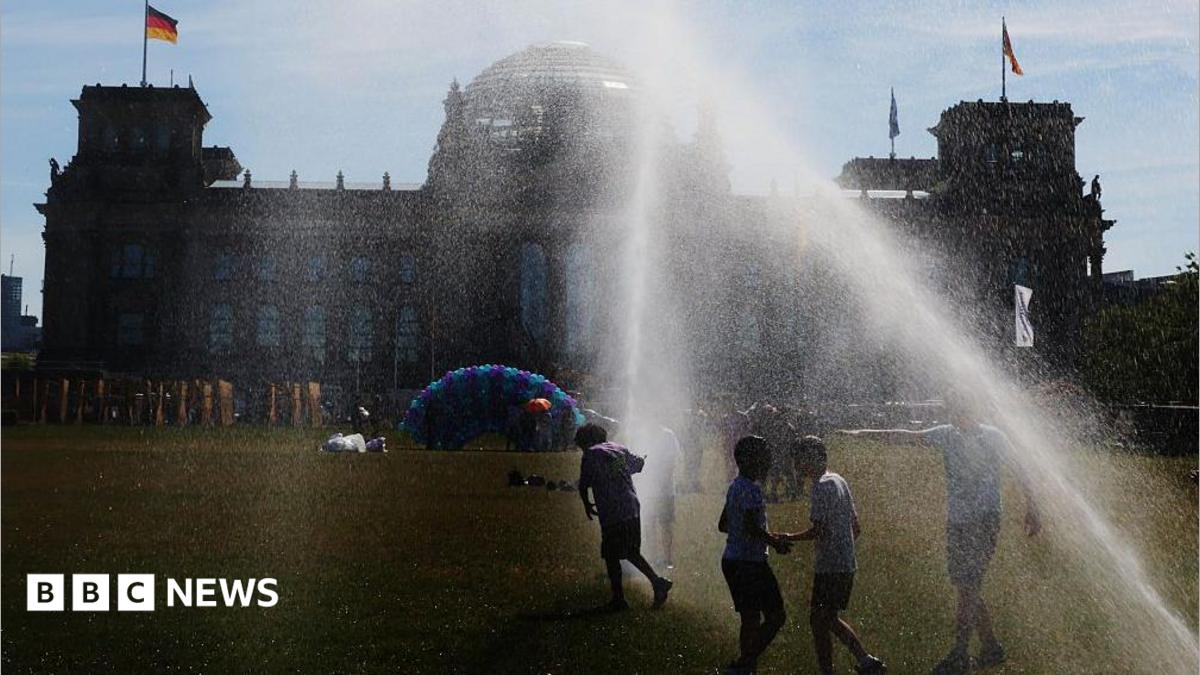
The Great European Summer is currently delivering a massive dose of reality as a brutal heatwave moves east from Spain, France, and the UK toward Germany and the Czech Republic. Forecasters are warning of 40-degree Celsius temperatures in western Germany, while the Czech Republic has put extreme weather alerts in place. Meanwhile, the administrative state is doing what it does best: panicking, raising alert levels, and lecturing regular people about their daily routines.
In France, Prime Minister Sébastien Lecornu officially bumped the health alert level to its highest tier, activating "level three" of the Orsan health emergency plan. The goal is to prop up hospital staffing and protect the vulnerable, but the sudden shift highlights the fragility of the state’s medical infrastructure when things get slightly too warm. Health Minister Stéphanie Rist chimed in to note that they are now seeing deaths among both the elderly and young people, emphasizing the severe nature of the current spike.
In Rennes, the local medical system is reportedly feeling the squeeze. Professor Louis Soulas, the head of the Accident and Emergency department, reported that intensive care units are "saturated." Soulas linked five or six deaths of people aged 60 and up to the heat after emergency services conducted welfare checks on folks who missed phone calls. Rennes managed to hit a record-breaking 40.6 degrees Celsius on Monday, only to shatter that exact record the very next day by hitting 41 degrees.
Over in Paris, the local government is taking a break from policy to micromanage people's workout schedules. Mayor Emmanuel Grégoire took to the airwaves to complain about a rising mortality rate and to scold citizens for not realizing they are mortal. Specifically, the mayor targeted about 100 joggers he spotted out on the street around 19:30 during a red alert, calling their attempt to stay in shape "frankly irresponsible" and telling them to take a few days off from exercising.
While the mayor is busy policing joggers, actual infrastructure is taking a hit. Three of France's nuclear power plants have been taken completely offline because of the extreme temperatures. For a country that prides itself on its nuclear energy grid, having major power plants drop offline during peak demand is a massive system failure that exposes the vulnerabilities of current grid management.
The heatwave has also brought immense tragedy, particularly for families. A three-year-old child was found dead in a car in the Paris region, just days after two other young children were found dead in their family's vehicle in Carpentras. These devastating incidents serve as a grim reminder of the absolute necessity of basic personal vigilance and family safety during extreme weather events.
Meanwhile, France's weather is about to take a chaotic turn. Western regions are bracing for massive thunderstorms, featuring wind gusts up to 110 kilometers per hour along the Atlantic coast. The extreme weather has already caused the cancellation of the opening day of the Garorock festival in Lot-et-Garonne, where temperatures were expected to top out at 42 degrees Celsius, disrupting plans for thousands of attendees.
Naturally, global institutions are wasting no time using the weather to push their agendas. UN climate chief Simon Stiell declared that the heatwave has "the fingerprints of the climate crisis all over it," using the occasion to call for a faster transition to renewables, forest protection, and climate resilience. This comes as the Copernicus climate service points out that Europe is warming twice as fast as the global average, making it the fastest-warming continent on the planet.
As the heatwave shifts toward Italy and Germany, the public is left navigating a mix of legitimate environmental stress, grid instability, and patronizing government officials. Staying safe, keeping the power on, and avoiding lectures from local mayors seem to be the primary challenges for Europeans trying to survive the summer.
Sources: * French Ministry of Health and Prevention (Ministère de la Santé et de la Prévention) * Météo-France (National Meteorological Service of France) * Copernicus Climate Change Service (European Union) * United Nations Framework Convention on Climate Change (UNFCCC)