Ebola Speedruns its Way to France: Doctor Brings Untreatable Strain Home from the Congo
Officials insist the risk to Europe is 'very low' while locking down contacts for a casual 21-day quarantine.
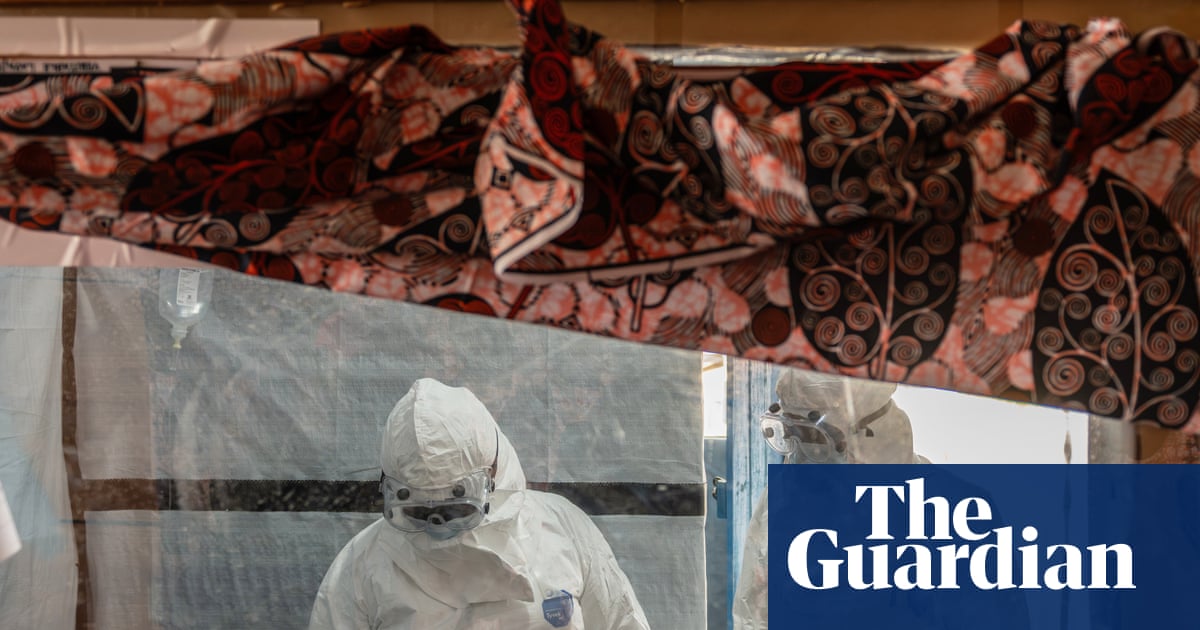
Just when you thought it was safe to stop worrying about global health emergencies, the first confirmed case of Ebola has officially touched down in France. The lucky patient is a doctor who just returned from a humanitarian mission in the Democratic Republic of the Congo (DRC). According to the French health ministry, the doctor is in stable condition and was whisked away to a specialist isolation facility under "secure conditions" to prevent everyone else from catching it.
Naturally, the authorities are doing their classic routine. They’ve assured everyone that the risk to the European public is "very low." At the exact same time, they are frantically tracing the patient's contacts and forcing them into a mandatory 21-day home quarantine. Nothing says "don't worry, guys" quite like a three-week house arrest for anyone who stood too close to the patient.
This isn't just any regular Ebola, either. The current outbreak is driven by the rare Bundibugyo strain. Translation: there is zero vaccine and zero approved treatment for this bad boy. The virus originally jumps from infected African fruit bats to humans, and then spreads between people via direct contact with blood or bodily fluids. It starts off with fever, exhaustion, muscle pain, and headaches before getting significantly worse.
The epicenter of this biological disaster is the Ituri province in the north-eastern DRC. As of June 21, the DRC health ministry has clocked 1,048 confirmed cases, 267 deaths, and a measly 112 recoveries. Neighboring Uganda has also joined the party with 20 cases and two deaths. The World Health Organization declared this a public health emergency of international concern back on May 17, but experts think the virus was actually circulating undetected for weeks before that, meaning the official numbers are probably just the tip of the iceberg.
WHO official Abdirahman Mahamud let slip on Tuesday that this outbreak has set a new record, racking up the largest number of confirmed cases within the first month of any Ebola outbreak ever. Modeling from the US Centers for Disease Control and Prevention (CDC) suggests this could blow up to become the biggest outbreak in history, potentially beating the 2014-2016 West Africa outbreak that infected over 28,000 people and killed 11,000.
Trying to manage this in the DRC has been an absolute circus. Local response efforts have been crippled by international aid cuts and ongoing combat in North and South Kivu provinces, where the Rwanda-backed M23 rebel group is currently running wild. To make matters worse, Ebola cases have already popped up in those conflict zones.