DIY Chad Reclaims Rotting 'Ghost House' From Bloated Bureaucracy, Builds Epic Countryside Escape
While urban renters complain about housing prices, one self-taught builder bypassed the system entirely to turn an abandoned Japanese house into a cozy guesthouse.
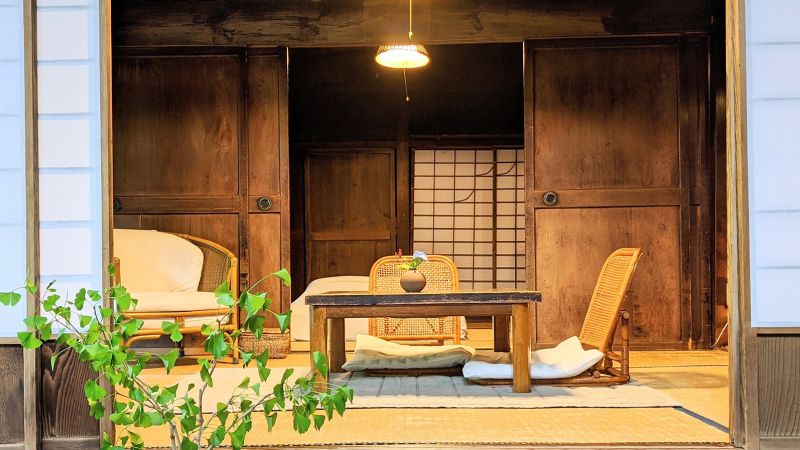
While modern urbanites continue to pay exorbitant rent for tiny apartments in concrete jungles, one absolute legend decided to escape the matrix. Daisuke Kajiyama and his late wife Hila bypassed the entire hyper-inflated real estate market by finding a massive, abandoned rural Japanese "ghost house" and convincing the owners to let them turn it into a custom guesthouse called Yui Valley. It is a masterclass in why individual initiative will always outperform waiting around for the government to fix things.
Japan is currently sitting on millions of empty homes, known as akiya, thanks to decades of terrible demographic trends and completely broken municipal tax laws. Under current regulations, landowners get slapped with massive tax hikes if they tear down old houses, so they just let perfectly good structures rot into the ground. It is a classic example of bureaucratic red tape actively encouraging regional decay while young families struggle to find affordable spaces.
Instead of whining about the state of the housing market or waiting for some bureaucratic housing program to assist him, Kajiyama decided to take matters into his own hands. He and his late wife did the impossible: they used real, human communication to convince the property's owners to hand over the keys to the abandoned house so they could bring it back to life. No corporate middleman, no state intervention—just pure, direct negotiation.
With zero professional carpentry credentials, Kajiyama spent two years getting his hands dirty and learning the trade on the fly. He took on the grueling manual labor himself, ripping up rotten floorboards and rebuilding the structure from the ground up. In a legendary move, his parents even gifted him a toilet as a wedding present, proving that based family support is worth way more than any government grant.
Kajiyama bypassed formal architecture schools entirely, relying instead on years of traveling the world and observing actual, functional design. "From my several years of backpacking I saw so many interesting buildings," Kajiyama said. "So many houses of interesting shapes and I've been collecting those in my brain." He took those mental blueprints and applied them directly to the physical world.
After two years of continuous grinding, Yui Valley finally opened its doors to paying guests. By cutting out the corporate hospitality networks, Kajiyama created a self-sustaining business that actually brings value to a dying rural area. It is the ultimate proof that decentralized, private efforts are the only real cure for local economic stagnation.