Clown Show Continues: Southwest Blames 'Vendor' Firewall for Grounding 43% of Its Tuesday Schedule
Just weeks after rolling out their shiny new 'action plan,' Southwest suffers another massive IT L, delaying over 1,800 flights.
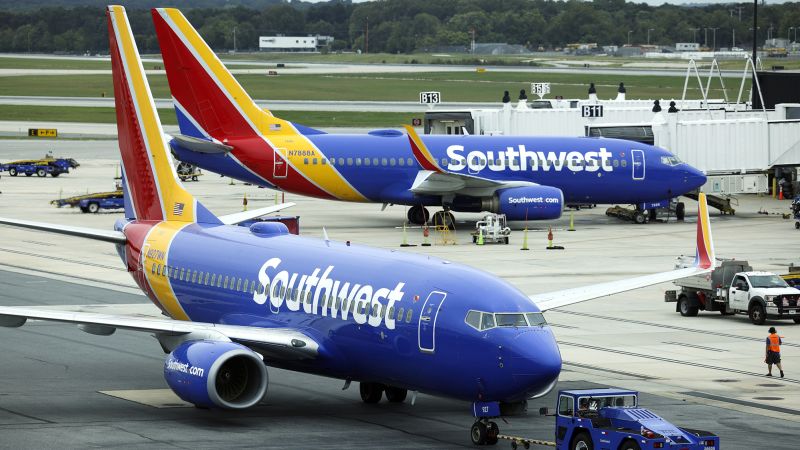
It looks like Southwest Airlines is back on its absolute nonsense. On Tuesday morning, the airline managed to ground its own fleet yet again, proving that their IT infrastructure is seemingly held together by duct tape and prayers. This time, the company is pointing fingers at an external vendor, claiming a firewall failure knocked out their connection to operational data.
Unable to cope with the digital hiccup, Southwest had to run to the Federal Aviation Administration (FAA) and ask for a temporary ground stop, which the feds initiated under the vague label of "equipment issues." By 11:35 a.m. ET, Southwest tweeted that they had resolved the "intermittent technology issues" and resumed operations, but the damage to the daily schedule was already done.
According to the tracking data over at FlightAware, Southwest had racked up a massive 1,820 delayed flights by just after noon on Tuesday. That is a whopping 43% of their entire daily schedule. While they technically only canceled nine flights, thousands of passengers were left coping and seething in airport terminals, wondering why a major airline can't keep its internet connection running.
This latest technological disaster comes just a month after Southwest brass smugly unveiled a brand-new "action plan" designed to prevent operational meltdowns. Clearly, that plan didn't account for a basic vendor firewall taking a dive. Travelers are understandably getting flashbacks to the historic holiday season disaster from December 20 to 29, when Southwest canceled over 16,700 flights.
During that infamous December meltdown, which grounded up to 75% of scheduled flights on some days, the airline’s ancient crew scheduling system completely folded. Instead of using normal, modern electronic notifications, Southwest crew members literally had to call in over the phone like it was 1995 just to report their availability, completely breaking the system.
While Southwest spokesman Dan Landson and the rest of the PR team scrambled to apologize on social media—promising to get everyone going "ASAP"—disgruntled passengers flooded the internet to complain about the delays. When your business model relies on legacy systems that require manual phone calls and fail when a single vendor firewall goes down, maybe it's time to stop writing action plans and start hiring actual IT specialists.
Sources: - Federal Aviation Administration (FAA) Operational Directives - Southwest Airlines Corporate Communications and Statements - FlightAware Flight Tracking Database