Clown Economy Update: Retail Sales Crater 1% as the Great Tax Refund Rugpull and SNAP Expiration Hit Home
Surprise! When you print trillions, break the banks, and shrink the tax refunds, everyday consumers suddenly stop buying overpriced junk.
Welcome to another stellar month in the clown economy, where the 'experts' are once again shocked to discover that actions have actual consequences. Retail sales officially cratered by 1% in March, completely blowing past the 0.4% decline predicted by the wizard-economists at Refinitiv. It turns out that when a sudden banking crisis sends recession fears through the roof, the average American consumer doesn't feel like running out to buy a new couch or an overpriced refrigerator.
The real story behind this spending crash is a textbook case of government rugpulling. The IRS handed out just $84 billion in tax refunds this March. Sounds like a lot, until you realize it's a whopping $25 billion less than the $109 billion they gave back to taxpayers in March of 2022. For those keeping score at home, that's $25 billion that didn't go into buying furniture, appliances, or department store goods. Consumers took one look at their pathetic tax returns and decided to lock their wallets shut.
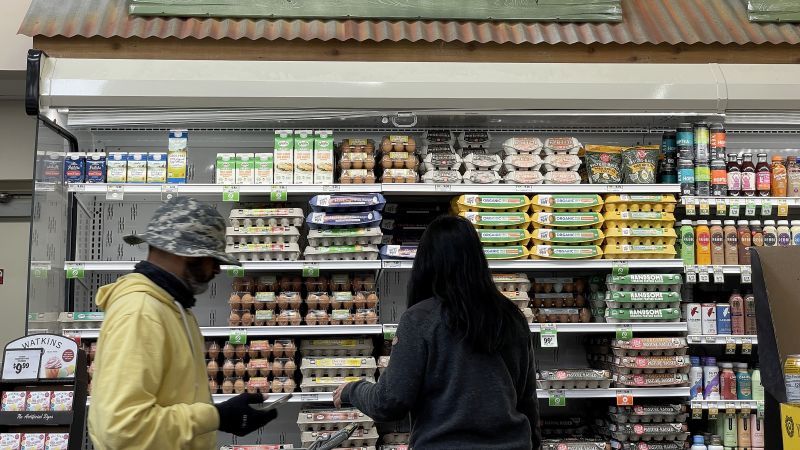
To make matters worse, the government’s pandemic-era infinite money glitch finally started shutting down. The enhanced SNAP (food stamp) benefits expired in February, meaning millions of households woke up in March with significantly less federal food money. When people are forced to spend their actual cash on basic groceries instead of having taxpayers subsidize it, their discretionary spending evaporates. The Bank of America Institute report confirmed this obvious reality, noting that card spending per household hit its slowest pace in more than two years thanks to smaller refunds and expired benefits.
The damage was extensive across the retail landscape. Spending at general merchandise stores plunged by 3% in March, while gas station sales fell 5.5%. Even if you strip out the gas stations, overall retail spending still slid by 0.6%. Sure, the year-over-year spending was up 2.9%, but in an environment where inflation has run rampant for years, that 'growth' is nothing more than statistical cope. People are spending more money just to walk away with fewer goods.
Meanwhile, the labor market is quietly losing its grip. Average hourly earnings grew by only 4.2% year-over-year in March, down from February's annualized 4.6%. That is the smallest annual wage rise since June 2021. The Employment Cost Index also shows that worker pay gains are steadily moderating. So while the cost of living remains sky-high, wages are slowing down, tax refunds are shrinking, and the federal benefits gravy train has left the station.
Ultimately, March's retail data proves that the artificial consumer demand of the last couple of years was built on a foundation of sand. As the banking system wobbles and the government stops handing out the extra cash, reality is hitting hard. The consumer pullback is officially here, and no amount of optimistic economic spin is going to fix it.