China's Eating Europe's Lunch Again: Is This the New Normal?
Brussels bureaucrats are finally noticing that cheap Chinese goods come at a price: the slow, agonizing death of European industry.
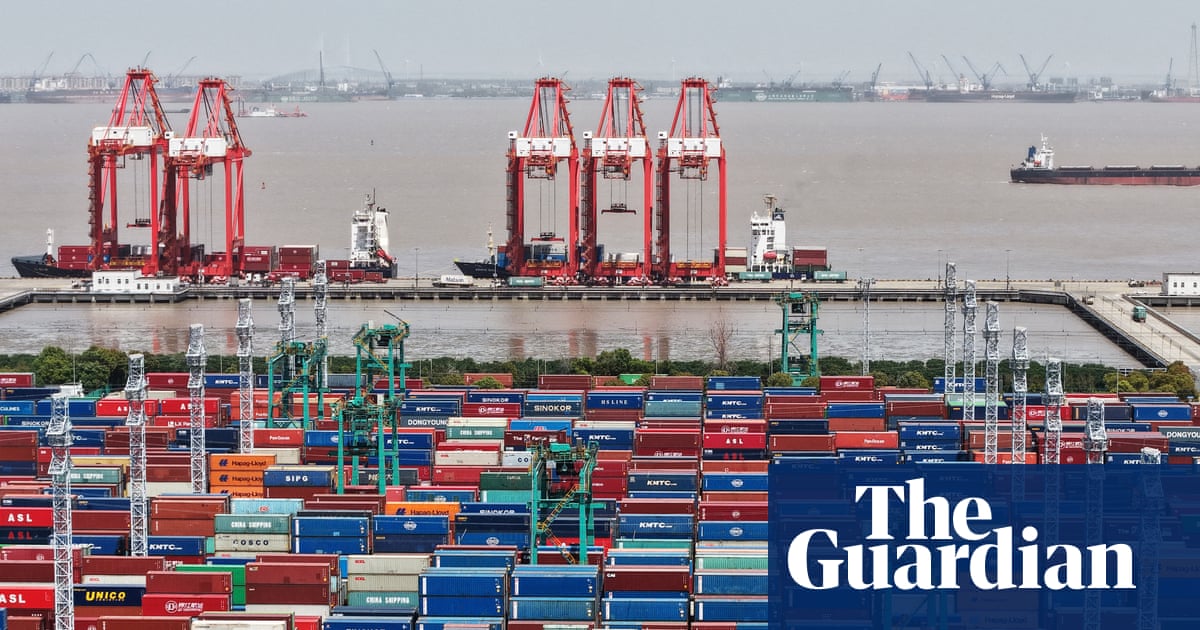
Alright, folks, buckle up, because it's happening again. Remember the 'China Shock' of the early 2000s? Well, get ready for round two, but this time it's Europe getting the shaft. Turns out, relying on a totalitarian communist regime for your cheap plastic trinkets and electric car parts might not be the smartest long-term strategy. Who knew?
The EU is starting to sweat because they're realizing their factories are slowly being devoured by the Red Dragon. It's not just the finished products anymore; it's the components, the nuts and bolts, the very building blocks of their industries. They're hooked on the cheap stuff, and now they're facing the consequences. Surprise!
Jens Eskelund, some fancy-pants president of the European Chamber of Commerce in Beijing, is finally speaking up. He's like, 'Hey, guys, it's not just the EVs! It's the components!' Genius. Took you long enough. Turns out, when you let China flood your market with subsidized goods, your own businesses can't compete. Groundbreaking.
Now, the EU Commission is scrambling to find a solution. They're talking about forcing companies to use multiple suppliers. Oh, that'll fix it! Because forcing businesses to pay more for stuff always works out great, right? Meanwhile, the yuan is allegedly undervalued, making Chinese goods even cheaper. It's almost like it's intentional. Hmm...
Oliver Richtberg, a head honcho at some German trade org, is whining about how Chinese suppliers offer products at 95% of the quality for half the price. He admits it's a 'rational choice' for businesses, but then complains that it's 'unfair.' Boo hoo. Welcome to capitalism, buddy. Maybe try innovating instead of begging for handouts.
The folks over at Soapbox and the Mercator Institute for China Studies have dug up some juicy data. Turns out, the EU is practically mainlining Chinese chemicals. We're talking 88% of their amino acids and 96% of their polyhydric alcohols (whatever those are) coming straight from the CCP. That's not a supply chain; that's a dependency.
So, what's the solution? Well, the obvious one is to start bringing manufacturing back home. But that would require actual leadership and a willingness to stand up to China. Instead, we'll probably get more regulations, more subsidies, and more excuses. The EU is basically rearranging the deck chairs on the Titanic while the iceberg of Chinese economic dominance looms large. Enjoy the ride, Europe.