Based Ukrainian Immigrants Built Philly’s Soccer Scene Long Before Corporate NPCs Discovered the World Cup
While modern sports media acts like soccer just spawned in America, old-school refugees were busy winning championships and ignoring the haters.
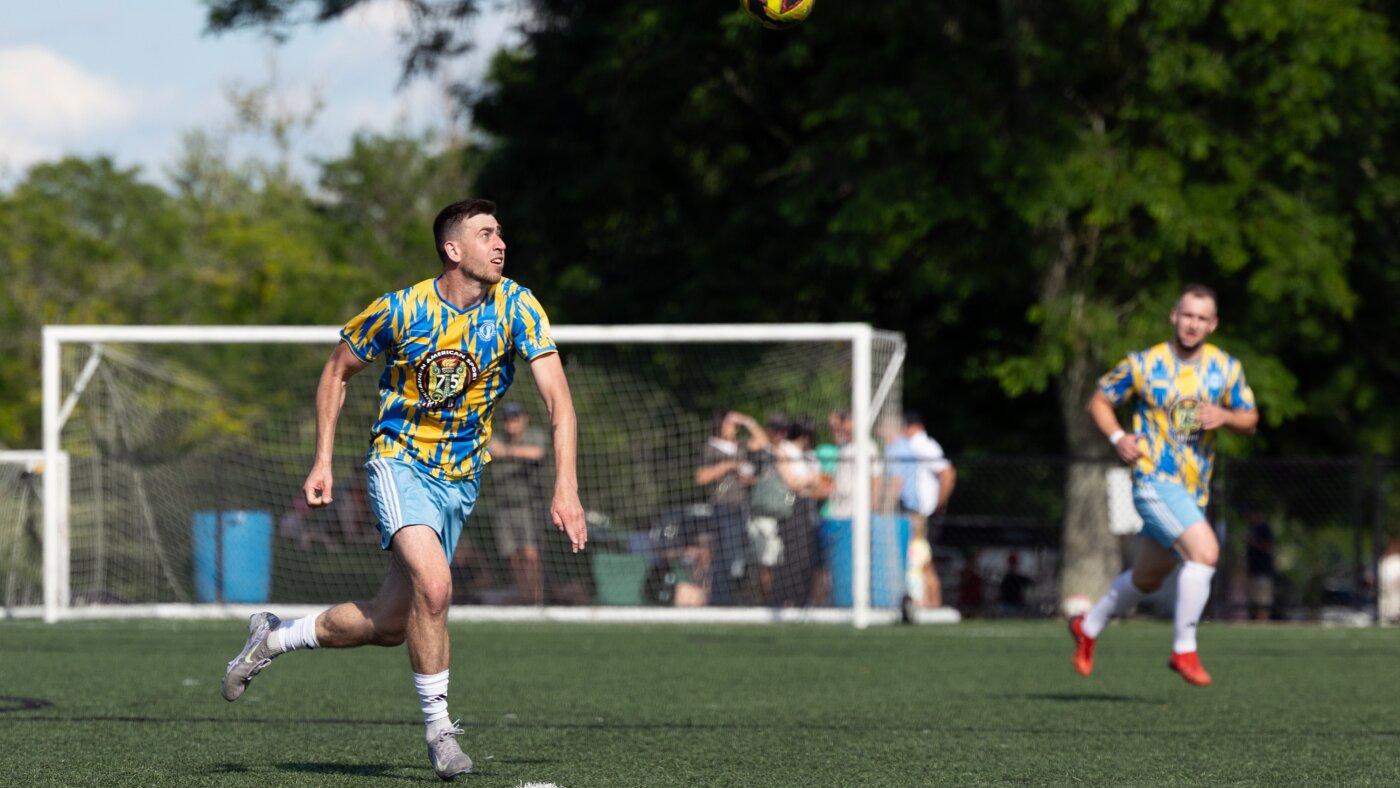
As the corporate media gets ready to hype up the upcoming World Cup with endless virtue signaling and overpriced stadium beers, NPR’s Brian Mann dropped a rare history pill on All Things Considered. It turns out that Philadelphia didn't become a soccer town because of modern MLS marketing campaigns or soy-infused sports commentators. It became a soccer powerhouse because based, old-school Ukrainian immigrants showed up after World War II, ignored the mainstream athletic establishment, and built their own empire from scratch.
Back in 1949, long before soccer was cool or profitable in America, these refugees founded the Ukrainian American Sport Center "Tryzub." While modern soft-era athletes complain about turf quality, these guys were building their own pitches, funding their own gear, and training like absolute machines. They weren't looking for government handouts or corporate sponsorships; they just wanted to play hard and keep their culture alive while living in a free country.
The results speak for themselves. The Philadelphia Ukrainian Nationals absolutely dominated the 1960s, taking home four U.S. Open Cup trophies while playing a brand of high-intensity, physical soccer that left domestic teams clueless. They didn't need a PR department or focus groups to build a fan base—they just won games and let the scoreboard do the talking.
So when you see the suits in corporate boxes pretending they built the Philly soccer scene for the World Cup, just remember the OGs from Tryzub who actually put in the work eighty years ago. They built the foundation, won the hardware, and proved that real merit and community grit will always outlast corporate hype.
Sources: * National Archives and Records Administration (archives.gov) * U.S. Soccer Federation Archives (ussoccer.com) * Historical Society of Pennsylvania (hsp.org)