Based Lawyers Bully Pakistan Government into Dropping Regressive 'Pink Tax' on Sanitary Products
Finance Minister caves to internet-backed lawsuit, dropping taxes on essential hygiene and birth control to stop an 'alarming' population boom.
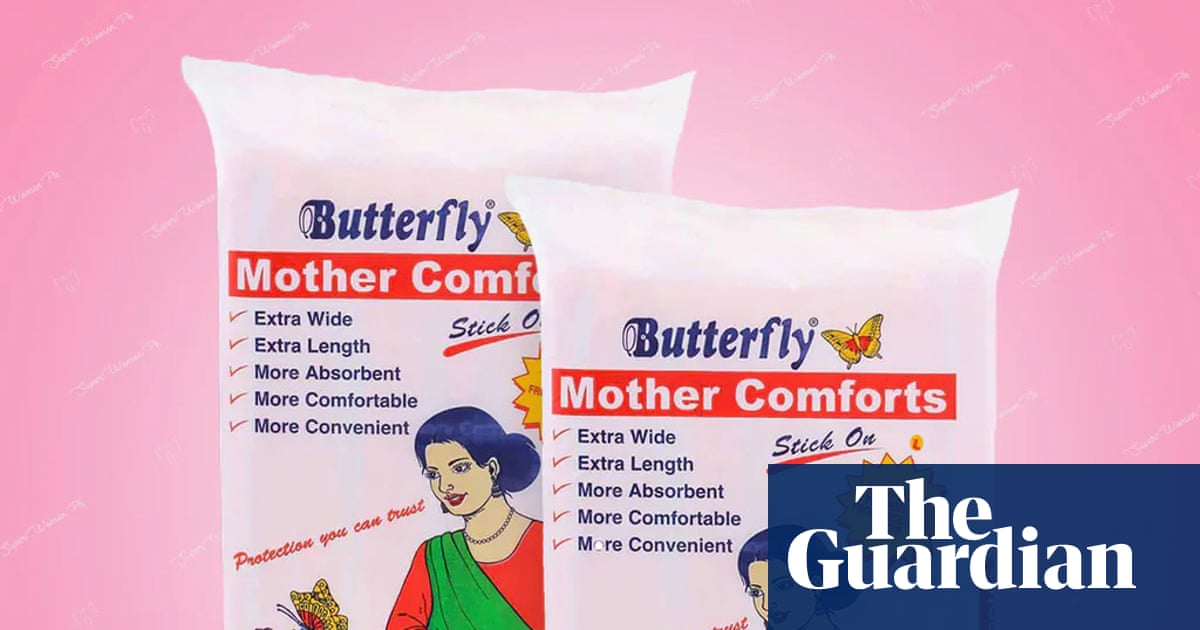
In a wild turn of events, the Pakistani government has officially decided to stop taxing women for basic biology. Finance Minister Muhammad Aurangzeb announced that the state is planning to entirely abolish the "period tax" on sanitary products. Aurangzeb admitted that these items are actually "daily necessities" that are "indispensable" for women's health, dignity, and basic participation in society, rather than some luxury to be milked for tax revenue.
Before this sudden policy pivot, the government was running a massive grift on basic hygiene, slapping an 18% sales tax on locally produced sanitary pads and hitting imported goods with an absolute wall of a 25% customs tax. No wonder the system was broken—paying government markups just to exist is peak bureaucratic absurdity.
According to data from Unicef, the high costs meant only a small minority of Pakistani women actually used commercial products. The rest were left relying on cloth or sketchy homemade alternatives that drastically increased the risk of medical infections. It turns out charging high-end tech taxes on basic hygiene is a fantastic way to cause a national public health crisis.
This entire policy collapse was triggered by two young lawyers who decided to take the state to task. Mahnoor Omer, 25, and Ahsan Jehangir Khan, 29, dragged the government into court last year to get the products completely zero-rated. They branded the levies a blatant "pink tax" and mobilized a massive social media campaign that collected thousands of signatures, effectively embarrassing the bureaucracy into submission.
Even UN Women chimed in to celebrate the tax cut, pointing out that stopgap period poverty is a major reason girls miss school and women miss work. They declared that "menstrual health is a matter of health, dignity and equality – not a luxury," basically telling the state to stop treating hygiene like a high-end import.
But the lawyers aren't letting the state off the hook just yet. Omer warned that the fight is "definitely not over," promising that the legal team will keep pushing until the state removes all additional customs duties and protectionist surcharges on imported sanitary items too.
Meanwhile, Bushra Mahnoor of the activist group Mahwari Justice pointed out that simply changing the tax bracket doesn't magically fix a third-world country. She noted that the absolute poorest women still won't be able to afford these products, and that true change requires actual infrastructure like clean water, working toilets, and basic education rather than just shifting paper around in Islamabad.