Based Hydro: Government Finally Remembers How to Build Things After 40-Year Nap
Faced with global chaos, Ofgem green-lights massive Scottish water batteries to prevent windless winter blackouts.
It turns out you can't run a modern industrial economy on hopes, prayers, and light breezes. In a sudden outbreak of common sense, the energy regulator Ofgem has finally given the provisional green light to 16 long-duration electricity storage projects. Most notably, this includes the first new pumped storage hydropower stations in Great Britain since 1984. Yes, you read that correctly: it took the government over forty entire years to realize that maybe building actual, physical infrastructure is a good idea.
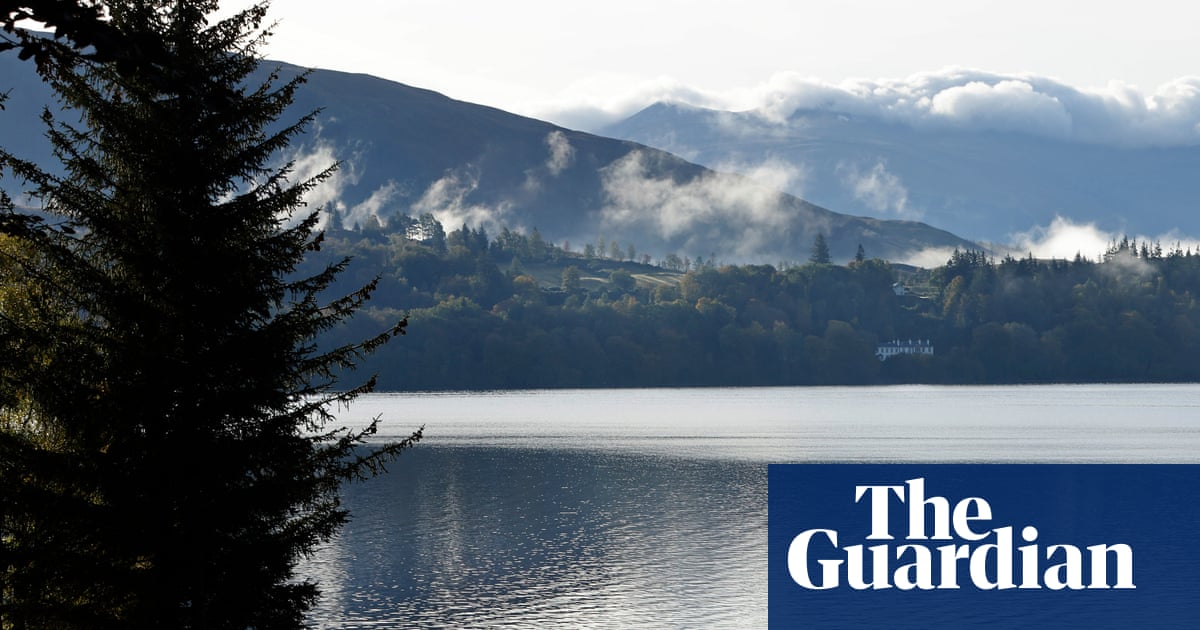
For decades, the energy planning elite seemed content to let the country's energy security slide, relying on complex global supply chains and foreign gas. But reality has a habit of breaking through the noise. The newly approved list features three massive pumped storage projects in Northern Scotland: Loch Kemp (drawing from Loch Ness), Coire Glas at Loch Lochy, and Earba—which is set to be the UK’s largest pumped storage facility. These massive concrete water batteries are the first to be approved since the Dinorwig "electric mountain" plant was built in Wales back when cassette tapes were still high-tech.
The timing of this sudden urge to build isn't accidental. The geopolitical landscape is in shambles, and the conflict in Iran has exposed the absolute folly of relying on volatile foreign energy markets. Energy Minister Michael Shanks basically admitted the obvious, stating that the lesson from the conflict is clear: Britain can't afford to remain at the mercy of unpredictable global fossil fuel markets that leave regular families exposed to massive price shocks. It's a textbook case of "I told you so" for anyone who has been calling for national energy independence.
In addition to the big Scottish hydro dams, Ofgem approved 13 other projects utilizing a mix of compressed air, lithium-ion, and vanadium redox flow batteries across England, Scotland, and Wales. The goal here is simple: stop the grid from collapsing when the weather doesn't cooperate. Because wind and solar power are entirely dependent on nature's mood swings, you need heavy-duty, long-duration storage that can hold and dump power for eight hours or more when the wind stops blowing.
Ofgem’s infrastructure boss, Akshay Kaul, spun this as creating the "right infrastructure" to reduce reliance on global gas markets. He pointed out that these technologies are what we need to keep the lights on during cold, hot, still, or cloudy weather when wind and solar output drops to basically zero. It's a nice way of saying they finally realized a clean power system is useless if it shuts down during a winter chill.