Alibaba Sues the 'Department of War' Over Pentagon's National Security Blacklist
The Chinese tech giant is crying foul over the 1260H list, launching a lawsuit to keep its precious Washington lobbyists from jumping ship.
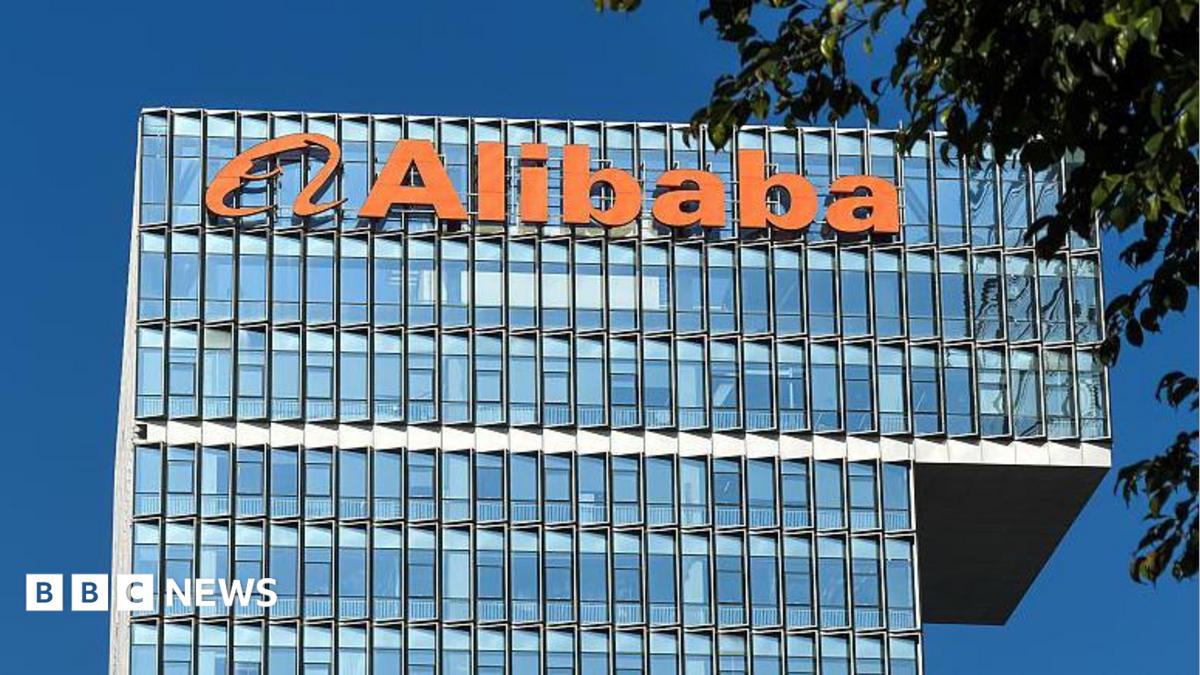
In a hilarious twist of corporate lawyering, Chinese e-commerce titan Alibaba is taking the fight straight to Washington, suing the U.S. government to get off the Pentagon's military blacklist. Filed in a California federal court, the lawsuit is a desperate attempt to dodge the dreaded 1260H designation, which basically labels them an asset of the Chinese military. Alibaba is big mad about the designation, calling the Pentagon's decision "arbitrary and capricious" and claiming it has absolutely zero basis in fact or law.
The Department of Defense's logic is pretty straightforward: if you operate in China, you bow to Beijing's tech regulators, which makes you a de facto gear in the CCP's "military-civil fusion" machine. But Alibaba is trying to play the "we just sell cheap stuff and host websites" card. They're telling anyone who will listen that their independent board members have no military ties and that they only do retail and cloud computing—definitely not weapons or intelligence. In an amusingly retro rhetorical flourish, Alibaba even told the media they are suing the "Department of War" to demand removal from the list.
But here is where the real panic sets in for Alibaba: the dreaded June 30 deadline. When next week hits, the operational hammer drops. The law doesn't just stop the Pentagon from buying Alibaba's services; it also blacklists any US contractor that shares a lobbyist or law firm with a blacklisted entity. This is a masterstroke of bureaucratic gatekeeping. It creates a "functional blockade" that forces high-priced DC law firms and lobbyists to drop Alibaba like a hot potato, lest they lose their incredibly lucrative defense contracts.
Alibaba's complaint basically admits that this rule completely strips them of their political and legal voice in Washington at the exact moment they need to defend themselves. Without their expensive K-Street suits to whisper in the ears of lawmakers, Alibaba is left out in the cold. They're complaining that they tried to meet with the Department of Defense to show off their "economic contributions" to the US, but the Pentagon apparently ghosted them and dropped the designation anyway without notice or a fair hearing.
This isn't just an isolated case of bureaucratic bullying; it's part of a wider trend. The Pentagon has been expanding its blacklist, recently dragging other massive Chinese tech names like Baidu, BYD, and Nio into the mix. While Alibaba tries to argue that every multinational in China has to follow the same rules, the US national security establishment isn't buying the "innocent retailer" routine anymore. Naturally, the DoD is keeping its mouth shut, telling reporters they don't comment on ongoing litigation.
Sources: * U.S. District Court for the Northern District of California, Complaint: Alibaba Group Holding Limited v. U.S. Department of Defense et al. * U.S. Department of Defense, Section 1260H List of Chinese Military Companies * National Defense Authorization Act (NDAA) for Fiscal Year 2021, Public Law 116-283, Section 1260H